
News & updates
Latest developments from our institute
Stay informed about new research results, awards, events, and collaborations across our scientific community.

Successful outcomes of international EBEAM program led by AMOLF
The EU Pathfinder project Electron Beams Enhancing Analytical Microscopy (EBEAM) that was recently completed has received a highly positive review of the European Innovation Council (EIC). EBEAM brought together eight European research institutions and companies, including AMOLF, that develop new concepts and instruments combining spectroscopic analysis with electron microscopy.
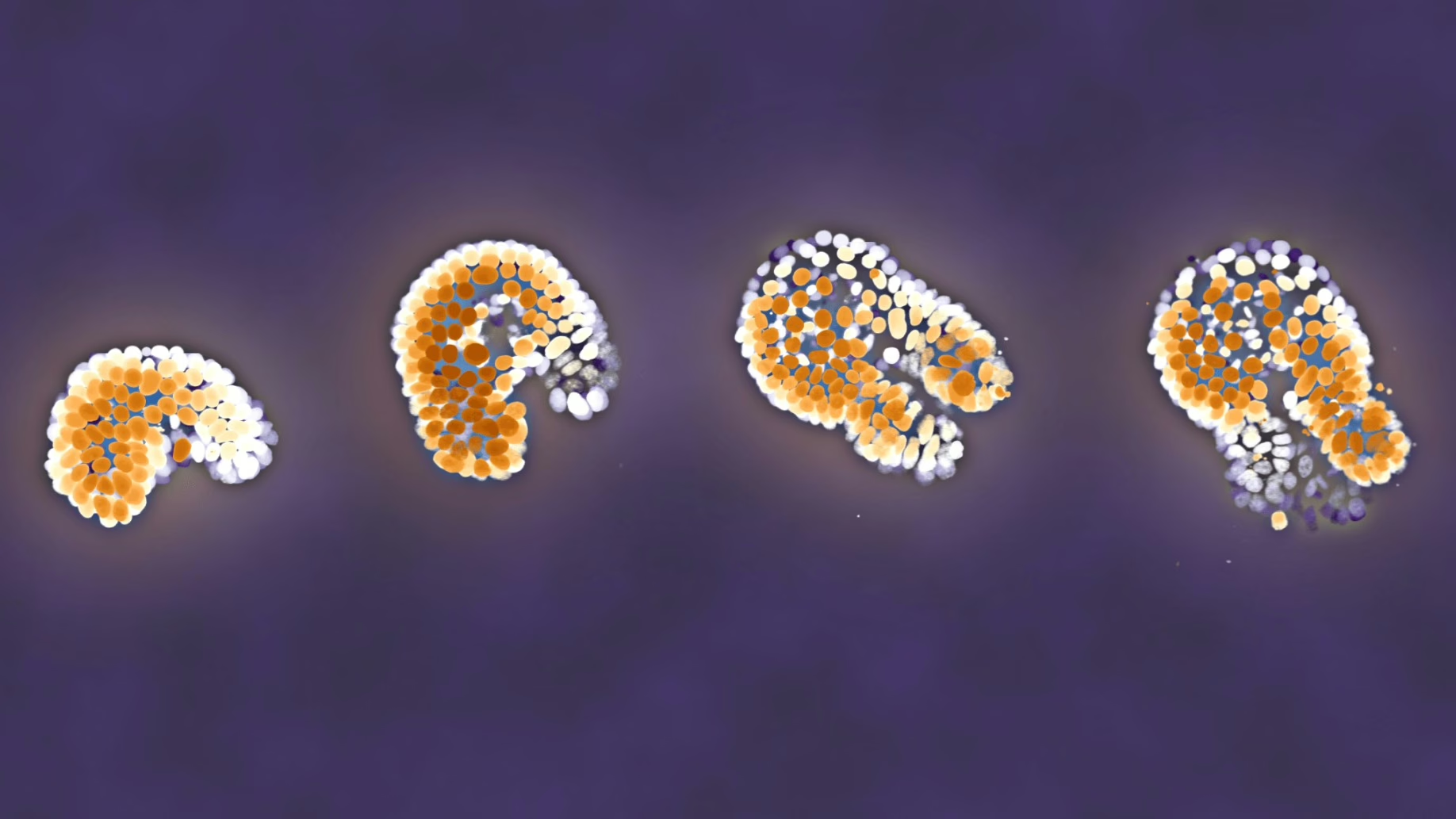
Everything you need to know about organoids
Organoids are instrumental in improving our understanding of processes that are otherwise hidden inside the body. For instance, these small 3D organs can be used to test medicines on tissue grown from a patient’s own cells. AMOLF researchers carry out unique and complex experiments to follow organoids in time. In order to enable other researchers to benefit from their experiences, they now publish their methods in the prestigious journal Nature Protocols.
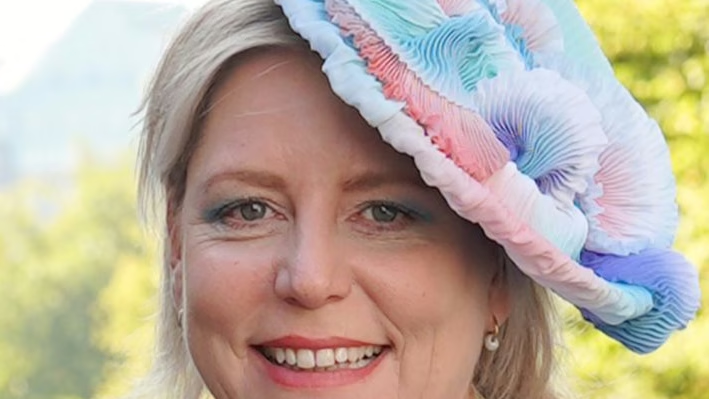
Minister Rianne Letschert wears hat and shoulder ornament inspired by Wim Noorduin’s research
This year at the opening of the parliamentary year (Prinsjesdag) Minister of Education, Culture and Science Rianne Letschert wears a spectacular hat and shoulder ornament. Both of them are inspired by the microscopic structures studied by group leader Wim Noorduin (AMOLF/UvA), which look remarkably like tiny flowers under a microscope. Artist and designer Malou Beemer translated these shapes, normally invisible to the naked eye, into wearable art.
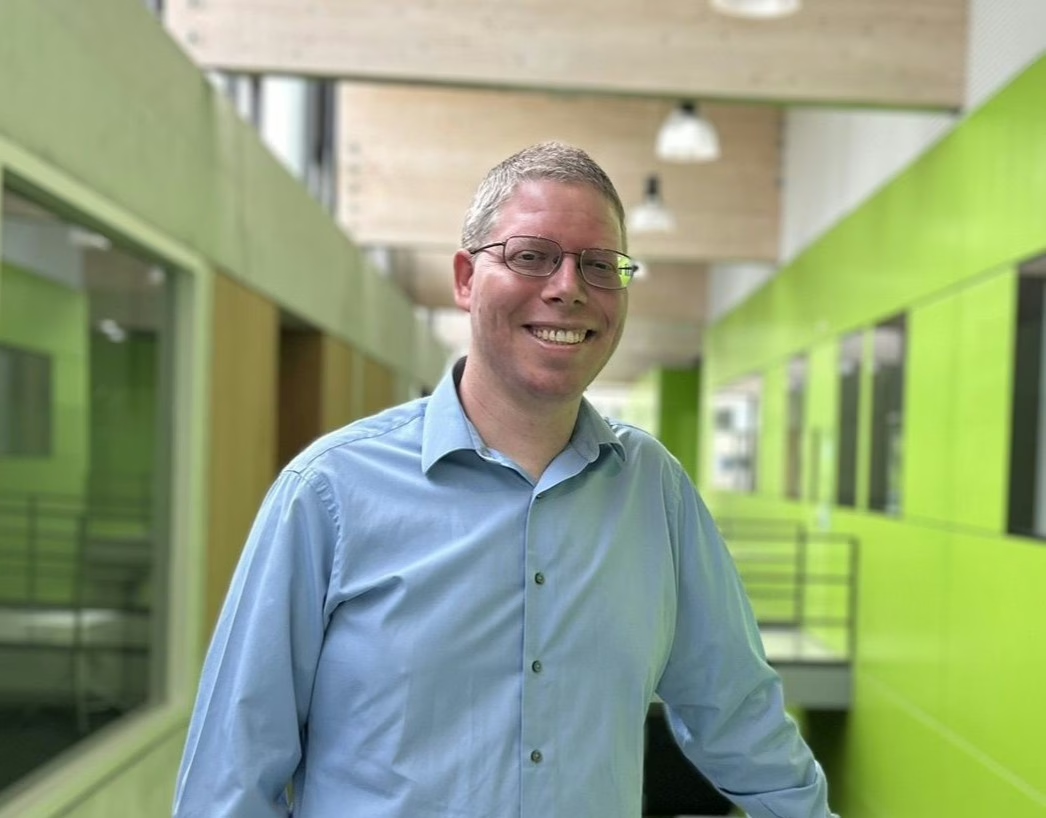
Nachi Stern awarded ERC Starting Grant to explore how matter learns
Why do brains learn, but rocks do not? Could a material one day adapt to its environment the way a living organism does? AMOLF group leader Dr. Nachi Stern has been awarded an ERC Starting Grant to investigate the physical laws of learning, in a project called, “Physical Learning in Dynamical Systems.”
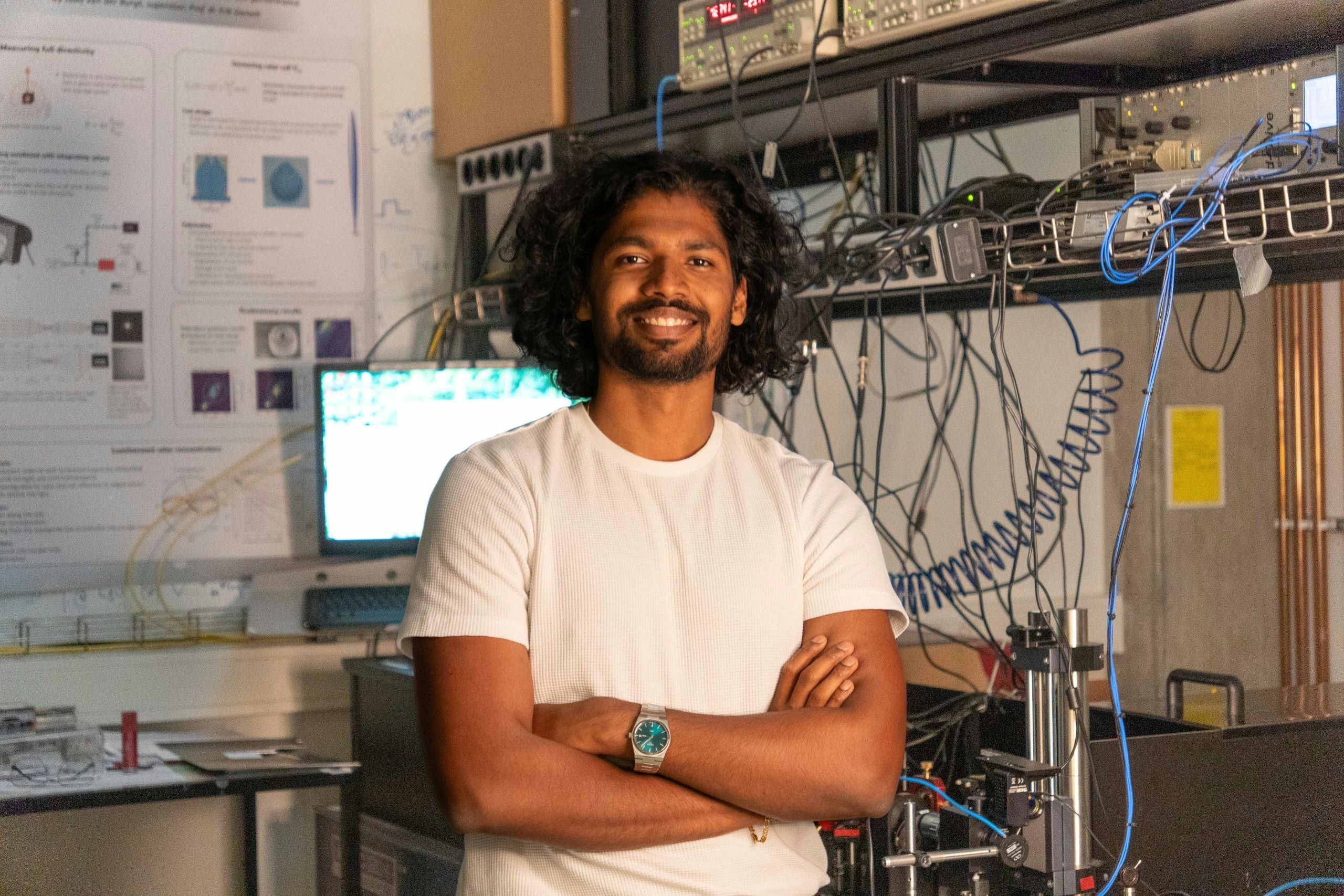
Tiny glass spheres offer a new way to control light
Researchers from the Nanoscale Solar Cells group at AMOLF have developed a new way to control light using tiny glass spheres. The spheres can efficiently capture incoming light and control which color is guided in which direction. This could help make photocatalysis, where light is used to drive chemical reactions, more efficient and ultimately contribute to more sustainable chemical processes. The technique could also be useful for future semiconductor applications. The research was published in ACS Photonics on August 13, 2026.
Huibregtsen prize nomination for lead detection method
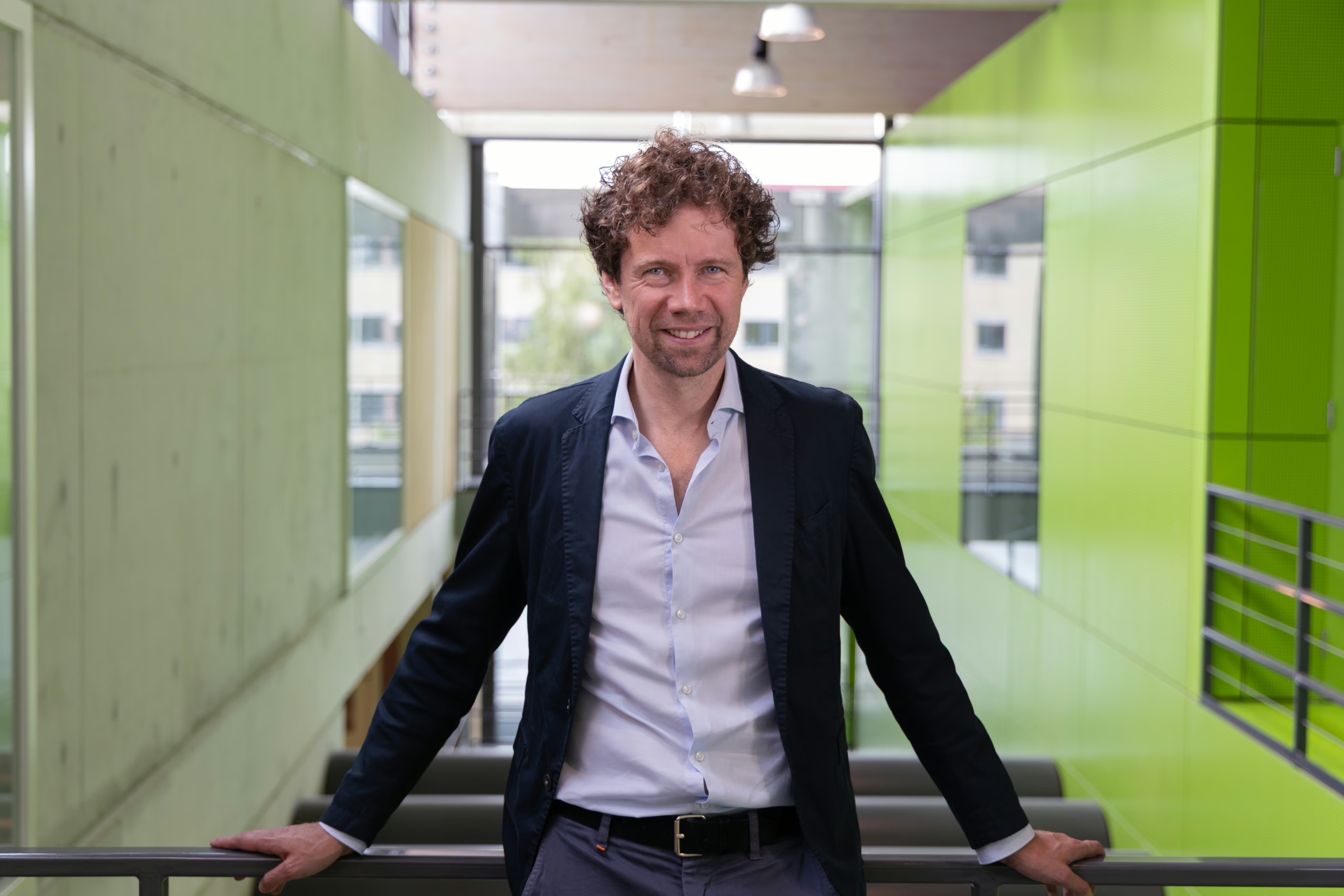
AMOLF group leader Professor Wim Noorduin and his collaborator Professor Arian van Asten (UvA) have been nominated for the Huibregtsen Prize 2026. The winner will be announced at the annual event called ‘Avond van Wetenschap en Maatschappij’ (evening of science and society) on October 8, 2026. The prize recognizes scientists who combine scientific excellence and innovation with particular societal relevance or outreach.
First direct observation of protein recycling: a key process for healthy cells
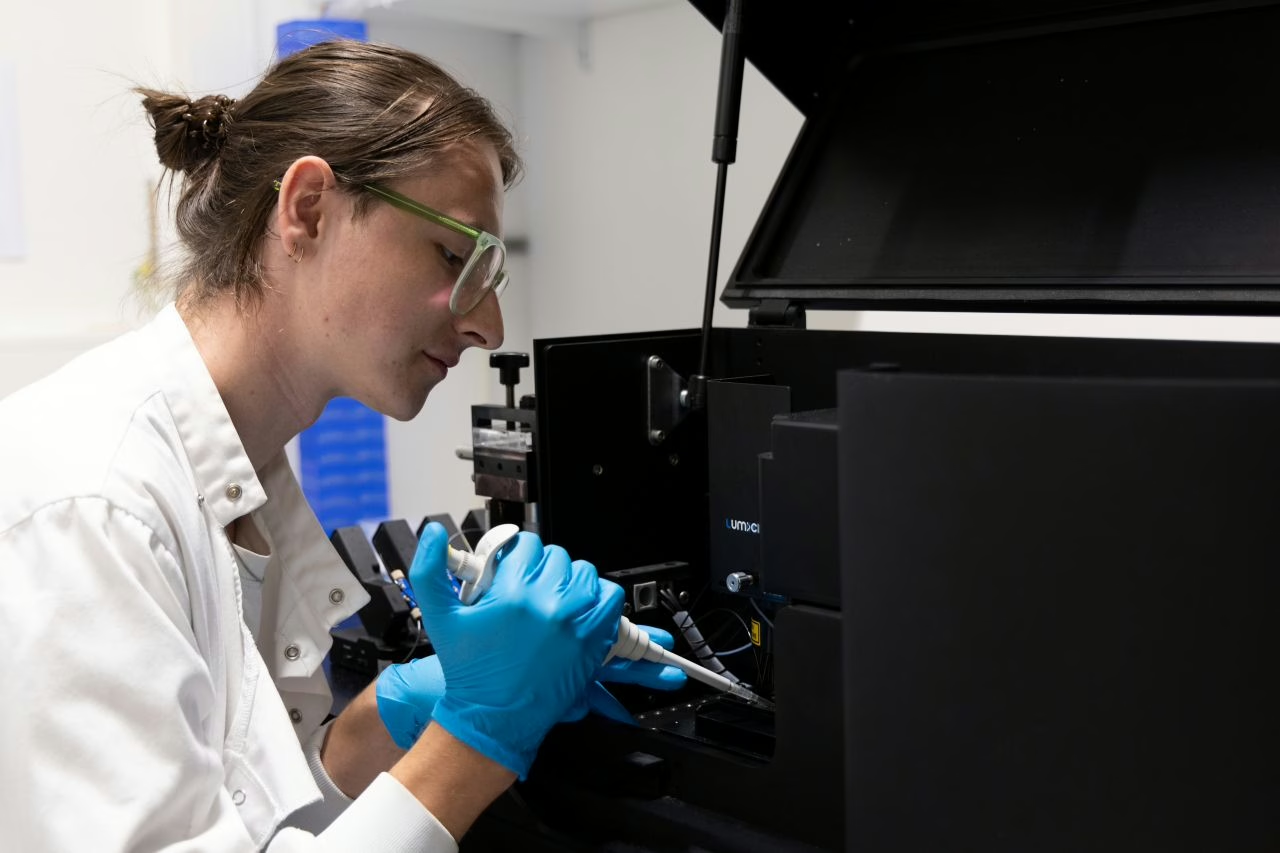
AMOLF researchers report in Nature Communications that they followed in real time how the cellular protein recycling system selects and dismantles proteins. Using single molecule manipulation, they found that the protein recycling system acts as a motor that threads proteins through a central pore. They also discovered energy-driven fluctuations that may help it recognize the correct target, revealing how cells avoid mistakes and prevent diseases such as Alzheimer’s.
Adding a scientific flavor to Zwarte Cross
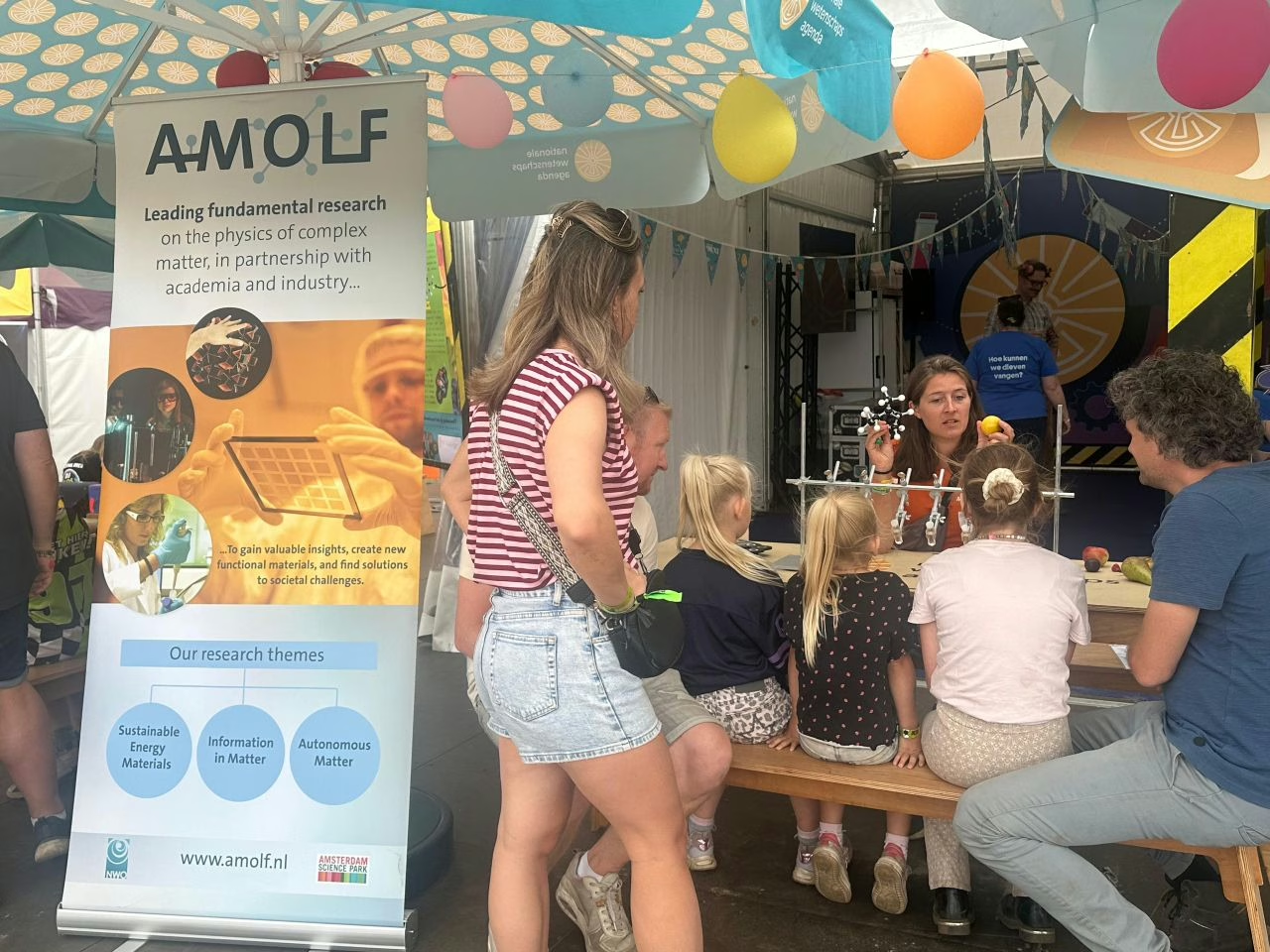
For the first time, AMOLF participated in the Netherlands’ largest summer festival, Zwarte Cross. Together with volunteers from NWO, the AMOLF team introduced children to the fascinating world of molecules. The AMOLF booth was located in the festival’s children’s area, Blagenparadijs, as part of the NWA (National Science Agenda) carried out by NWO.