
News & updates
Latest developments from our institute
Stay informed about new research results, awards, events, and collaborations across our scientific community.
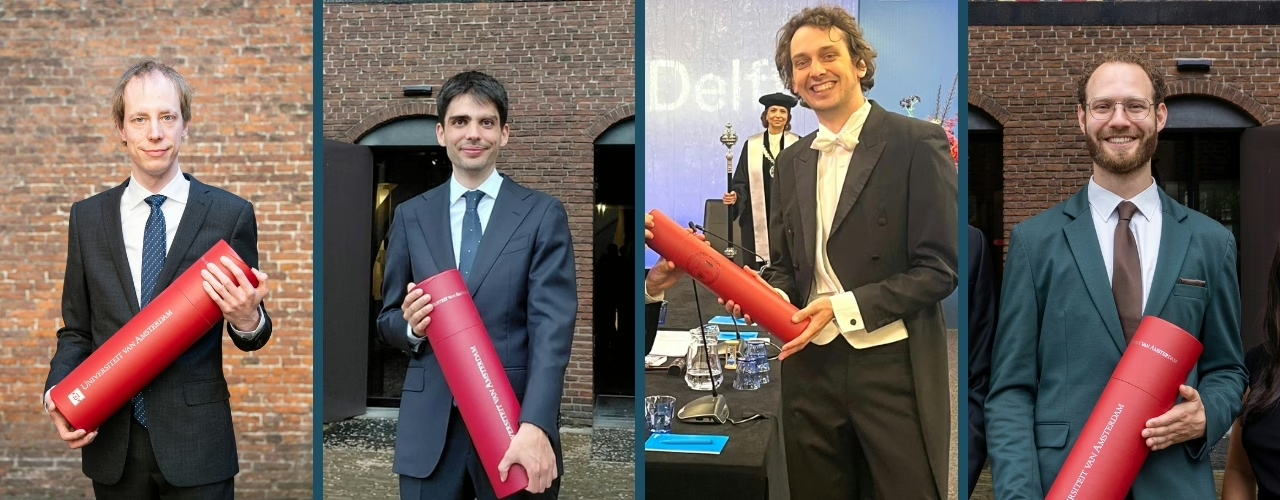
Four PhD candidates close their AMOLF chapter
[caption id="" align="alignnone" width="1280"] Left to right: Sjoerd van Dongen (cum laude), Paul Ducarme, Max Betjes (cum laude), and Mees Dieperink.[/caption] Sjoerd van Dongen (cum laude) At AMOLF, Sjoerd worked…
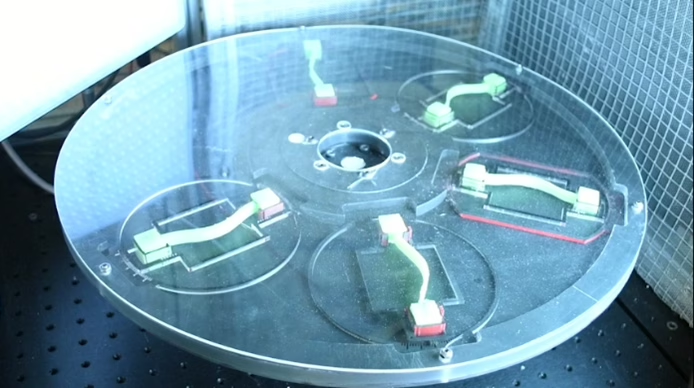
Writing words into smart materials
Researchers at AMOLF, EPFL, and Leiden University have developed a new way to store information in mechanical metamaterials. These are artificial materials that have been engineered to exhibit unique properties. In a paper published in Science Advances on May 6, the team shows how one simple signal can cause a response in multiple mechanical elements (material bits) simultaneously. This extraordinary level of control allows them to write all letters of the alphabet into a mechanical system. The discovery could help create future smart materials, soft robots, and remotely controlled devices.
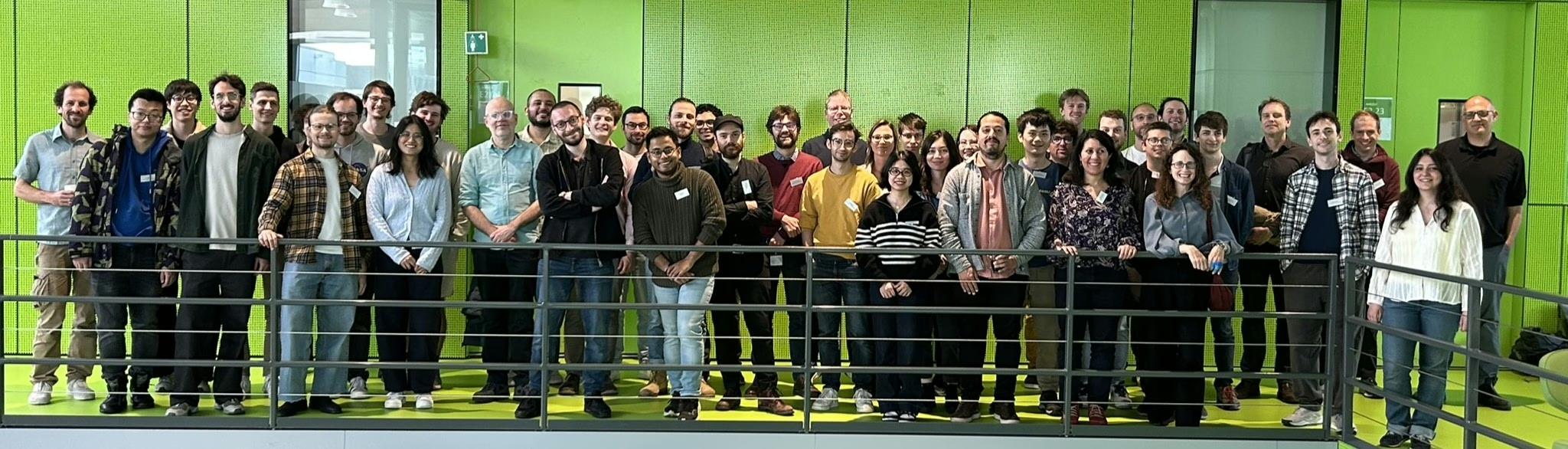
Full house for first Multistable Active Matter symposium
On April 16 and 17, AMOLF organized the first ‘Multistable Active Matter’ symposium. The initiative for this new symposium came from Martin van Hecke (Mechanical Metamaterials), with the aim of starting a discussion about a new direction in the field: the design and understanding of multistable active systems.
Microscopic metamaterials that can shrink and expand on their own
Physicists from AMOLF and Leiden University created the first micro-scale metamaterials that can take on specific shapes without external control. This breakthrough paves the way for smart, self-adapting materials. The research team presented the groundbreaking research into micro-scale metamaterials in Nature on February 25.
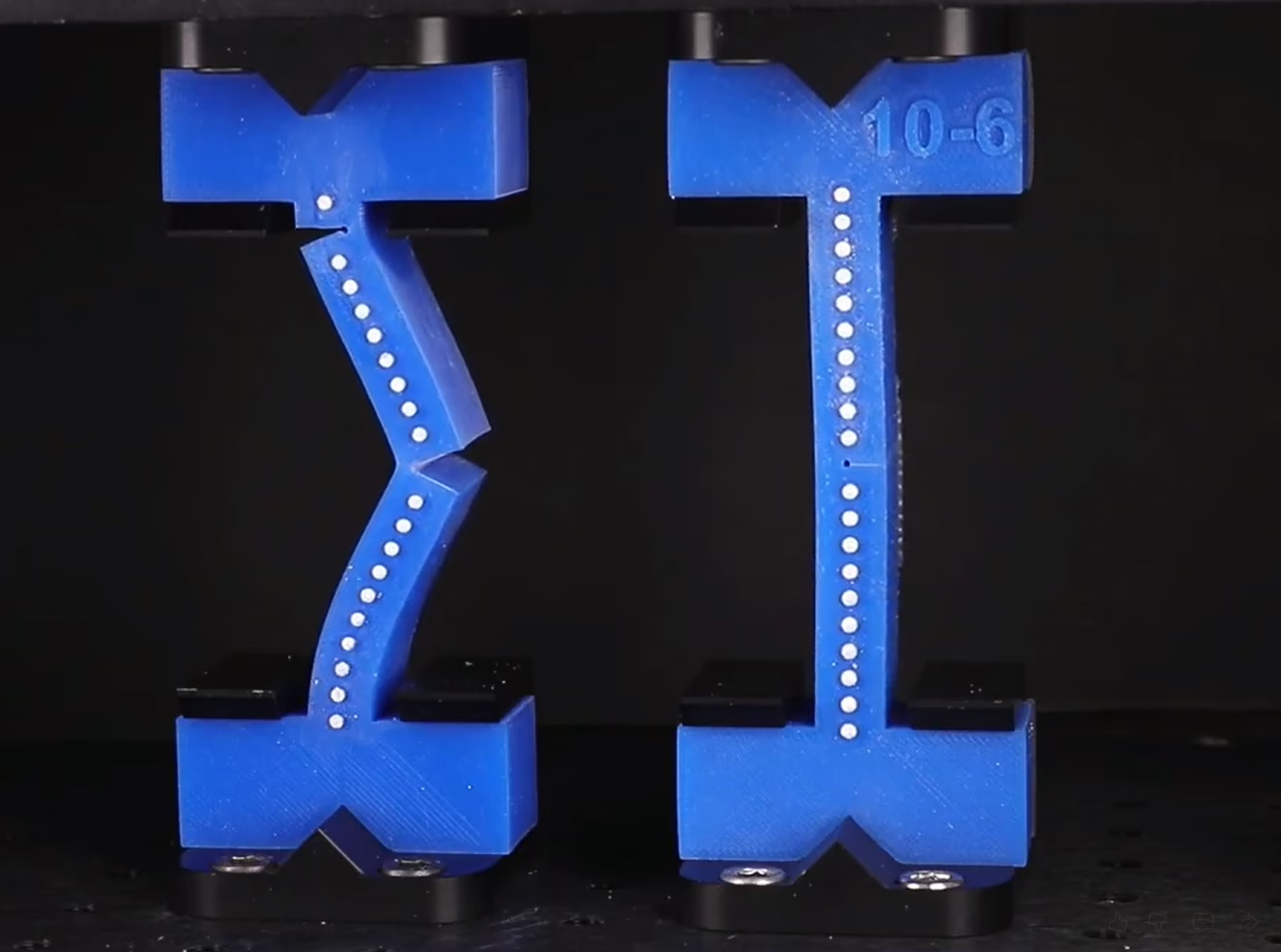
What happens when you cut a beam?
When a slender object, like a card, column or beam, is compressed, it buckles and curves in one of two directions – as described by the scientist Leonhard Euler in 1744. This behavior prompted researchers in the Mechanical Metamaterials group at AMOLF to ask themselves: can we change this? Together with collaborators from Leiden University, they show how partial cuts in beams can fundamentally alter their buckling (deformation) behavior. The researchers published their findings in the journal Science Advances on February 13, 2026.
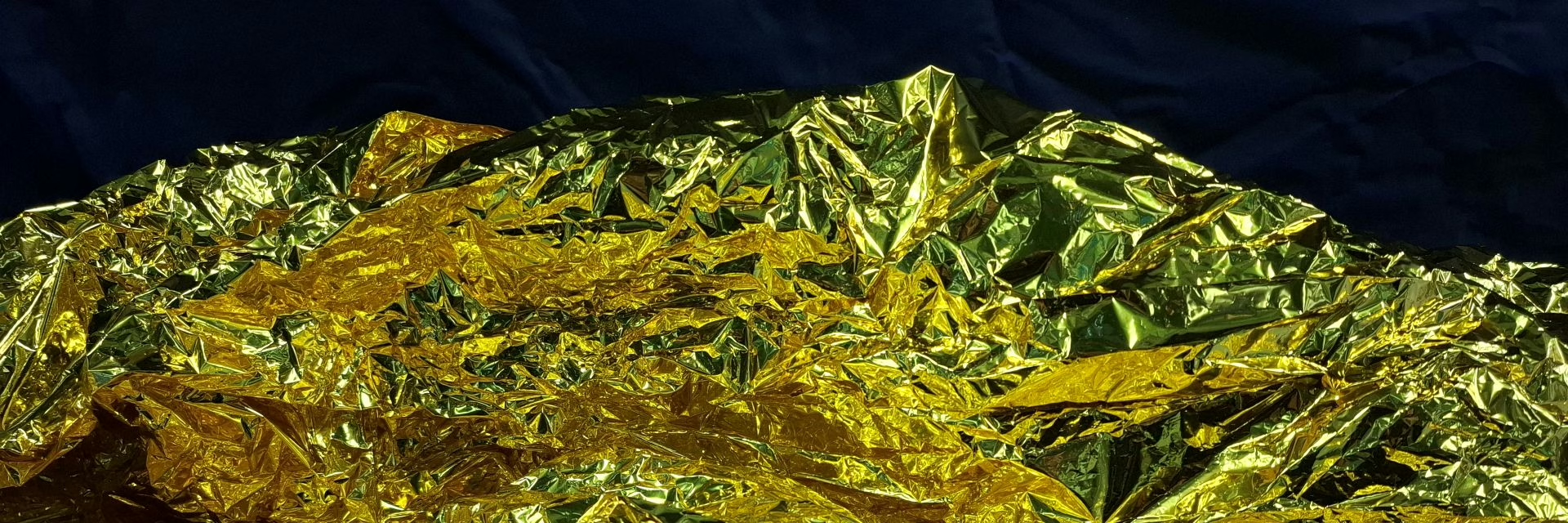
How disordered materials age and what we can learn from that
From the crinkle of a candy wrapper to the squish of a metal kitchen scrubber, disordered materials that lack a regular structure share a surprising secret. Despite their differences, they age in a similar way. This is important knowledge to enable production of more durable products, and it helps to explain why some models – like large AI models – sometimes get stuck. Together with international collaborators, researchers from the Mechanical Metamaterials group present their findings in the journal PNAS on February 18.
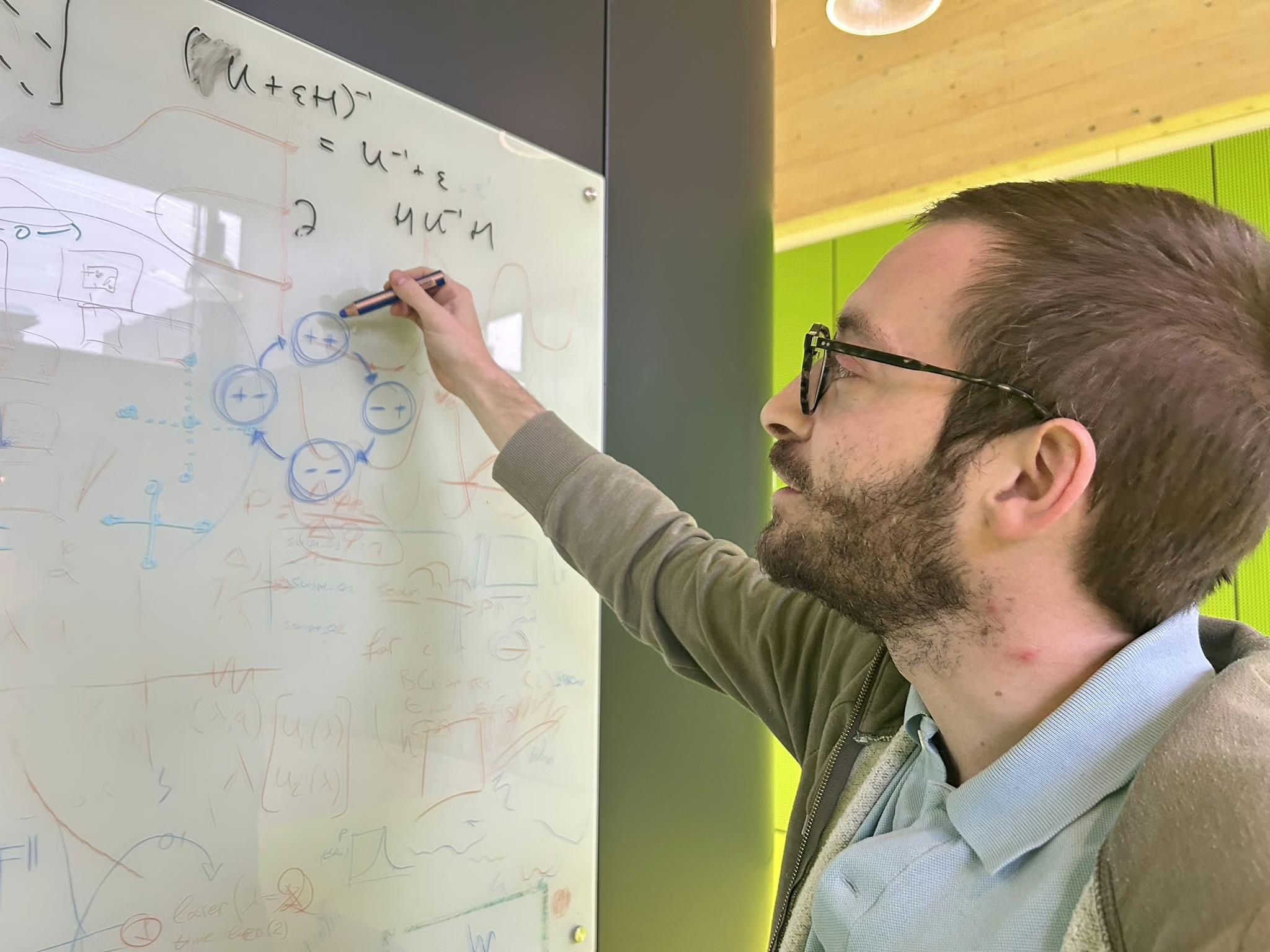
A new view on state switching in materials
AMOLF researchers in the group of Martin van Hecke working on theoretical models for disordered materials, discovered how these systems can start switching between states in unexpected ways. The results open new ways to model materials that show memory effects and could influence fields ranging from soft robotics to biophysics. They published their findings in the journal Physical Review Letters on November 13.
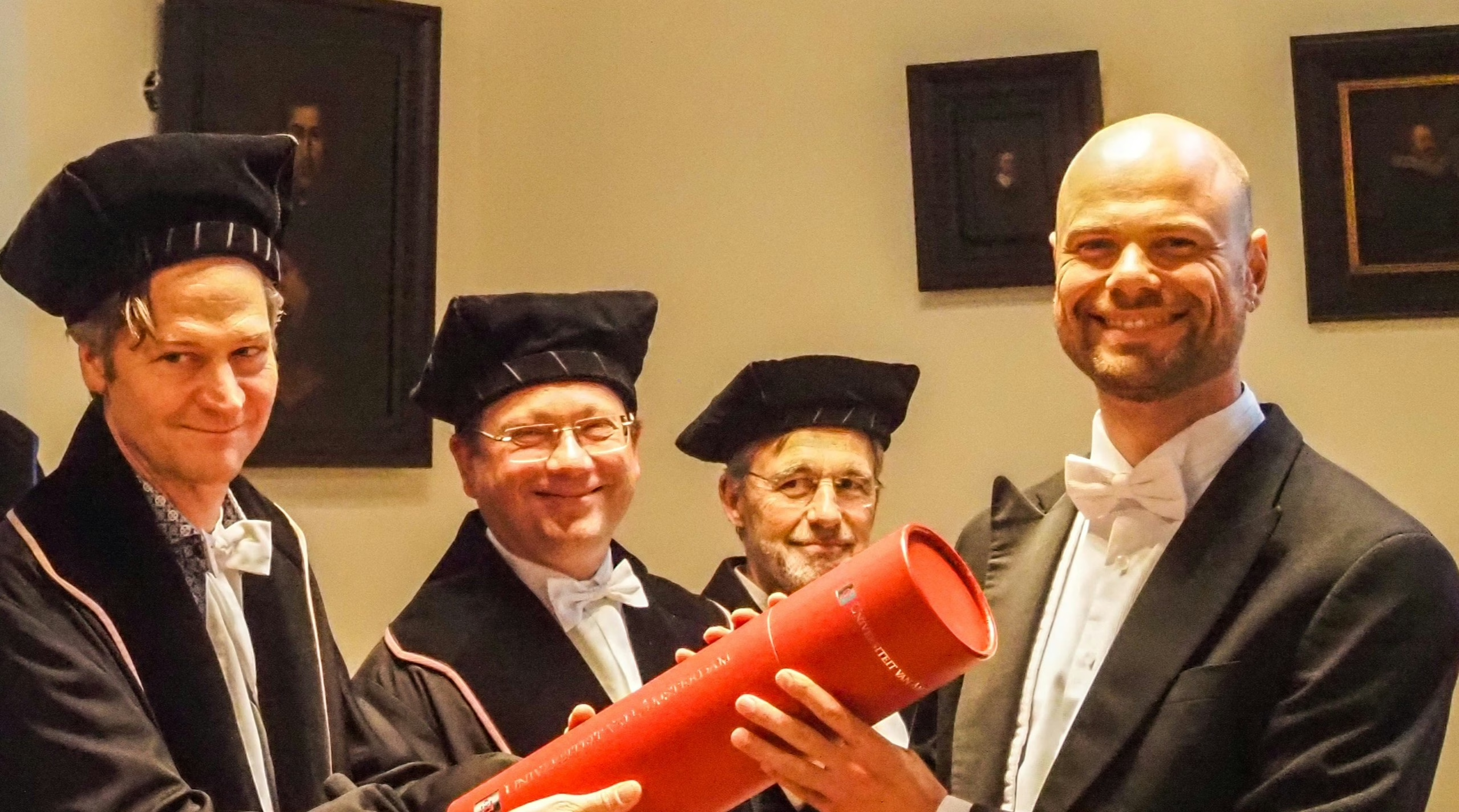
Spring brings many Doctorate Celebrations
Burak Demirbas – Stress-induced protein dynamics and growth arrest in C. elegans during development – May 16thBurak Demirbas with PhD committee and his familyBurak…