
News
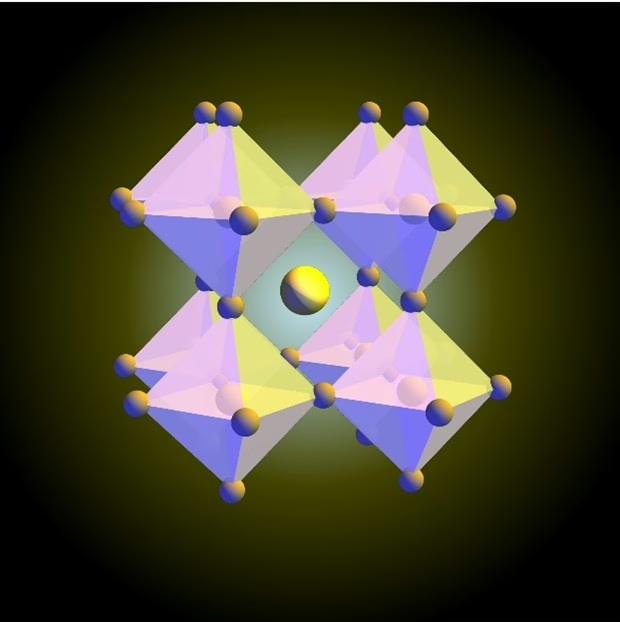
Researchers in the Hybrid Solar Cells group have developed a simple new method to study mobile ions in perovskite solar cells. These ions play a key role in the degradation of the cells, so understanding them is essential to make more stable solar devices.
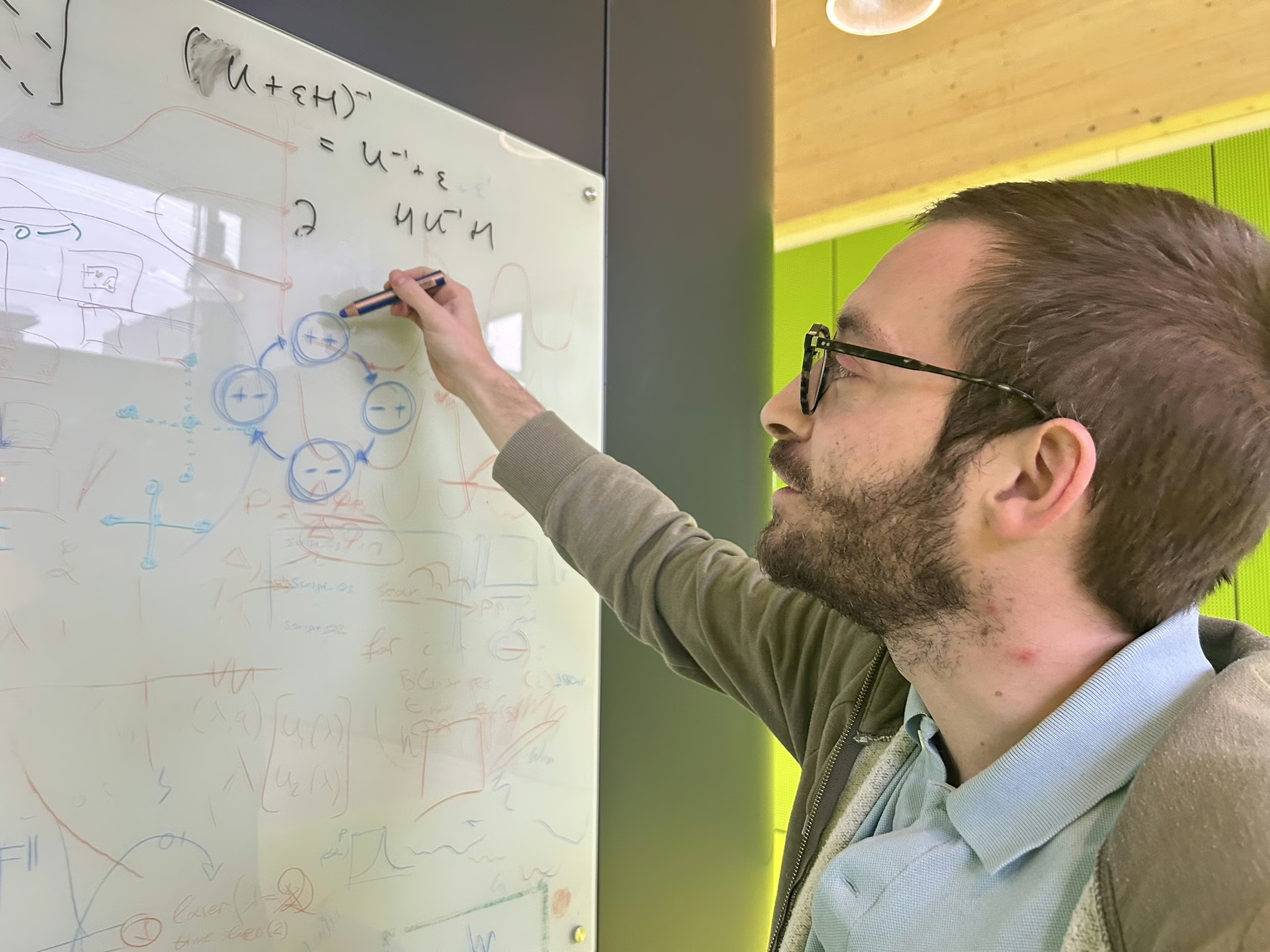
AMOLF researchers in the group of Martin van Hecke working on theoretical models for disordered materials, discovered how these systems can start switching between states in unexpected ways. The results open new ways to model materials that show memory effects and could influence fields ranging from soft robotics to biophysics. They published their findings in the journal Physical Review Letters on November 13.
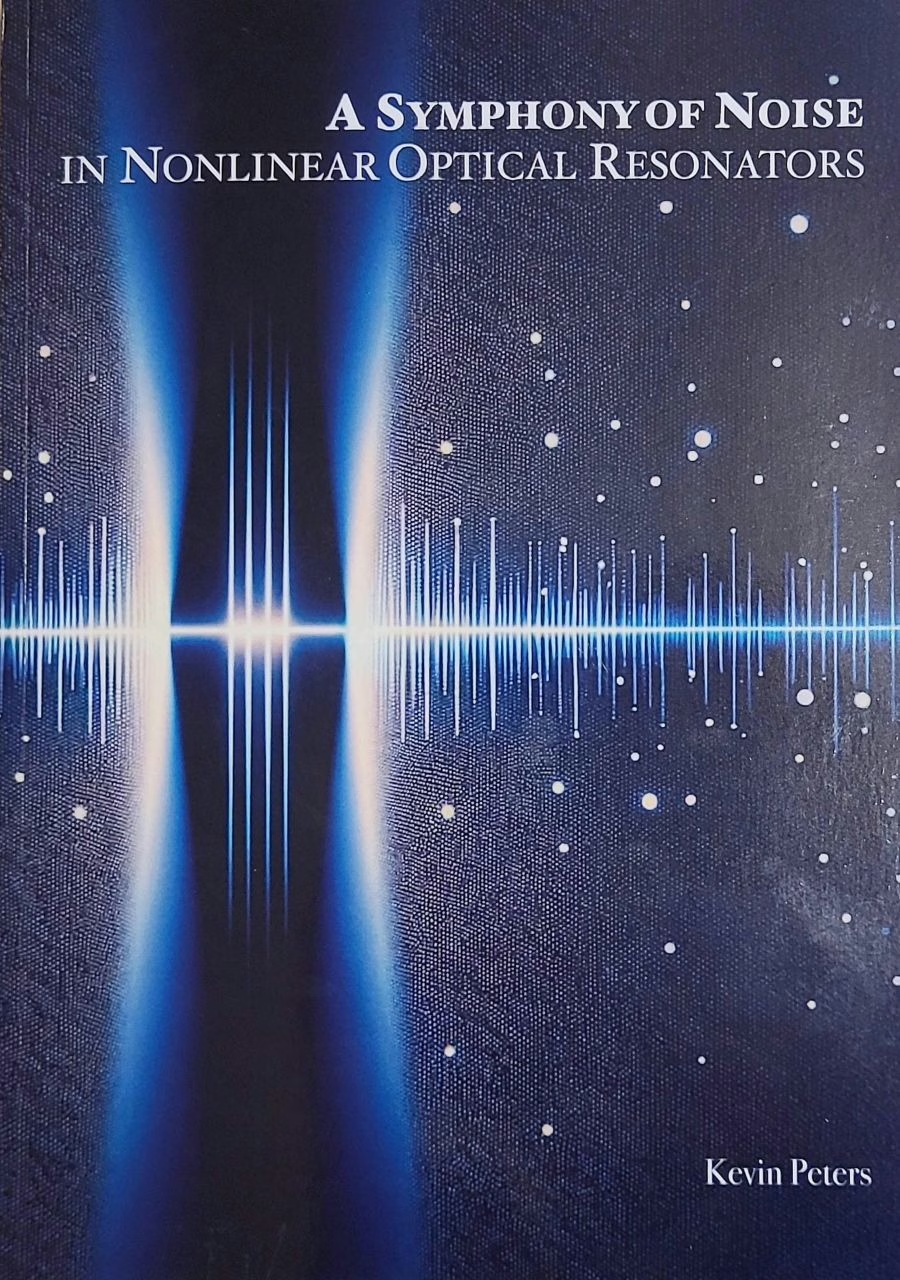
Kevin Peters is the winner of the Ehrenfest-Afanassjewa physics thesis prize 2025. He carried out his research in the group of Said Rodriguez at AMOLF and successfully defended his PhD at Utrecht University on September 4. His thesis, entitled A Symphony of Noise in Nonlinear Optical Resonators, describes his research which combines photonics, nonlinear dynamics, statistical physics, and related fields.
Together with collaborators, AMOLF group leader Femius Koenderink has received funding for the METAPIC project from the Photon Delta call of the Dutch Research Council (NWO).

NWO announced that twelve consortia can start research projects through the Perspectief program. A crucial factor in these projects is their societal and economic impact. One of these projects is the CHAIN consortium, with AMOLF group leader Femius Koenderink as co-applicant. In this consortium, researchers join forces to advance the semiconductor industry. The budget will support six junior researchers in total, including one at AMOLF in the Resonant Nanophotonics group.
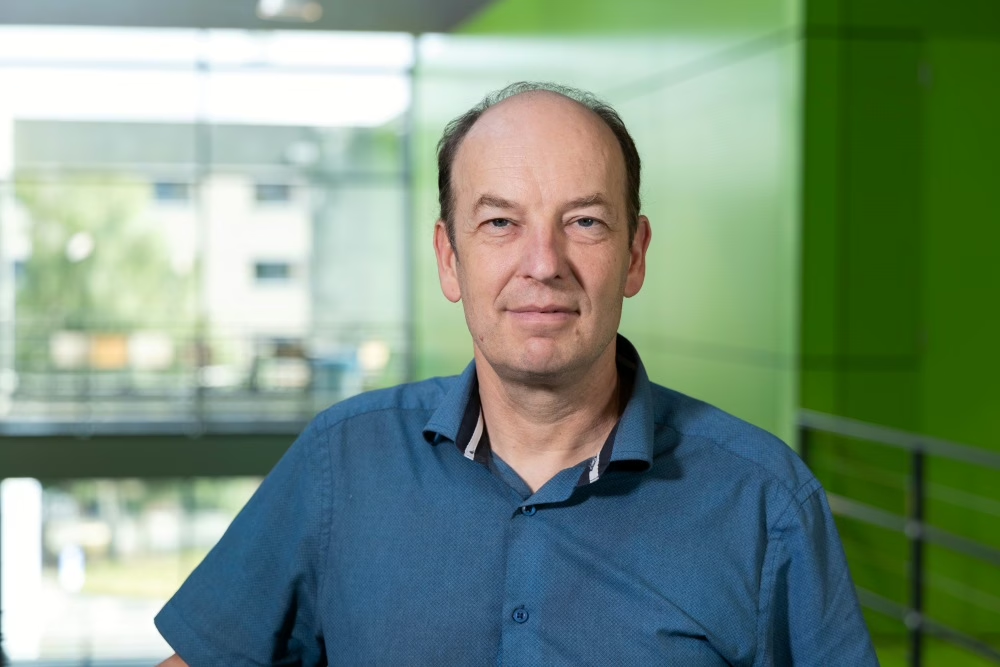
AMOLF-director Huib Bakker has been appointed as new member of the Domain Board Science of the Dutch Research Council.
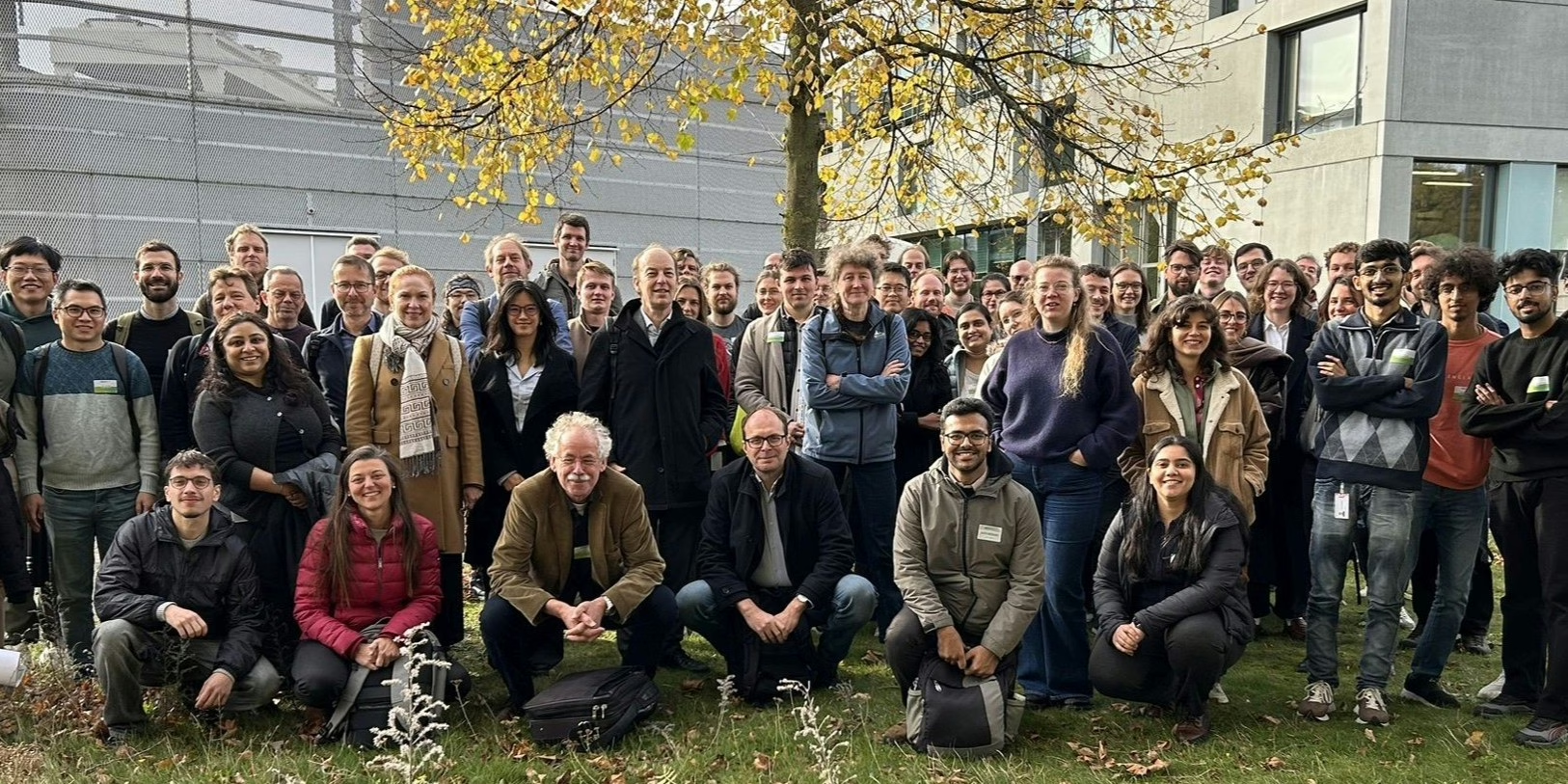
Electrochemists working on nanoscale electrochemical interfaces came together in Amsterdam to share recent findings and explore new collaboration opportunities. The ANION Symposium was the first edition organized by the Advanced Netherlands Institute of Nanoelectrochemistry (ANION), with AMOLF and UvA as co-organizers. The symposium took place on Friday, October 31.
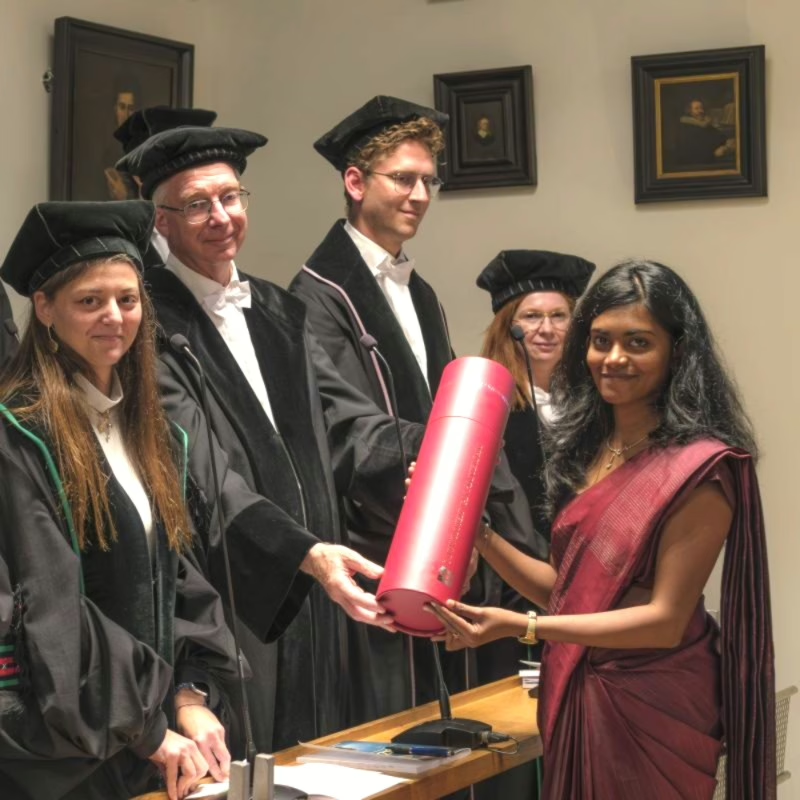
Katharina Till – Cotranslational Folding and Assembly at the Single-Molecule Level – September 18Katharina Till after defending her thesisDuring her doctoral research in the Biophysics group of Sander…
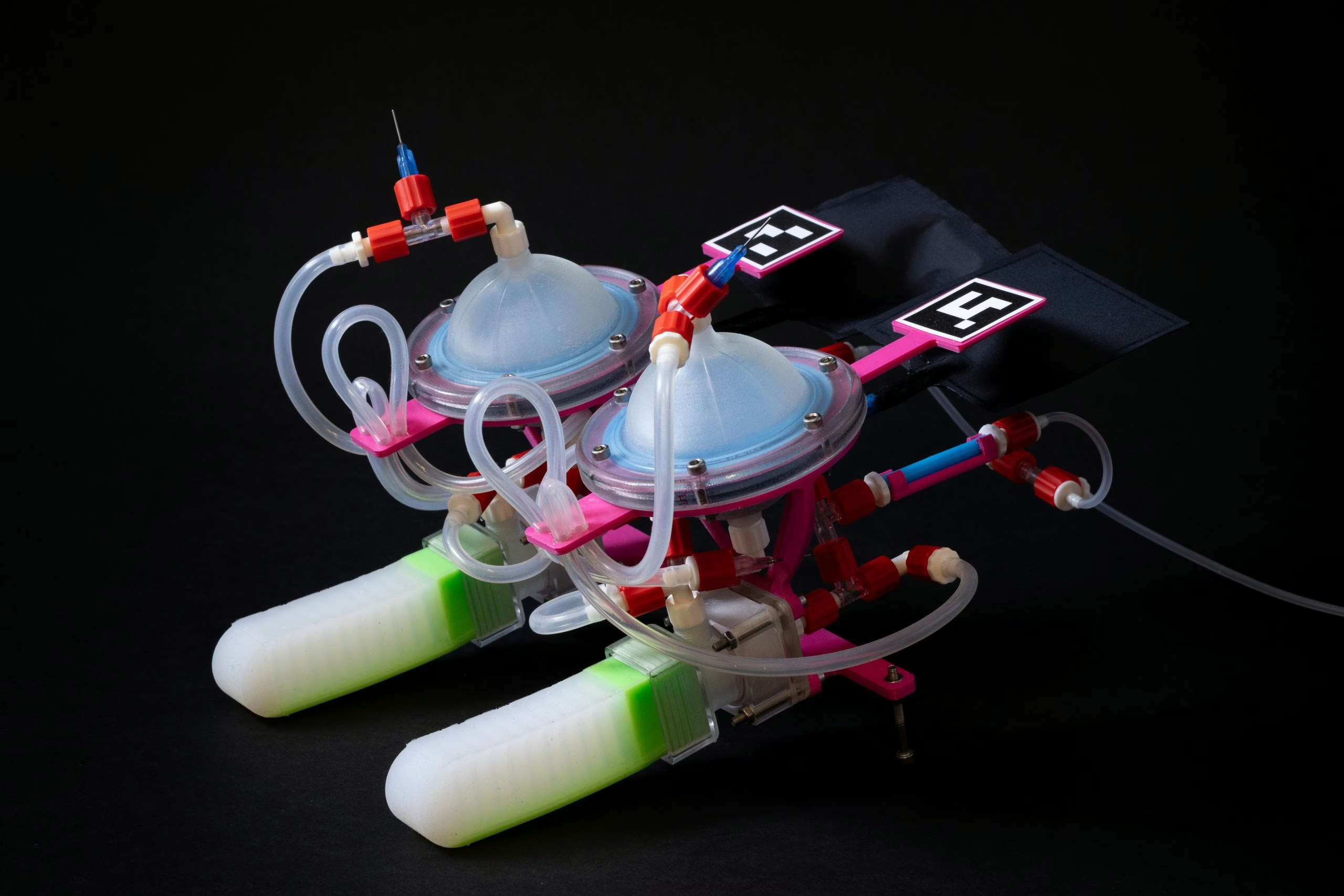
Alberto Comoretto and his colleagues in the Soft Robotic Matter group at AMOLF have created soft robots that can remember past events – without using computers or electronics. Instead, their memory is built into the robot’s flexible body. The researchers published their paper in the Cell press journal Device, and the robot was even featured on the cover of this journal.
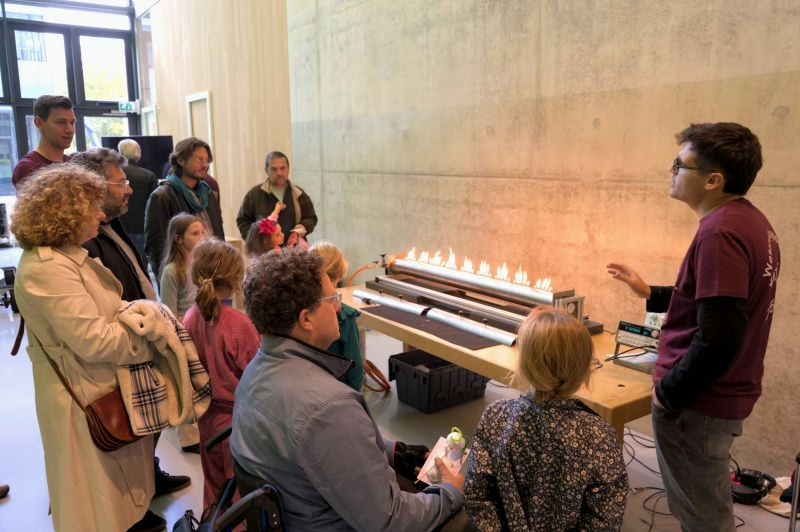
What a wonderful Wetenschapsdag we have had on October 4th! The visitors were enthusiastic and eager to take part in lab tours, workshops, and other activities. Many were returning guests, while lots of new faces discovered the Amsterdam Science Park campus for the first time. As the cherry on top, the sun came out unexpectedly.
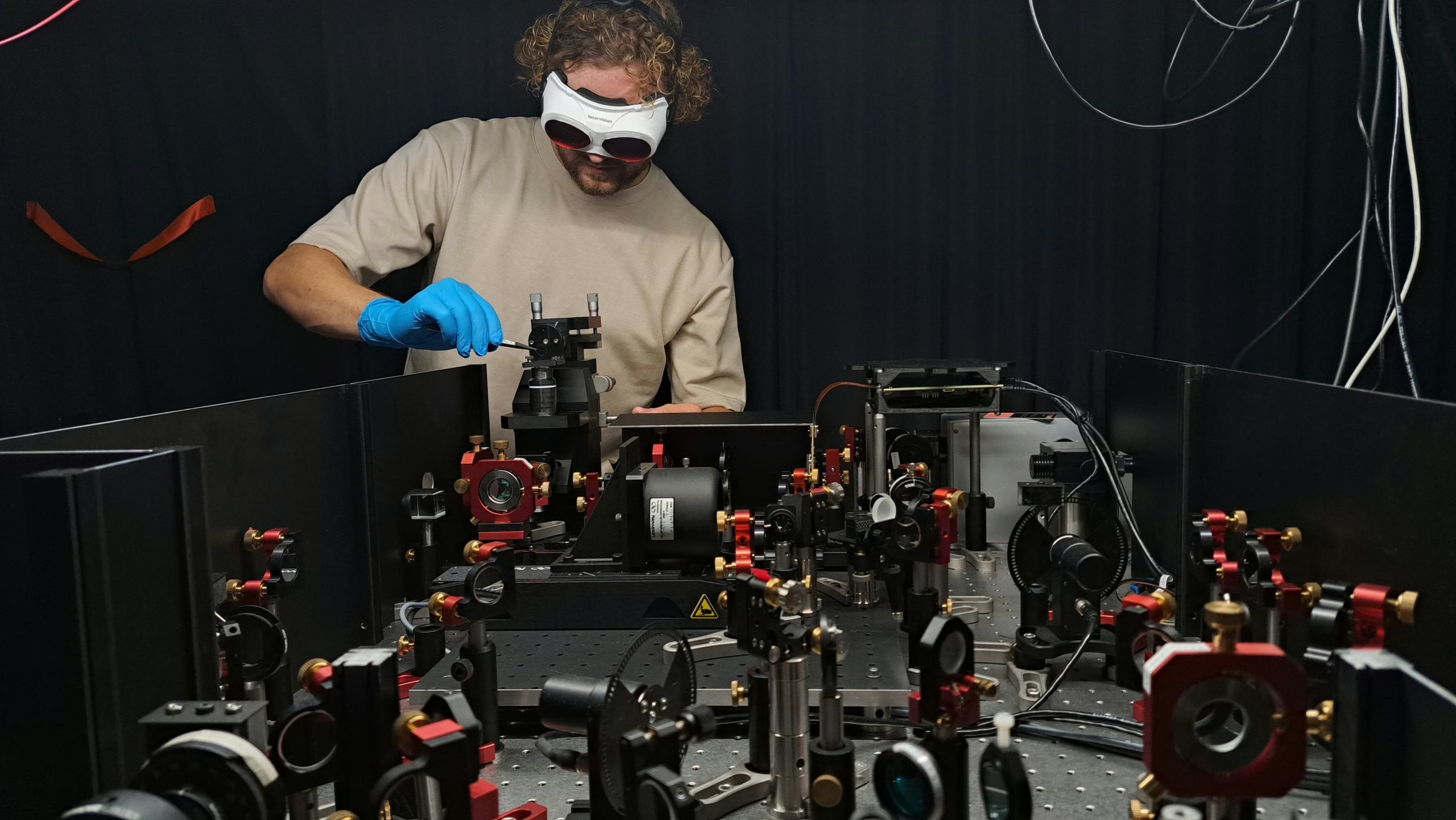
The joint PhD program between AMOLF and ARCNL continues to prove its strength in combining fundamental physics with industrial relevance. Falco Bijloo’s research, recently published in ACS Nano, showcases the power of this partnership. This December, two such joint AMOLF-ARCNL PhD candidates will both defend their PhD theses on the same day, highlighting the close-knit collaboration between the two institutes and the fertile research environment it creates for young scientists.
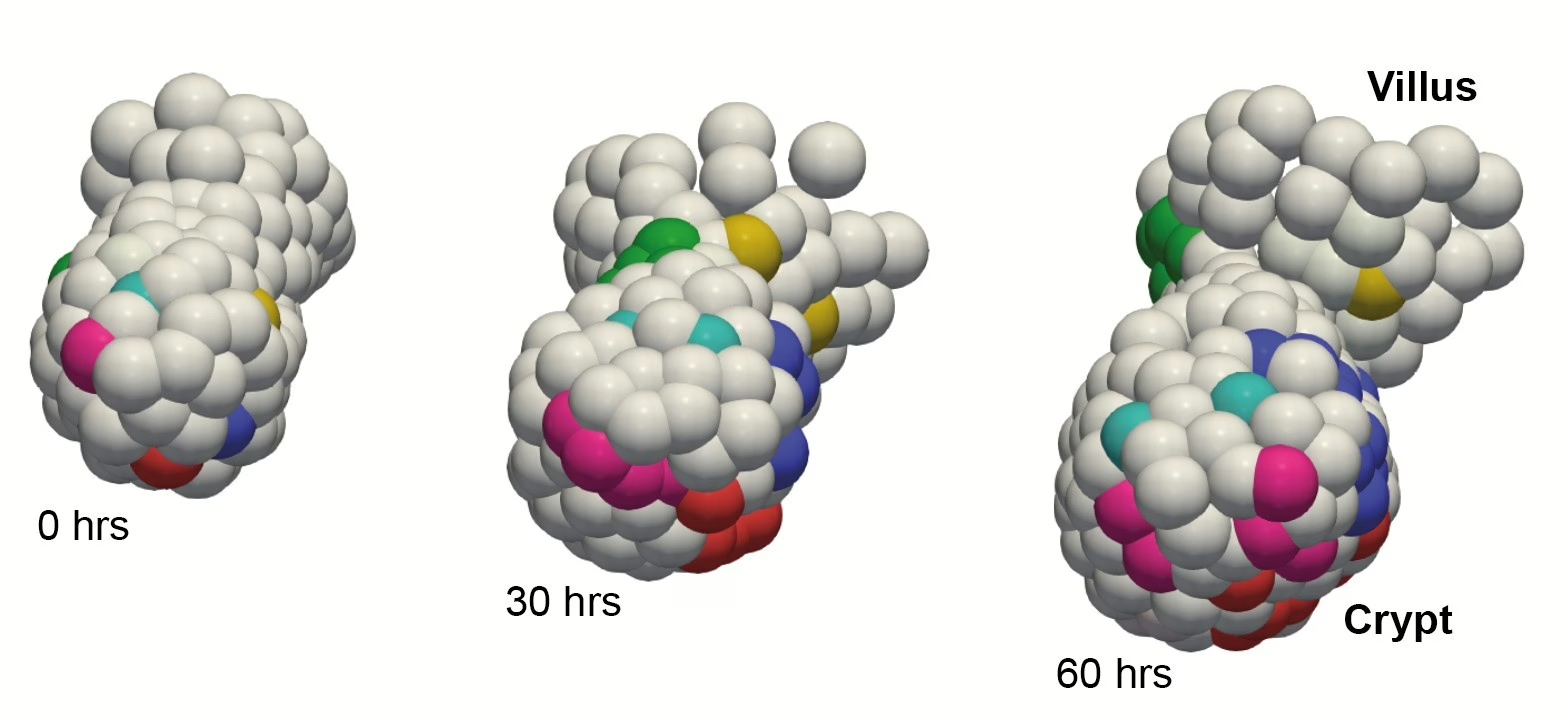
Frustrated by the time cost of manually checking cell tracking data, AMOLF PhD student Max Betjes developed an algorithm to more efficient cell-tracking analysis. He validated this automated analysis on cell movements in miniature organs, and the results are now published in Nature Methods.