
News
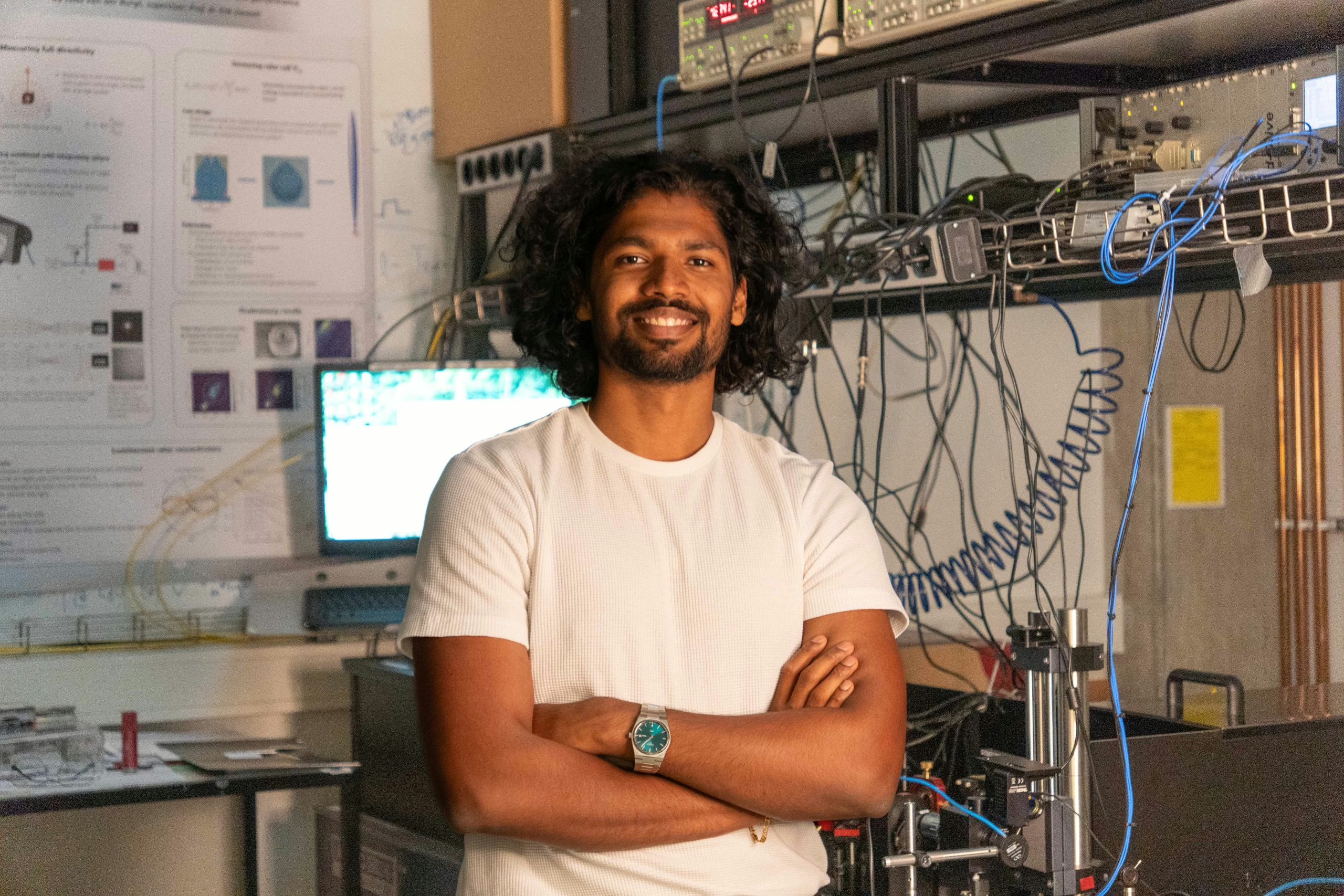
Researchers from the Nanoscale Solar Cells group at AMOLF have developed a new way to control light using tiny glass spheres. The spheres can efficiently capture incoming light and control which color is guided in which direction. This could help make photocatalysis, where light is used to drive chemical reactions, more efficient and ultimately contribute to more sustainable chemical processes. The technique could also be useful for future semiconductor applications. The research was published in ACS Photonics on August 13, 2026.

AMOLF group leader Professor Wim Noorduin and his collaborator Professor Arian van Asten (UvA) have been nominated for the Huibregtsen Prize 2026. The winner will be announced at the annual event called ‘Avond van Wetenschap en Maatschappij’ (evening of science and society) on October 8, 2026. The prize recognizes scientists who combine scientific excellence and innovation with particular societal relevance or outreach.
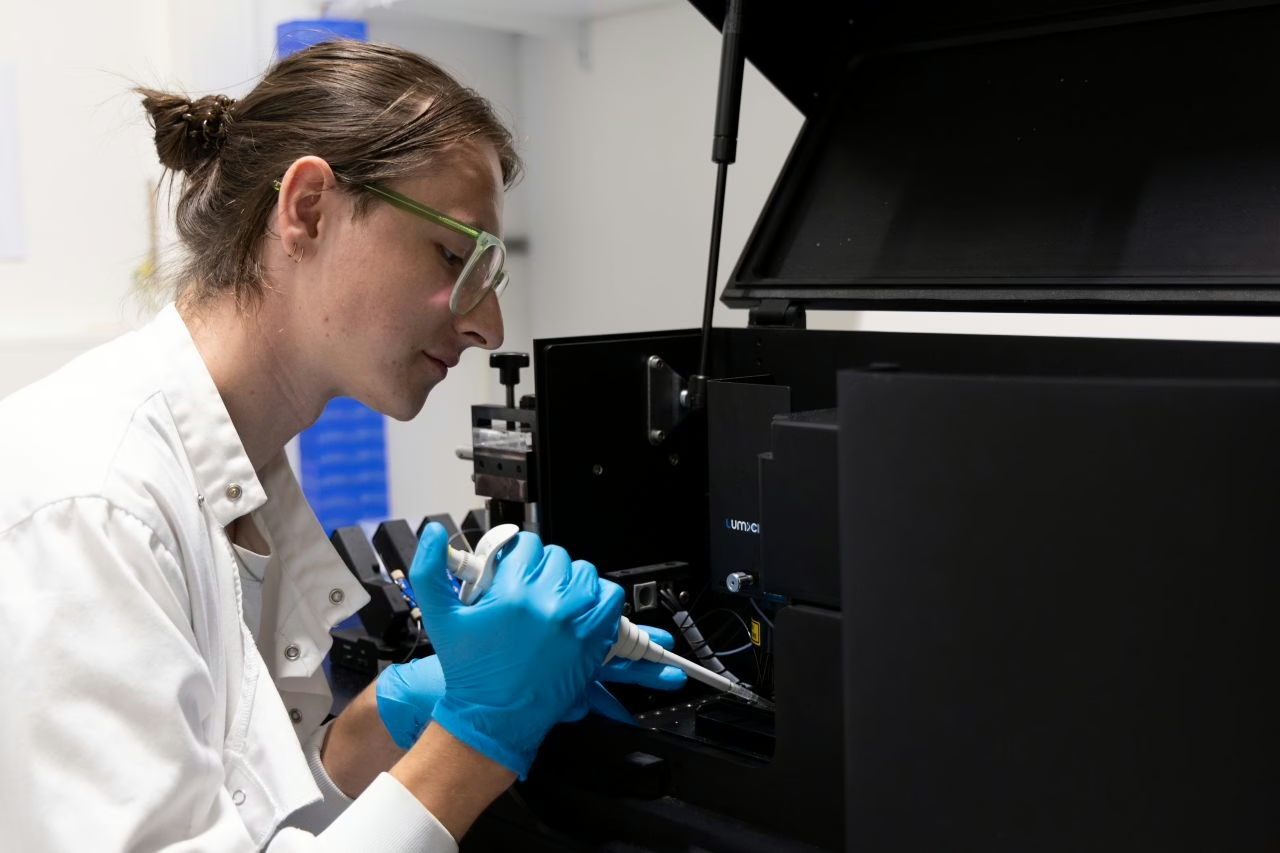
AMOLF researchers report in Nature Communications that they followed in real time how the cellular protein recycling system selects and dismantles proteins. Using single molecule manipulation, they found that the protein recycling system acts as a motor that threads proteins through a central pore. They also discovered energy-driven fluctuations that may help it recognize the correct target, revealing how cells avoid mistakes and prevent diseases such as Alzheimer’s.
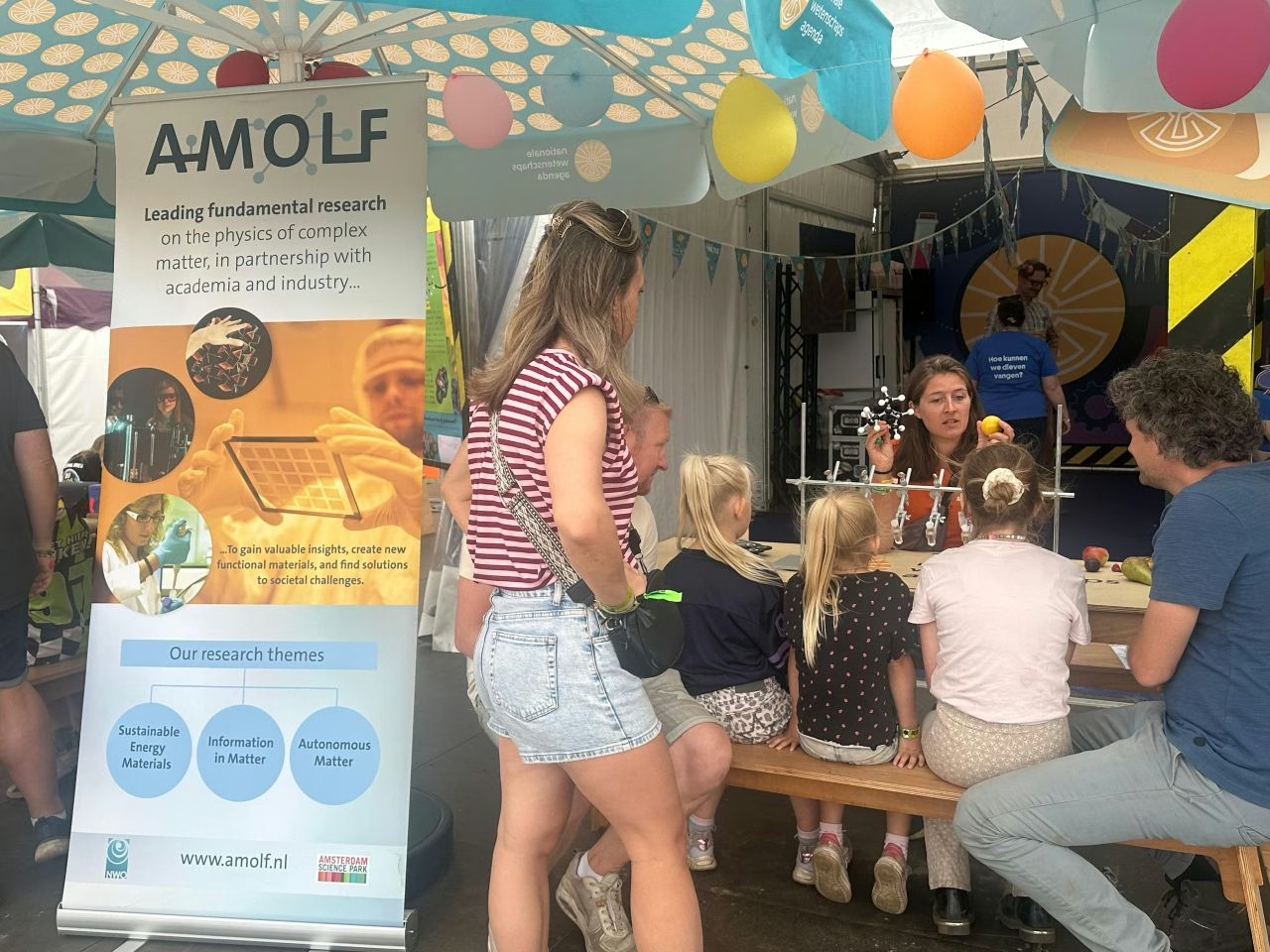
For the first time, AMOLF participated in the Netherlands’ largest summer festival, Zwarte Cross. Together with volunteers from NWO, the AMOLF team introduced children to the fascinating world of molecules. The AMOLF booth was located in the festival’s children’s area, Blagenparadijs, as part of the NWA (National Science Agenda) carried out by NWO.
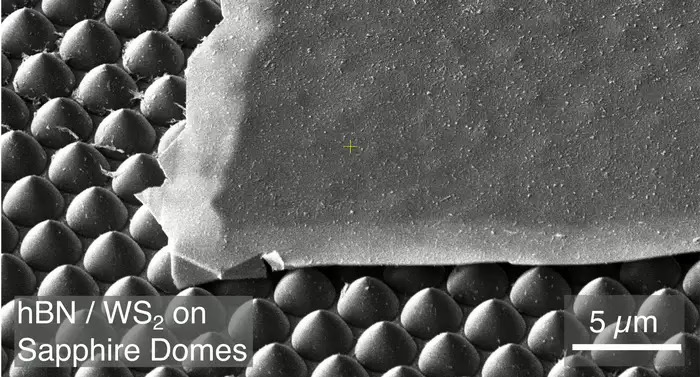
As materials become thinner – now reaching a thickness of single atoms – it has become ever more difficult to create large enough sheets of these materials and transfer them without cracking them into tiny flakes. Recent work by a broad Amsterdam-based team of scientists, published in the journal ACS Nano, presents a new technique that solves this problem – using an unexpected material that can be found in any home kitchen.
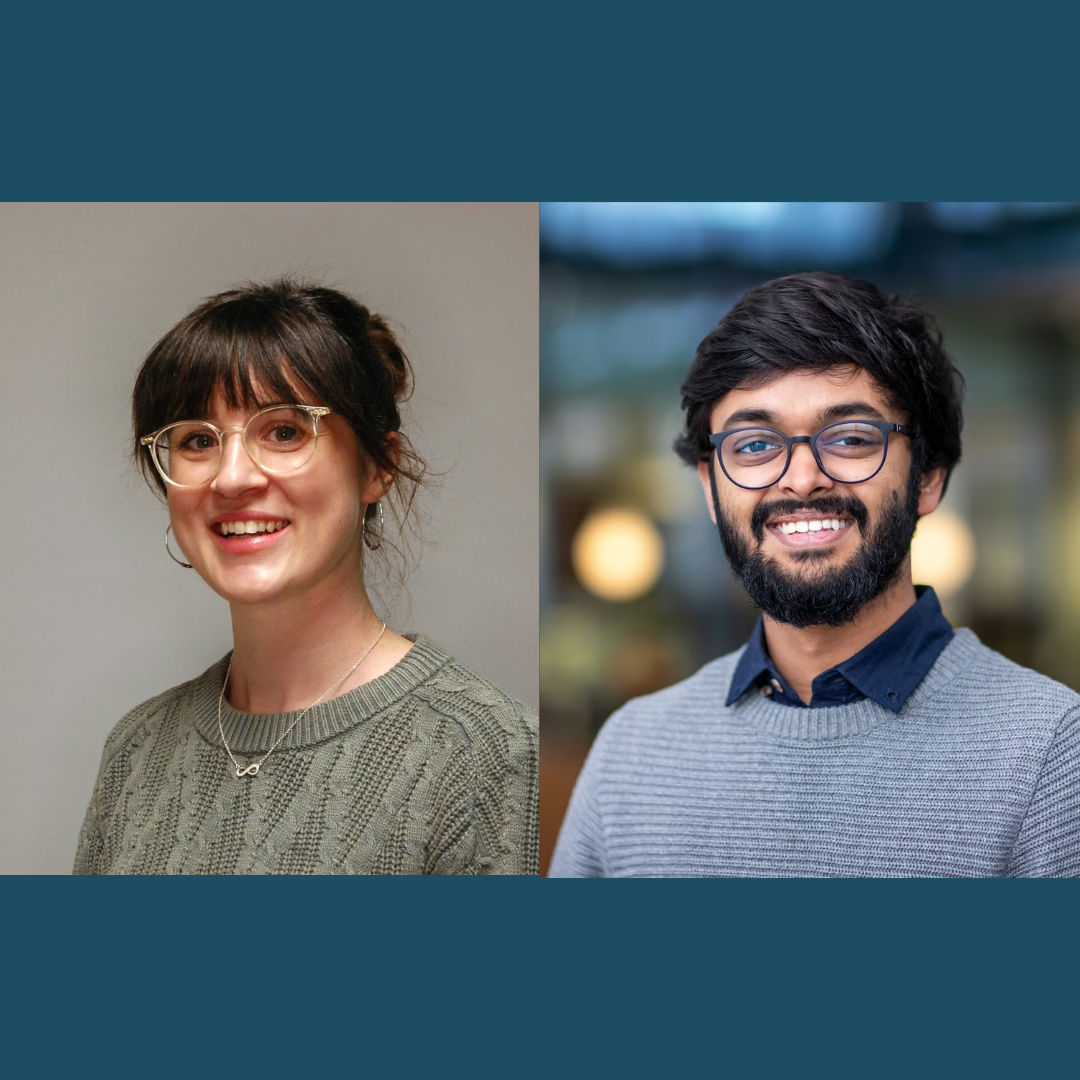
Two researchers have been awarded Veni grants from the Dutch Research Council (NWO) for three-year postdoctoral research projects at AMOLF. Dr. Megan Farrell will conduct her project on how immune cells respond to signals from the tissue around them. Dr. Kunal Datta will investigate how new optical and electronic properties emerge when semiconductor crystals twist against each other.
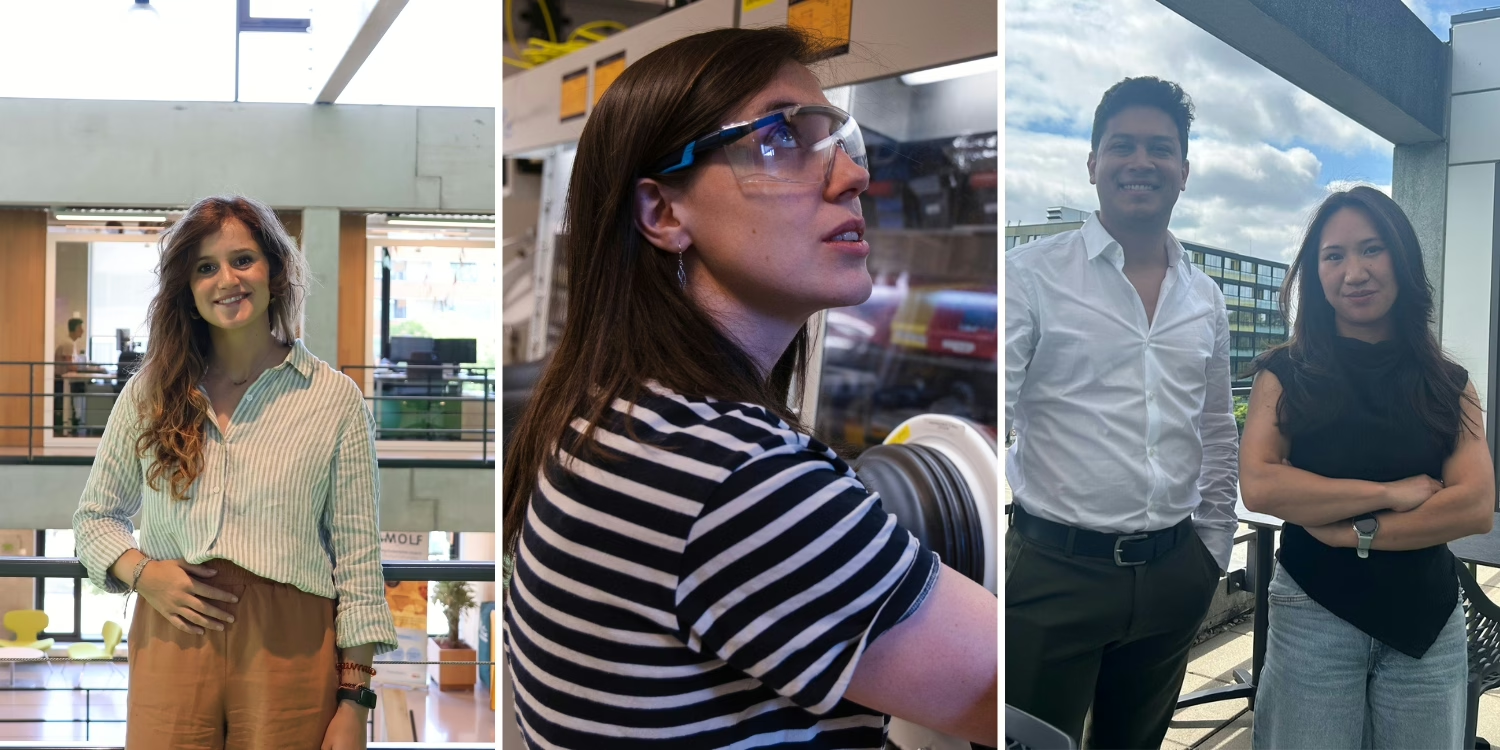
Last week, three AMOLF researchers learned that their research projects had been awarded funding through the Open Competition Domain Science-XS call. They are Dr. Susanna Eli (Biophysics, Quant. Dev. Biology & Physics of Cellular Interactions), Dr. Sarah Gillespie (Nanoscale Solar Cells), and Dr. Sergio Rey Puentes (Hybrid Nanosystems).
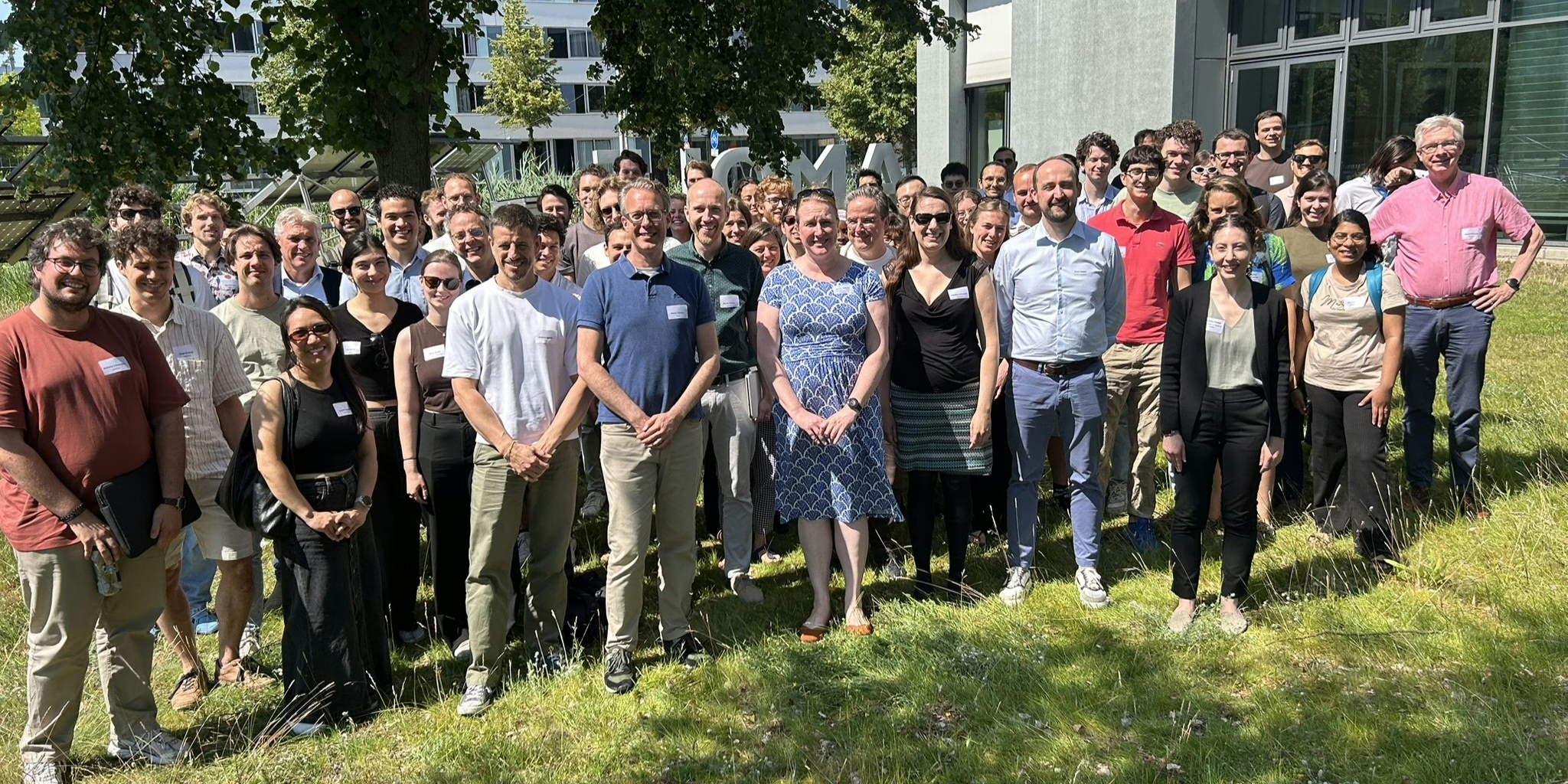
On June 19, physicists and chemists in the Netherlands came together to learn about recent discoveries on light for driving and monitoring chemical reactions. Light is a powerful and sustainable tool for steering such reactions with precision. AMOLF organized the bi-annual symposium at Amsterdam Science Park.
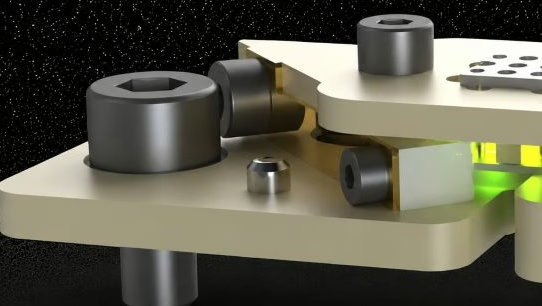
Professor Bruno Ehrler and Dr. Agustin Alvarez from the Hybrid Solar Cells group receive an ERC grant from the European Research Council. The researchers will develop a new hardware platform for processing information directly where it is sensed. This approach reduces the need to transfer data to separate processing units, as is typically done on conventional computers. The project ‘Vision with Ionic Spatiotemporal Perovskite Arrays’ (VISTA) is funded with €150,000.
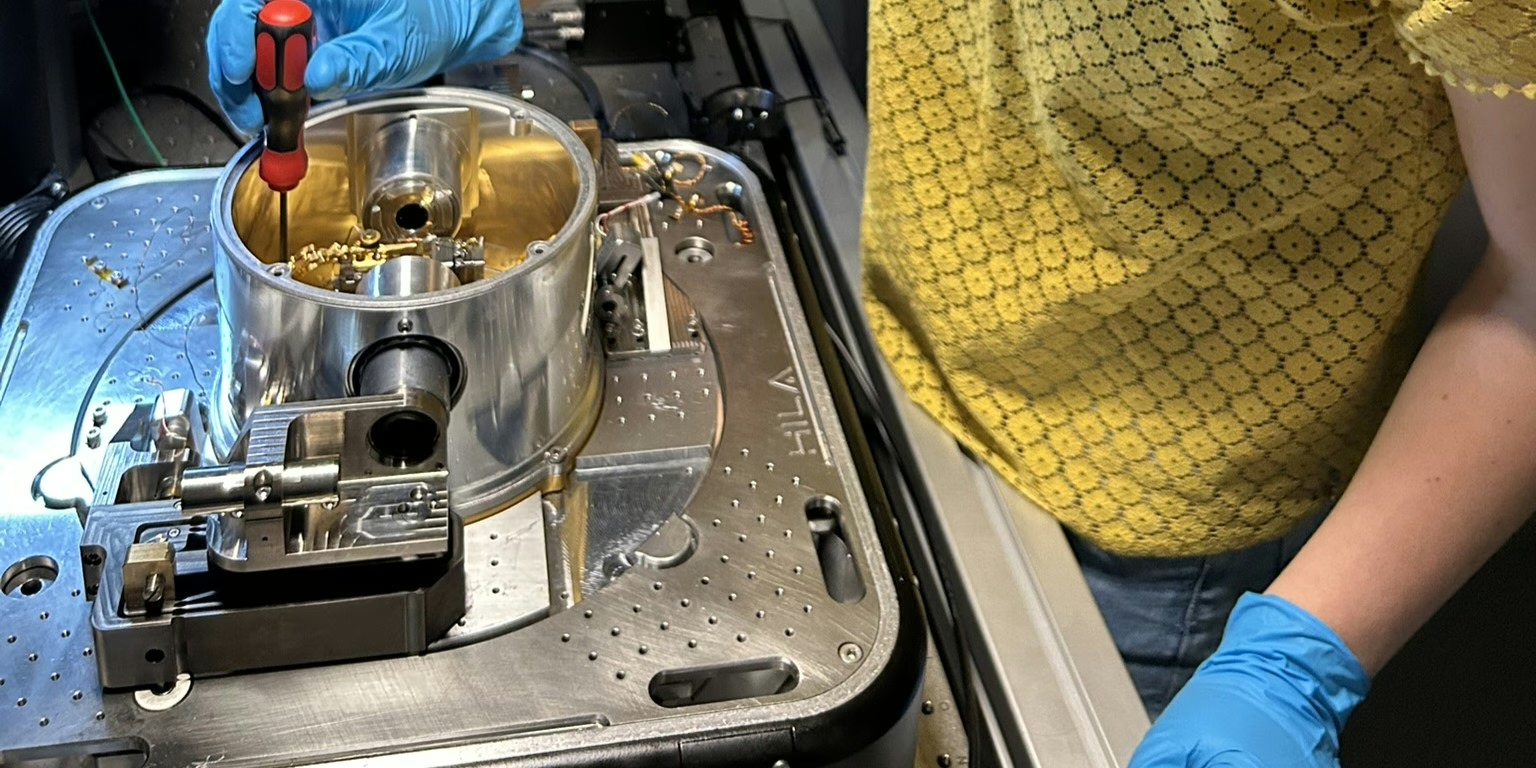
Research in the Interacting Photons group shows that the rules governing how light evolves over time are different from what we might expect. This is not only surprising; its implications could also be significant for the development of energy-efficient information processing systems. The researchers published their findings in the journal Physical Review Letters.
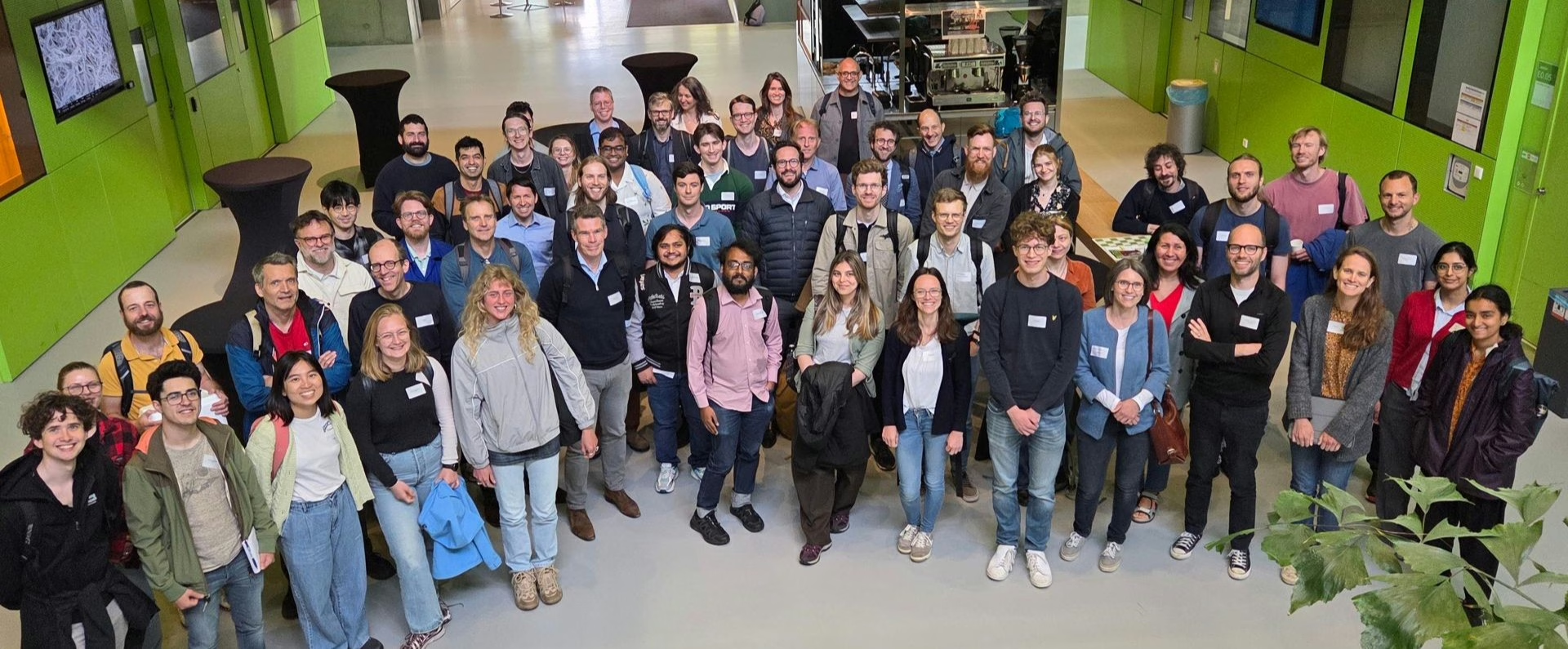
On June 11, researchers gathered at the Autonomous Matter Symposium to discuss the concept of autonomy from different perspectives. Professor Jay Groves (UC Berkeley) argued that autonomy may not begin with decision-making, but with amplification. Professor Elisabetta Chicca (University of Groningen) offered a complementary perspective from the field of neuromorphic engineering.
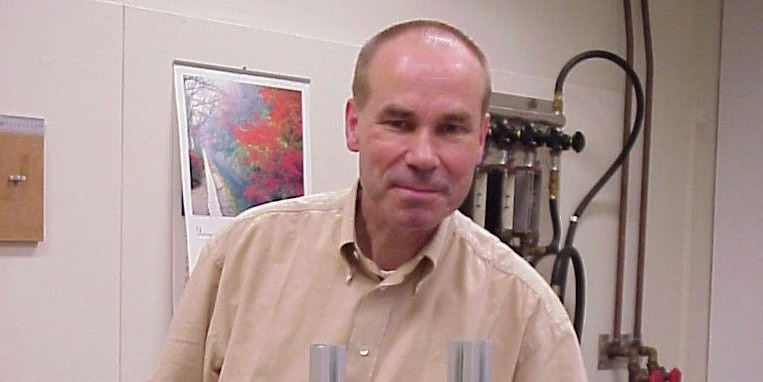
Sadly, on June 3rd, 2026, former AMOLF group leader Wim de Jeu passed away. He will be remembered by many current and former AMOLF colleagues.