
News
The Netherlands Organisation for Scientific Research (NWO) awarded Veni grants to the AMOLF researchers Scott Waitukaitus and Andrew Musser. In total 158 researchers received a Veni grant with a maximum of 250.000 euro.
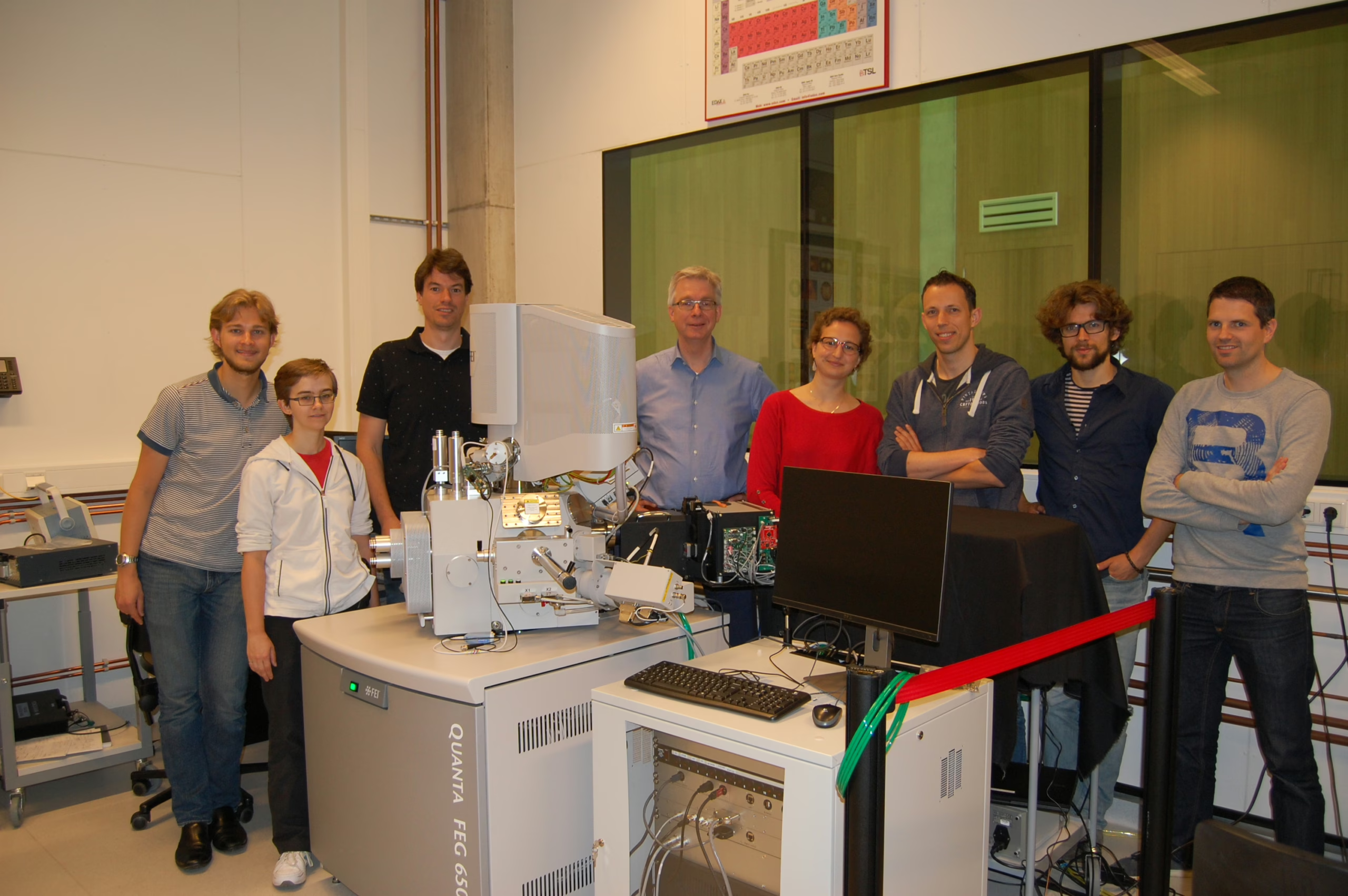
During a festive celebration on June 22, AMOLF has officially opened a new cathodoluminescence microscope in Albert Polman’s group that enables ultrafast optical measurements with a spatial resolution of 10 nanometer.
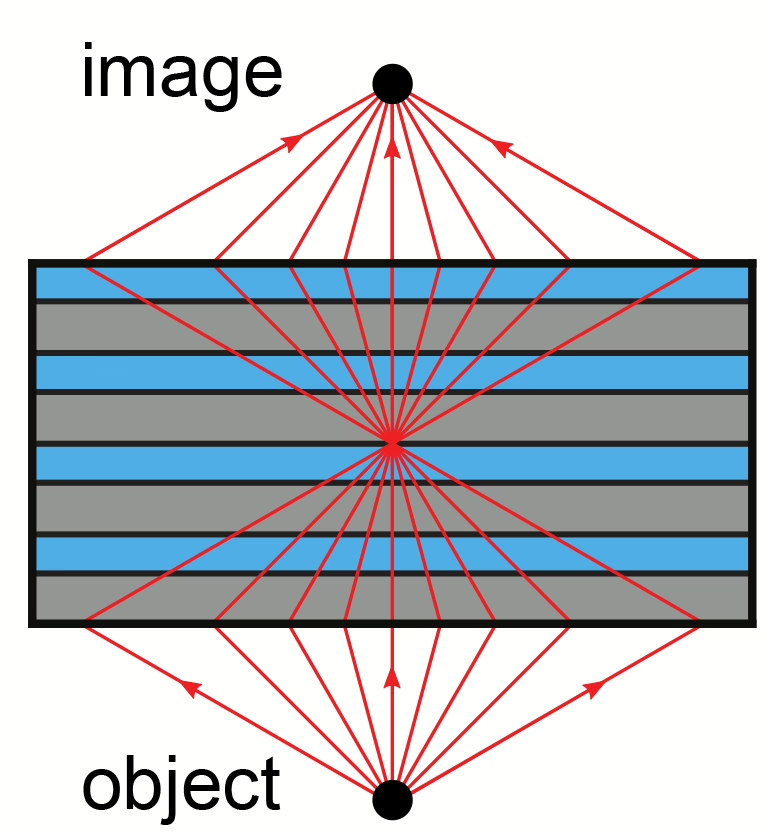
AMOLF researchers have created a new optical lens that is flat, rather than curved like a traditional glass lens. The lens operates by the mechanism of negative refraction, that was first predicted by Veselago in 1968 and focuses ultraviolet light to a diffraction-limited spot. It can find applications in ultracompact optical storage devices and ultrasmall microscopy instruments.
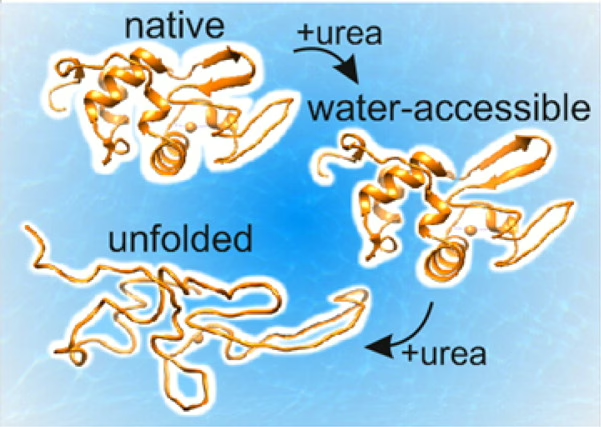
Proteins perform specific biological functions for which they strongly depend on their three-dimensional structure that results from the folding of the polypeptide chain. The mechanisms by which proteins fold and unfold are still not fully understood.

AMOLF group leaders Erik Garnett and Yves Rezus have received an NWO Vidi grant. NWO has awarded 87 experienced researchers a Vidi grant worth 800,000 euros. The grant enables them to develop their own innovative line of research.

Analyzing 16 record-efficiency solar cell materials, the paper presents opportunities to improve photovoltaic efficiency using nanoscale light management and to enhance carrier collection with innovative materials science and engineering strategies.
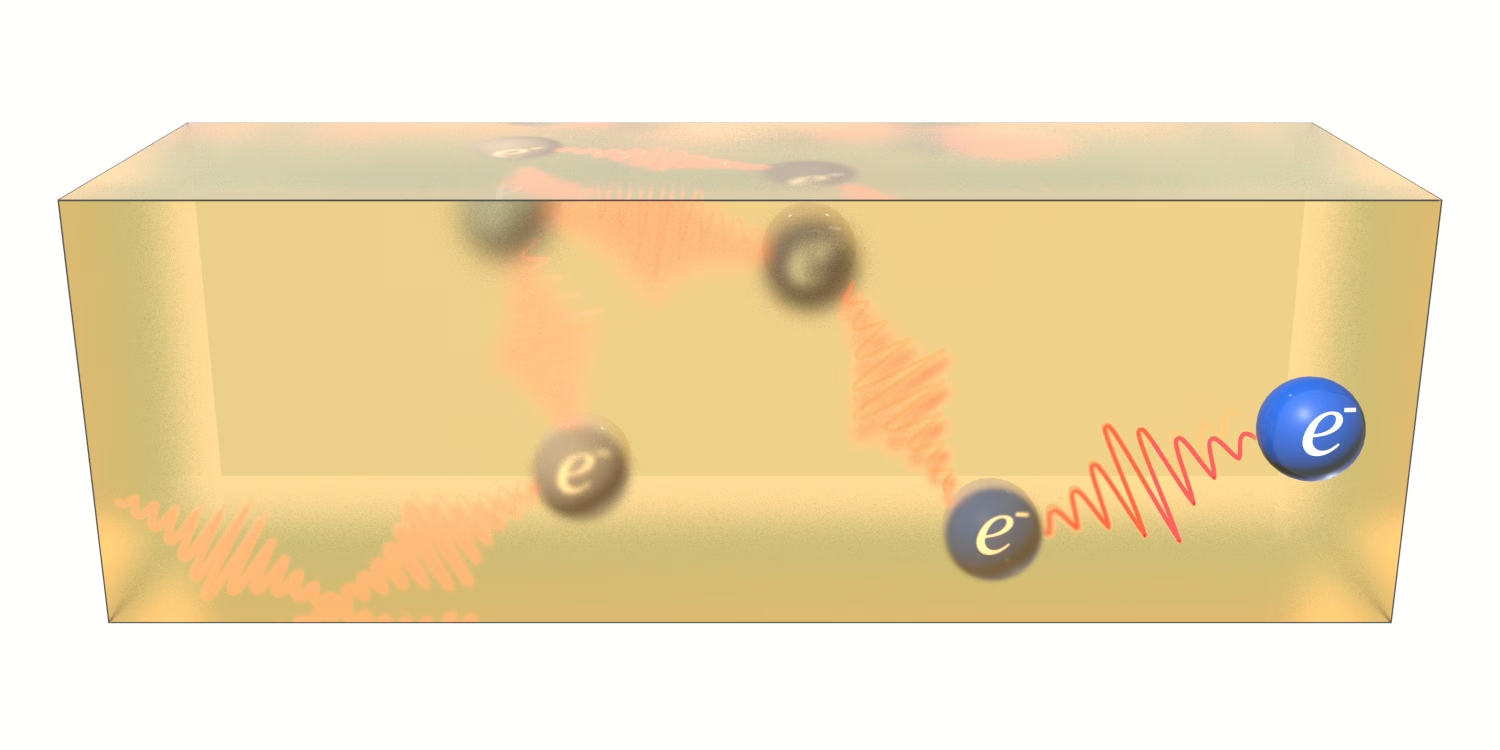
Perovskite materials can recycle light particles – a finding which could lead to a new generation of affordable, high-performance solar cells.
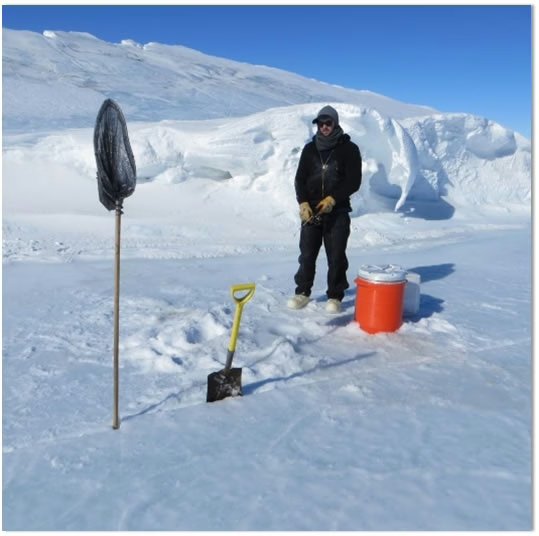
Ever since biologist Arthur DeVries discovered antifreeze proteins in Antarctic fish in the 1960’s, researchers have tried to unravel the mystery behind these remarkable proteins. Thanks to the proteins in their body fluids these fish, and other extremophiles, do not freeze in the cold environment in which they live. The antifreeze proteins, of which there are several varieties, attach to small ice crystals, thereby hindering their growth. So while ice may form in the blood, the crystals are so small that the blood is not deprived of its functions.

As of May 1st, Bas Overvelde will be appointed as AMOLF group leader.
AMOLF director Huib Bakker and program leader Albert Polman both received an Advanced Research Grant of 2.5 million euros from the European Research Council (ERC). The European Research Council uses the ERC Advanced grants to allow outstanding research leaders to pursue ground-breaking, high-risk projects in Europe.

Researchers from FOM institute AMOLF and the University of Michigan have discovered how the biological clock of an organism remains stable, even when the cells of that organism grow and divide. Today in the Proceedings of the National Academy of Sciences (PNAS) USA they provide a mathematical model that explains the undisrupted functioning of the biological clock.
As of Februari 1st, Esther Alarcon starts as a tenure track group leader in the FOM focus group Light Management in New Photovoltaic Materials (LMPV). Alarcon is the third group leader in the LMPV focus group and with Alarcon the focus group has filled all of its tenure track positions.