
News
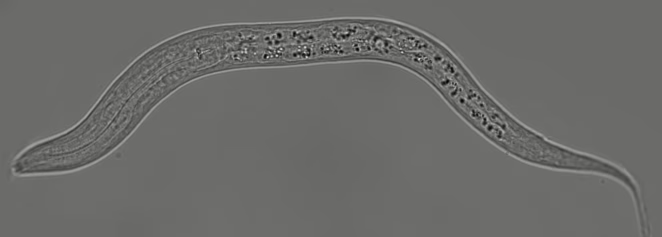
A research consortium led by AMOLF group leader Jeroen van Zon has been awarded an NWO ENW-XL grant to combine efforts and elevate curiosity-driven research to the next level. A total of 2.7 million euros has been granted for the project “How developing embryos use noisy clocks to tell time with high precision.”
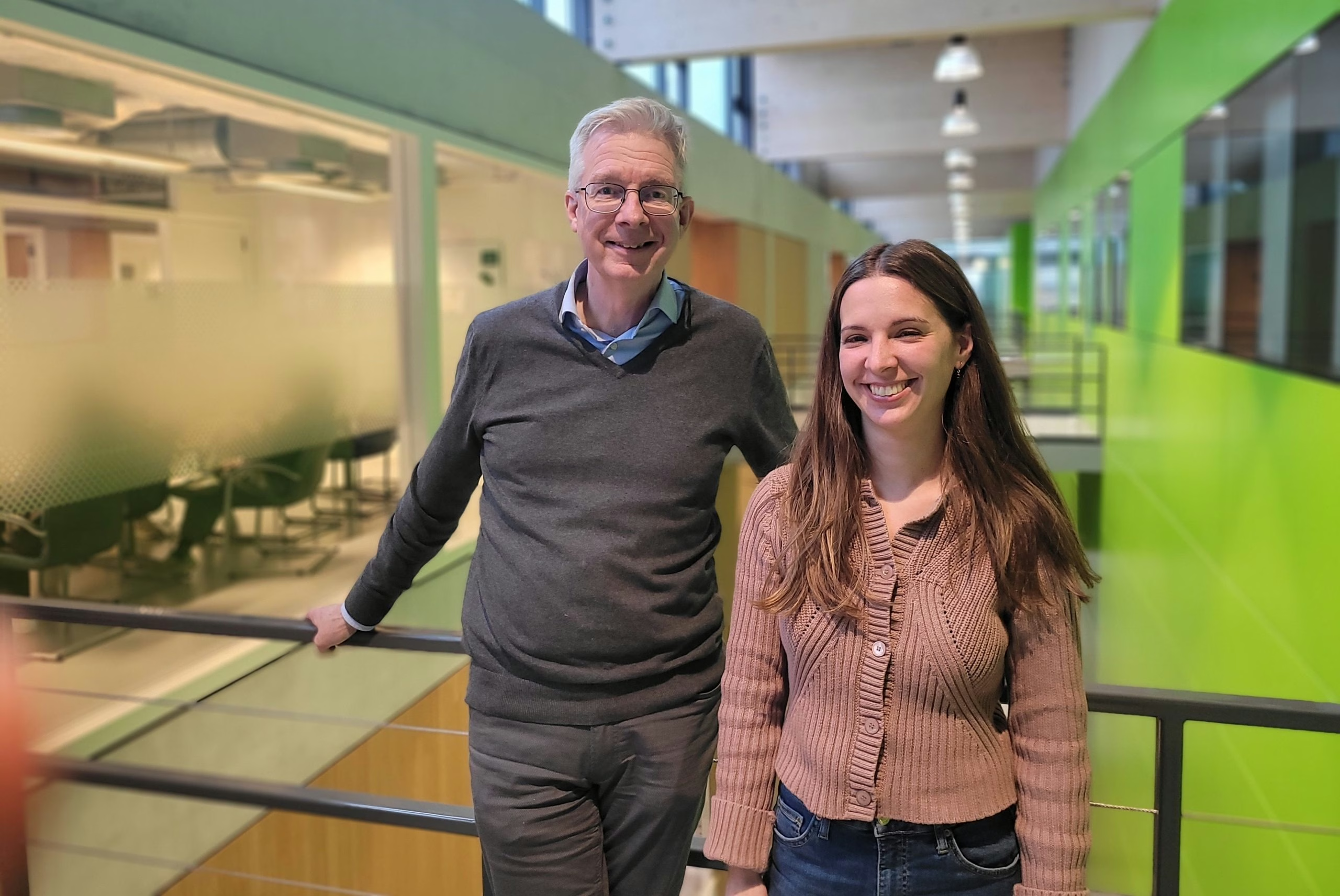
A joint research project between AMOLF, Delft University of Technology, Delmic and Technolution has received funding from the National Growth Fund program ‘NXTGEN Hightech.’ This project, which aims to push the boundaries of microscopy technology, is poised to create innovative tools for semiconductor and life sciences applications. We spoke with group leader Albert Polman and researcher Magda Solà Garcia of AMOLF’s Photonic Materials group, to learn more about this groundbreaking endeavor.
What do a ketchup bottle and balloons have to do with robots? That was the opening question of an NPO Radio 1 broadcast in which Bas Overvelde, leader of AMOLF’s Soft Robotic Matter Group, appeared. Bas was interviewed in ‘De Nacht van NTR Wetenschap’ to discuss the life-saving potential of soft robots. These flexible robots, made from soft materials, can adapt to their environment and respond to touch. While they’re gentle enough to pick fruit without damage, their potential goes far beyond: by mimicking the human heart, researchers aim to develop a hybrid robotic heart, offering hope for heart failure patients awaiting transplants.

Menachem Stern started at AMOLF as a group leader on August 1st. His research group, Learning Machines, focuses on topics such as power-efficient algorithms for neuromorphic computers. Recently, the Journal of the Association for Computing Machinery (ACM) published an article titled “Controlling AI’s Growing Energy Needs,” which features an interview with Menachem about his work.
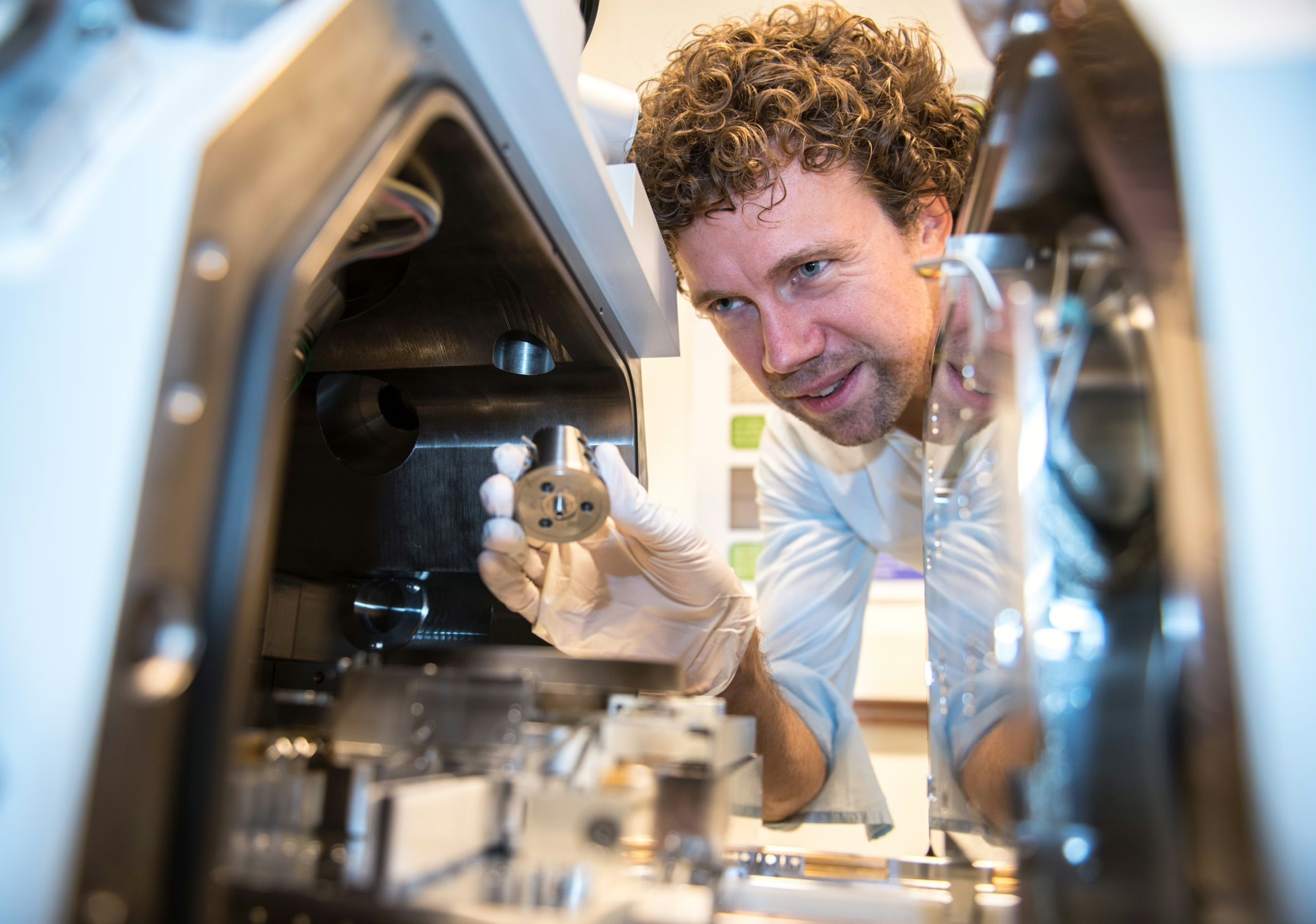
Wim Noorduin (AMOLF group leader / UvA professor) has been awarded the prestigious NWO Stairway to Impact Award for his success in translating fundamental research into a societal application. In close collaboration with his group members Wim developed a lead detection test and started the company Lumetallix to address global lead poisoning.
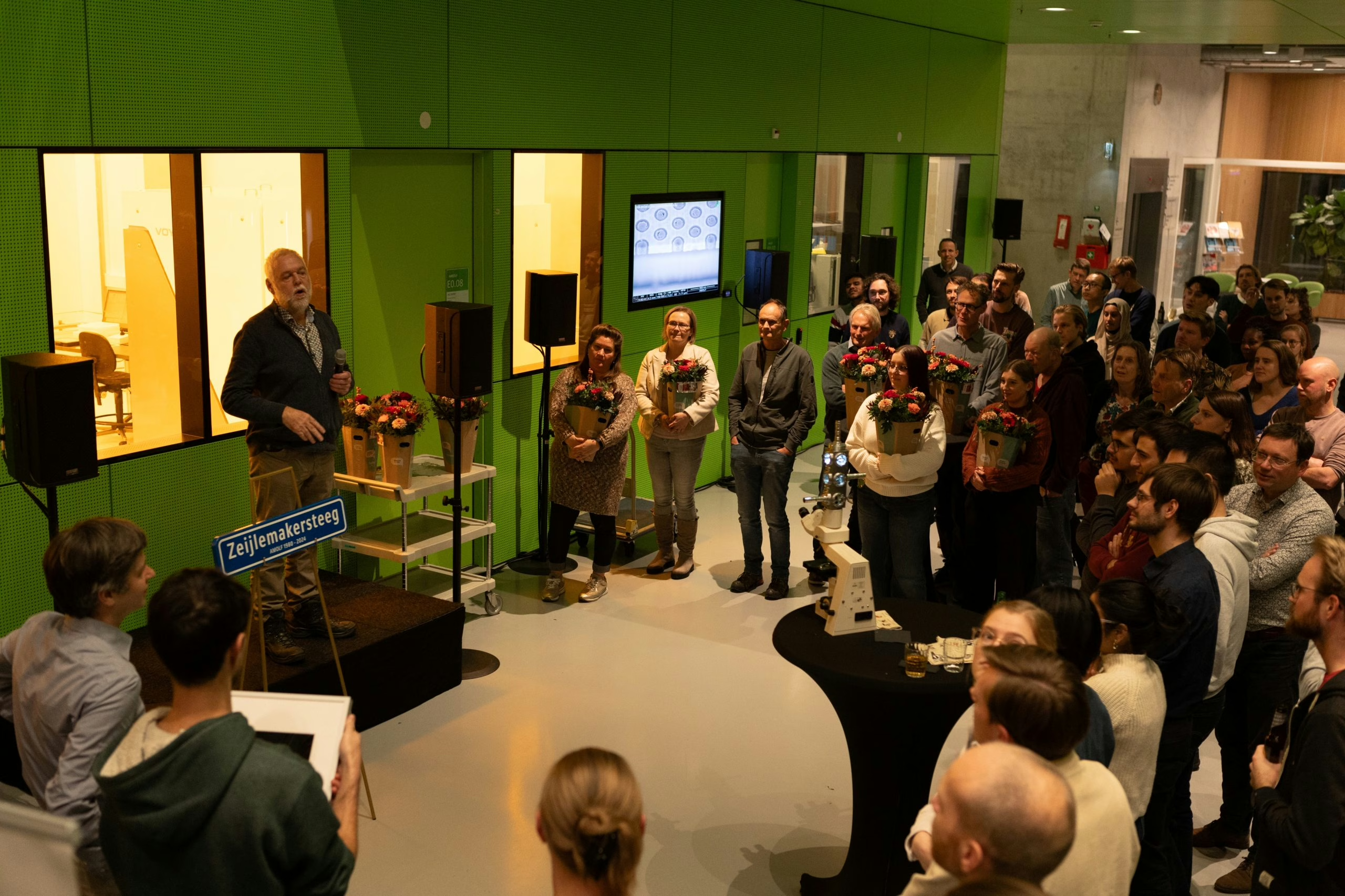
On November 21, researchers, staff, and guests gathered at AMOLF to celebrate two significant milestones: the opening of the newly upgraded NanoLab cleanroom and the farewell of a beloved colleague, Hans Zeijlemaker, after an impressive 44-year career at the institute.
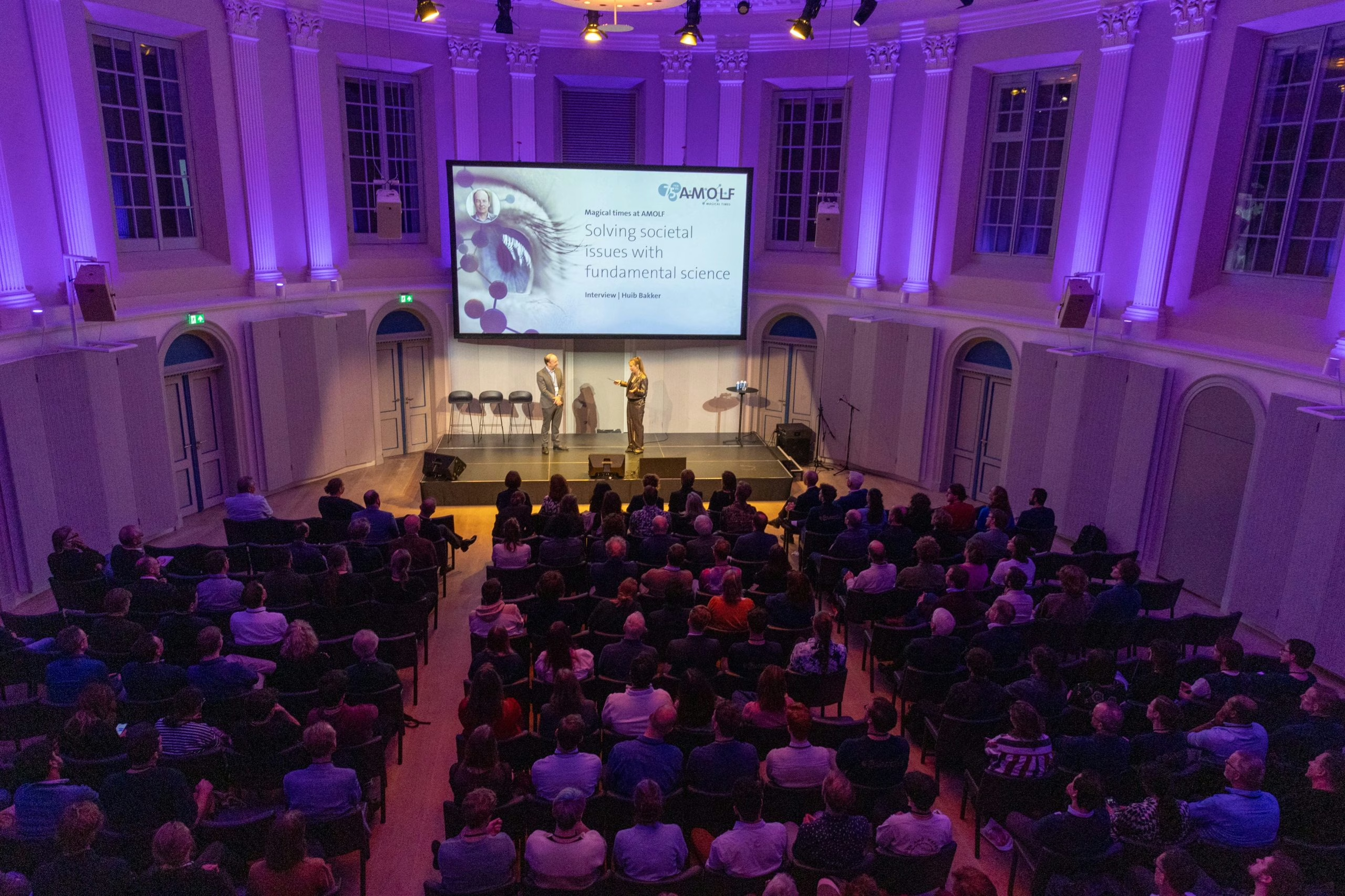
On November 12, AMOLF celebrated its 75th anniversary with its network partners at the iconic Felix Meritis in Amsterdam. The celebration drew together a diverse crowd of research collaborators, industry partners, policymakers, AMOLF staff and other esteemed relations. This gathering provided an opportunity to reflect on the institute’s achievements, and exchange ideas about its evolving role in the future of science and technology.
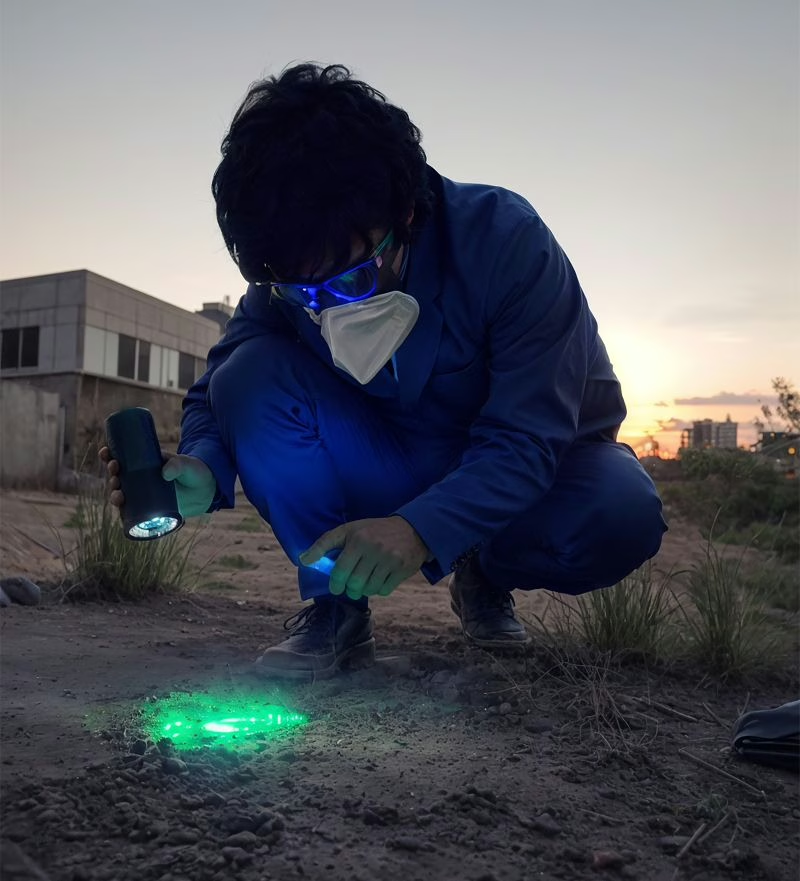
On Monday 4 November, AMOLF researcher Wim Noorduin participated in the NWO debate “Science Works! The future of research and innovation in the Netherlands” in Nieuwspoort, The Hague.
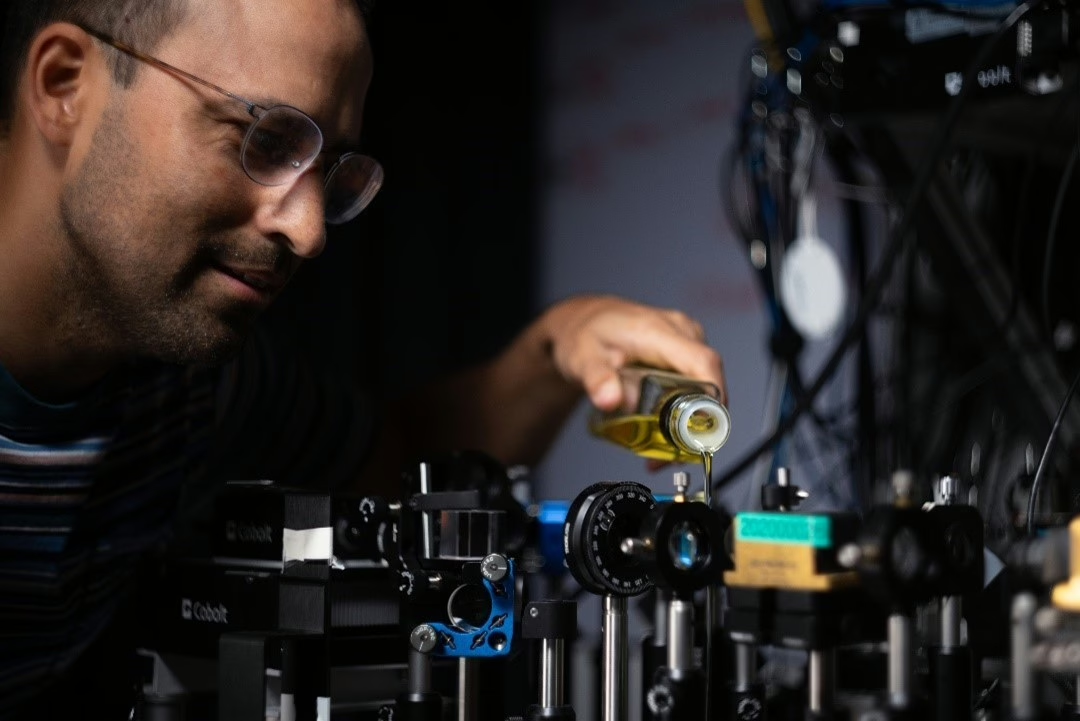
Scientists at AMOLF and the University of Madrid have observed and described unique and spontaneous symmetry breaking in a metallic grating. By covering the grating with oil, they created a non-linear optical response with memory in the system. This resulted in asymmetric diffraction, even though the grating and illumination were symmetrical. Such behavior opens opportunities for better resolution in imaging and sensing methods with gratings. The scientists published their findings in Physical Review Letters on 27 September 2024.
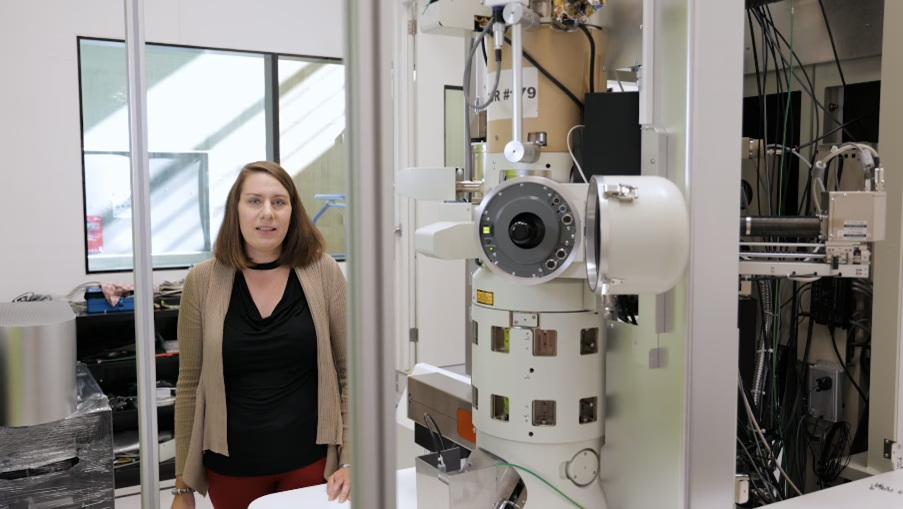
AMOLF acquired a unique instrument: a Transmission Electron Microscope (TEM). With this microscope researchers can now watch materials at the atomic scale and see what is happening over time and under the influence of light. This microscope is open to everyone with an academic or industrial affiliation at an hourly fee. Its launch was celebrated at the Sustainable Energy Materials symposium on 11 October.
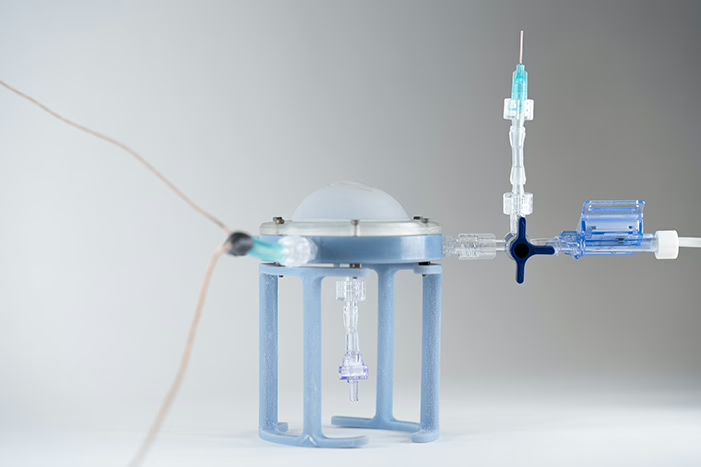
People typically think of robots as hard, metallic objects, but soft robots are on the rise offering many advantages, such as their ability to adapt to the human body and the environment. Alberto Comoretto is a PhD student in the group of Bas Overvelde (Soft Robotic Matter). He shares his experiences of working as a visiting researcher at MIT in Boston for four months.
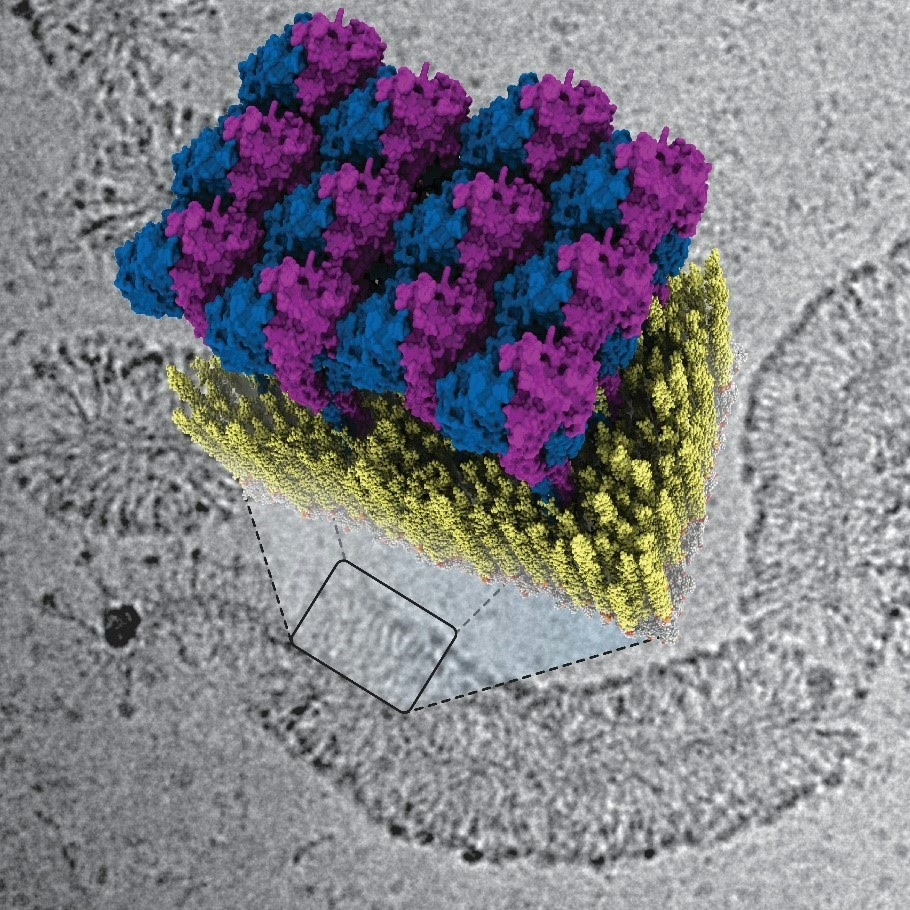
The protein GBP1 is a vital component of our body’s natural defence against pathogens. This substance fights against bacteria and parasites by enveloping them in a protein coat, but how the substance manages to do this has remained unknown until now. Researchers from Delft University of Technology and the AMOLF have now unravelled how this protein operates. This new knowledge, published in Nature Structural & Molecular Biology, could aid in the development of medications and therapies for individuals with weakened immune systems.