
News & updates
Latest developments from our institute
Stay informed about new research results, awards, events, and collaborations across our scientific community.
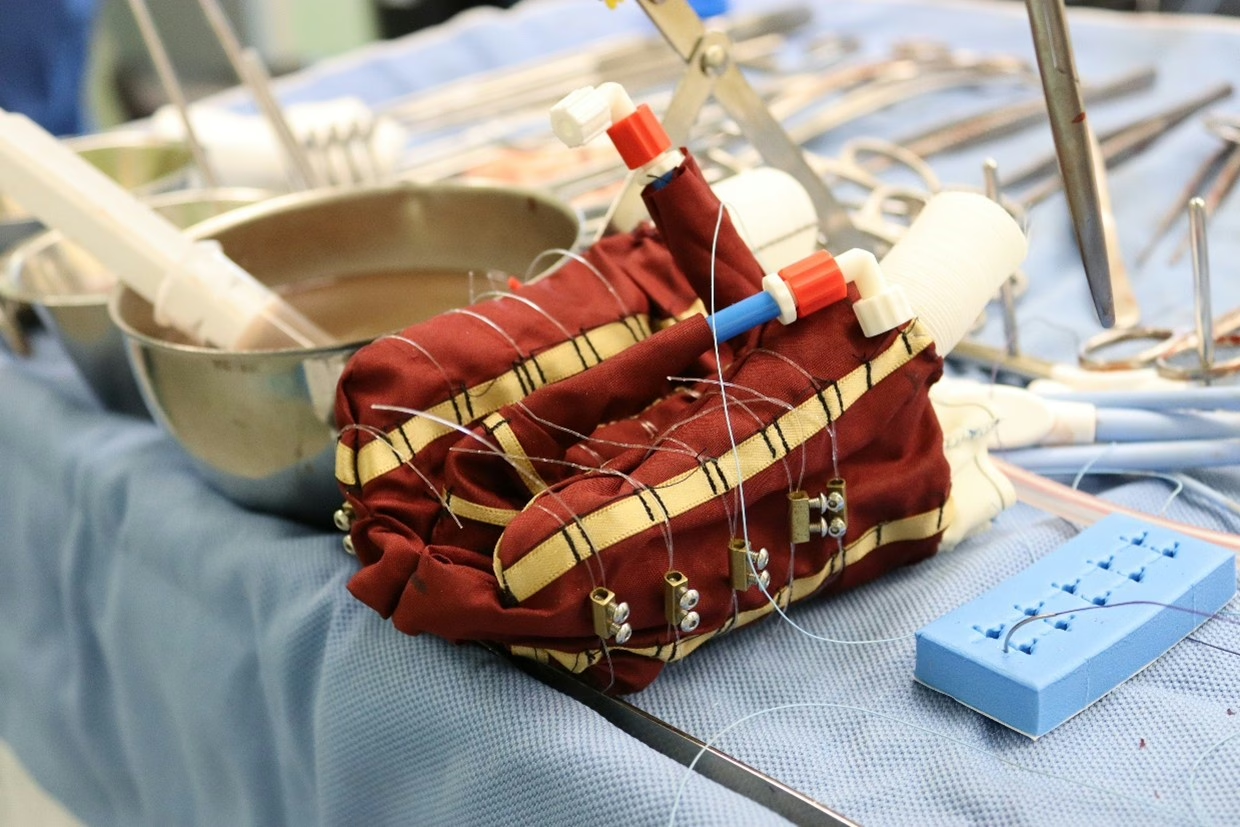
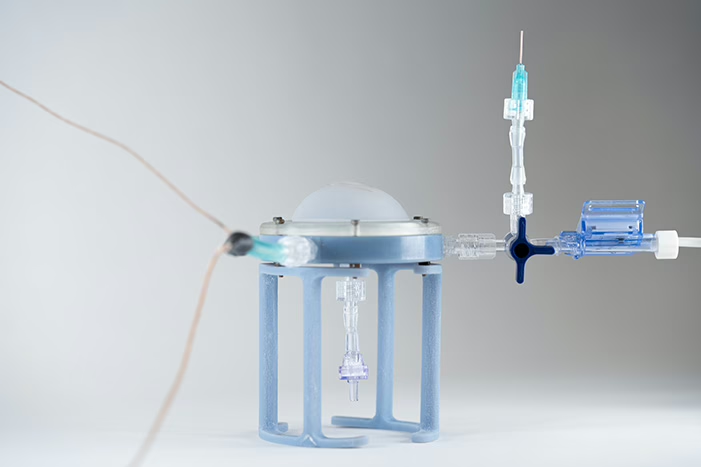
Breakthrough in heart technology: prototype of first soft robotic artificial heart
An international team of researchers with AMOLF group leader Bas Overvelde, has taken the first steps towards developing a new type of artificial heart that combines soft robotics with advanced biomaterials. This so-called ‘Hybrid Heart’ has been published in the journal Nature Communications on June 3rd.
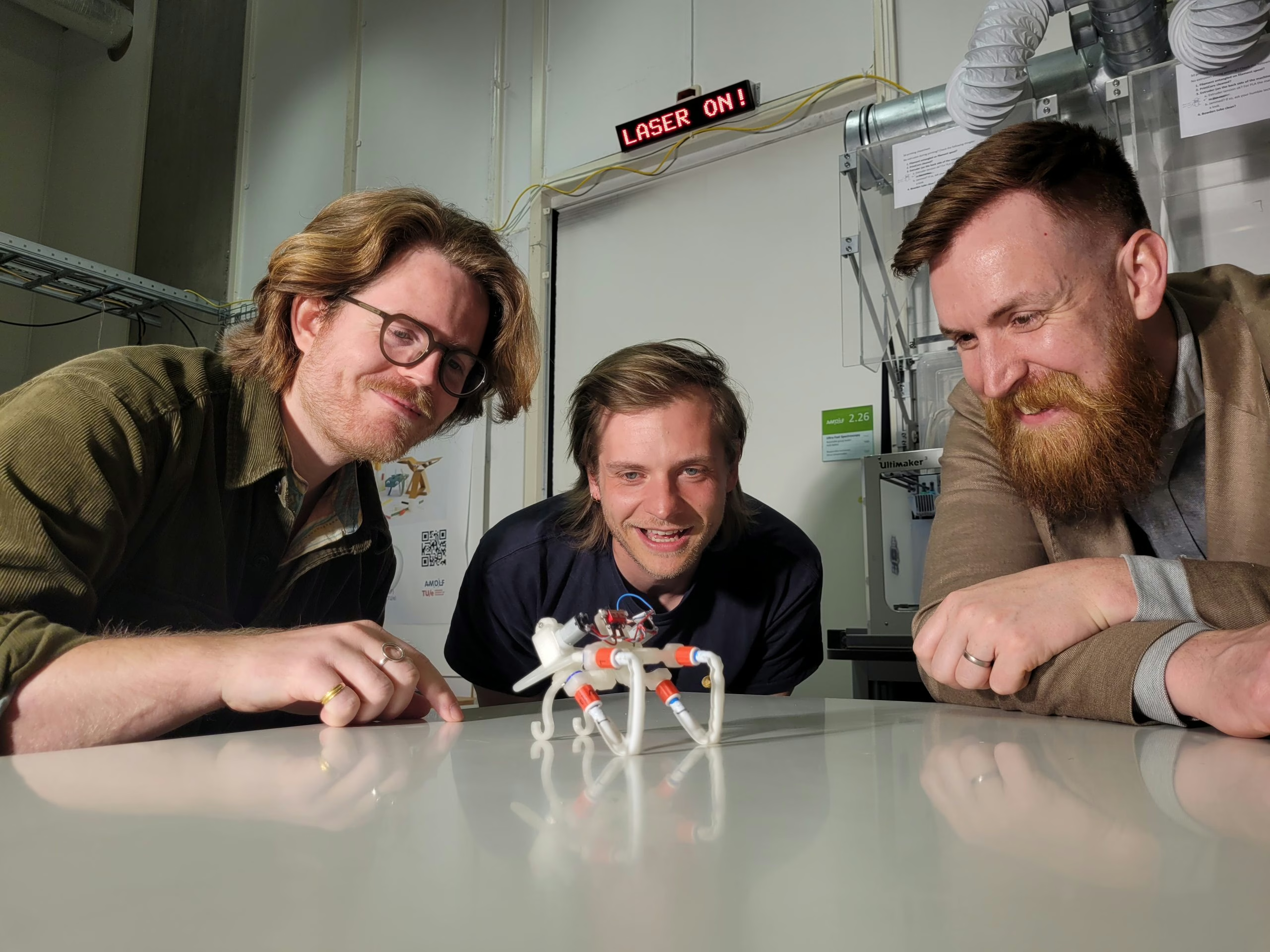
This soft robot “thinks” with its legs
A research team from AMOLF created a soft robot that walks, hops, and swims — all without a brain, electronics, or AI. Just soft tubes, air, and some clever physics. Possible future applications range from smart pills to space tech.
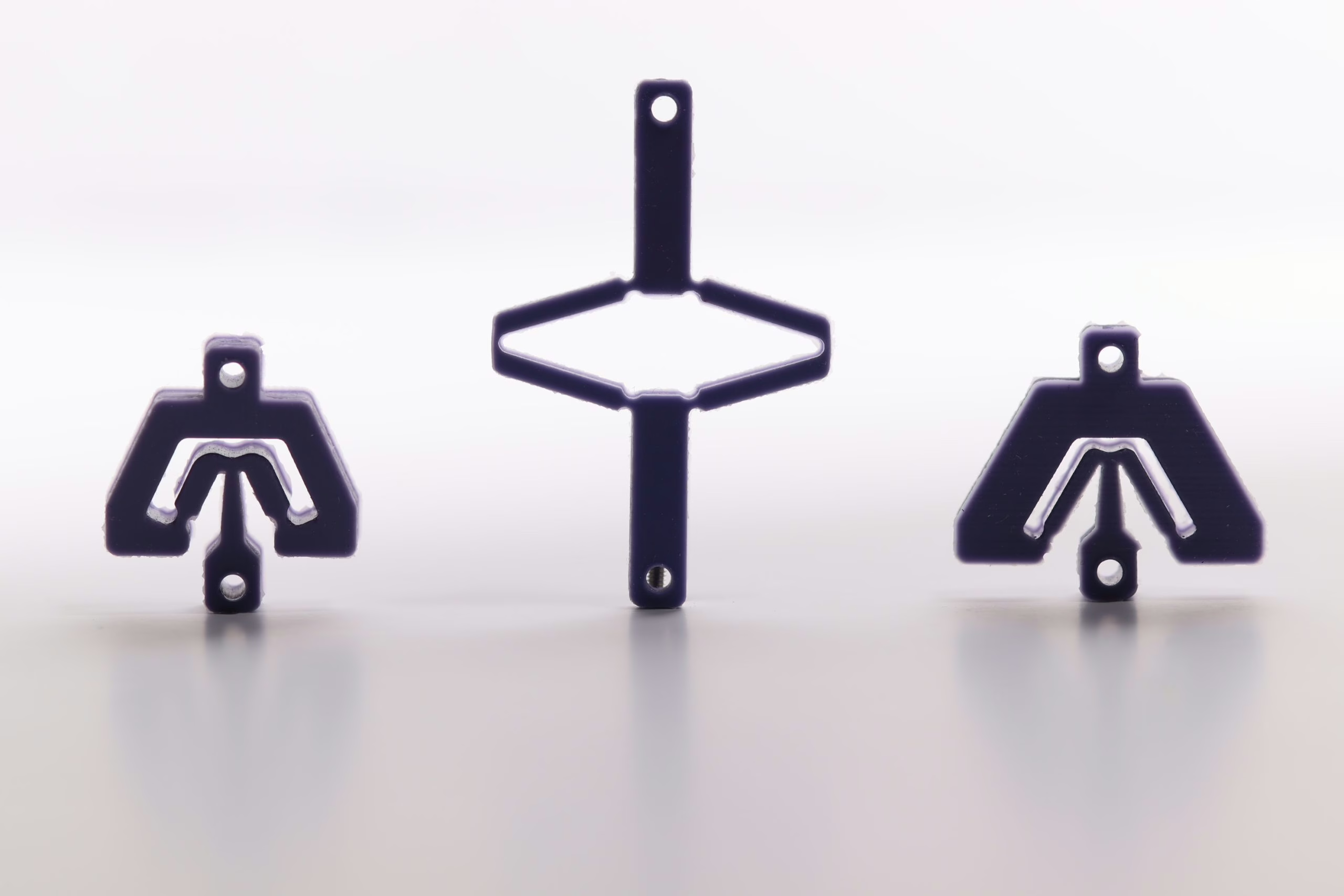
These structures shrink when pulled
Discovery unlocks new exotic properties for soft robotics, smart devices, and more. When you pull something—like a rubber band—you expect it to get longer. But what if it did the…
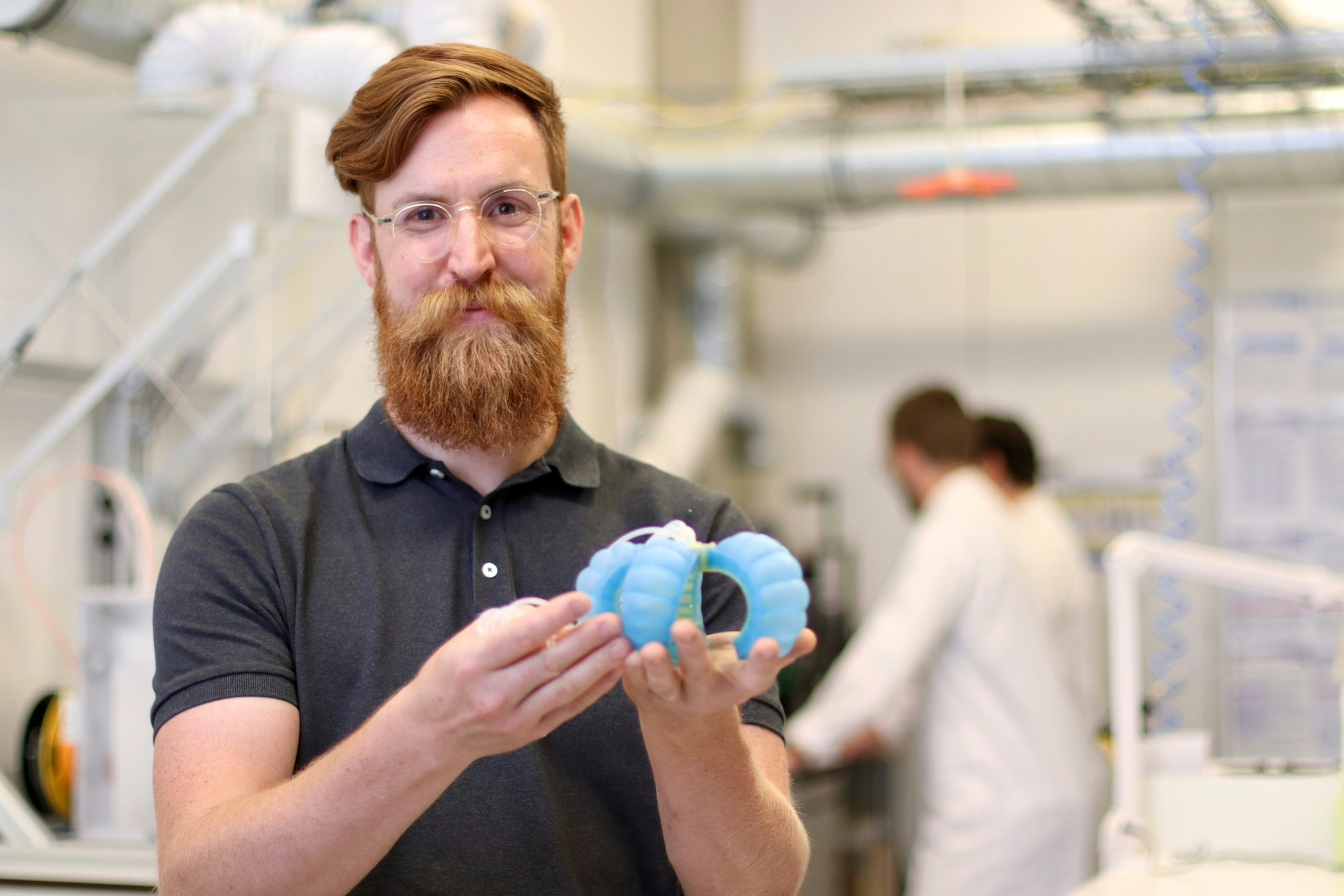
Bas Overvelde shows soft robots on TV program ‘Het Klokhuis’
On January 2, group leader Bas Overvelde appeared on the TV program Het Klokhuis. In the program, which is aimed at children, Bas explained what soft robots are and what they can do.

Bas Overvelde in radio broadcast on: how soft robots can save lives
What do a ketchup bottle and balloons have to do with robots? That was the opening question of an NPO Radio 1 broadcast in which Bas Overvelde, leader of AMOLF’s Soft Robotic Matter Group, appeared. Bas was interviewed in ‘De Nacht van NTR Wetenschap’ to discuss the life-saving potential of soft robots. These flexible robots, made from soft materials, can adapt to their environment and respond to touch. While they’re gentle enough to pick fruit without damage, their potential goes far beyond: by mimicking the human heart, researchers aim to develop a hybrid robotic heart, offering hope for heart failure patients awaiting transplants.
Alberto Comoretto finding answers at MIT
People typically think of robots as hard, metallic objects, but soft robots are on the rise offering many advantages, such as their ability to adapt to the human body and the environment. Alberto Comoretto is a PhD student in the group of Bas Overvelde (Soft Robotic Matter). He shares his experiences of working as a visiting researcher at MIT in Boston for four months.
Soft robot fingers carefully squeeze without sensors
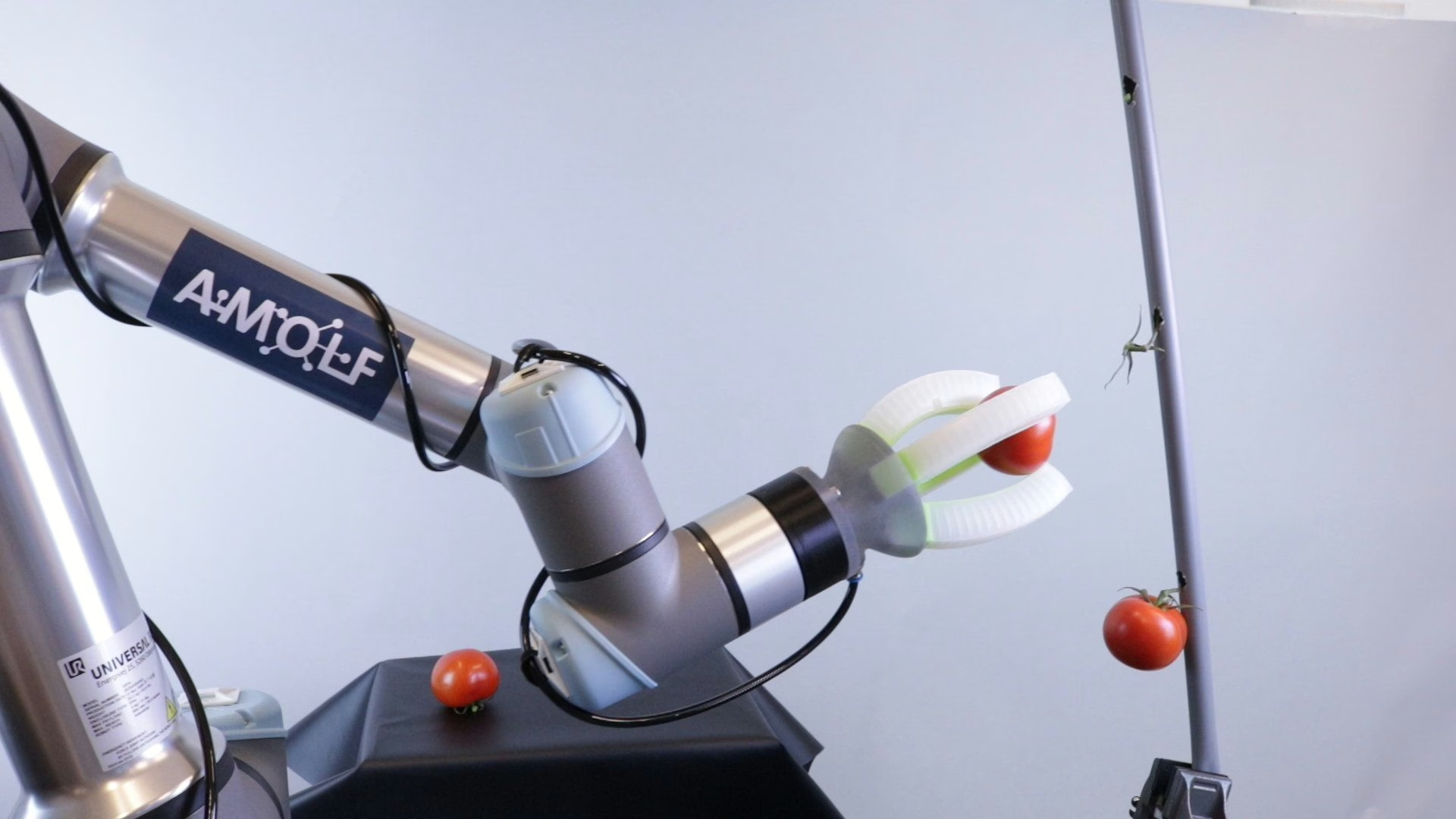
With a brief squeeze, you know whether an avocado, peach or tomato is ripe. This is what a soft robot hand also does, for example, during automated harvesting. However, up until now, such a gripper needed sensors in its ‘fingers’ to determine whether the fruit was ripe enough. Shibo Zou and Bas Overvelde from the AMOLF Soft Robotic Matter Group have developed an external method to measure the interaction of soft robots with their environment that does not require built-in sensors. Furthermore, the technique can be easily applied to a range of existing soft robots. The research was published on January 15, 2024, in the scientific journal Nature Communications.
Soft robots that learn to follow the light
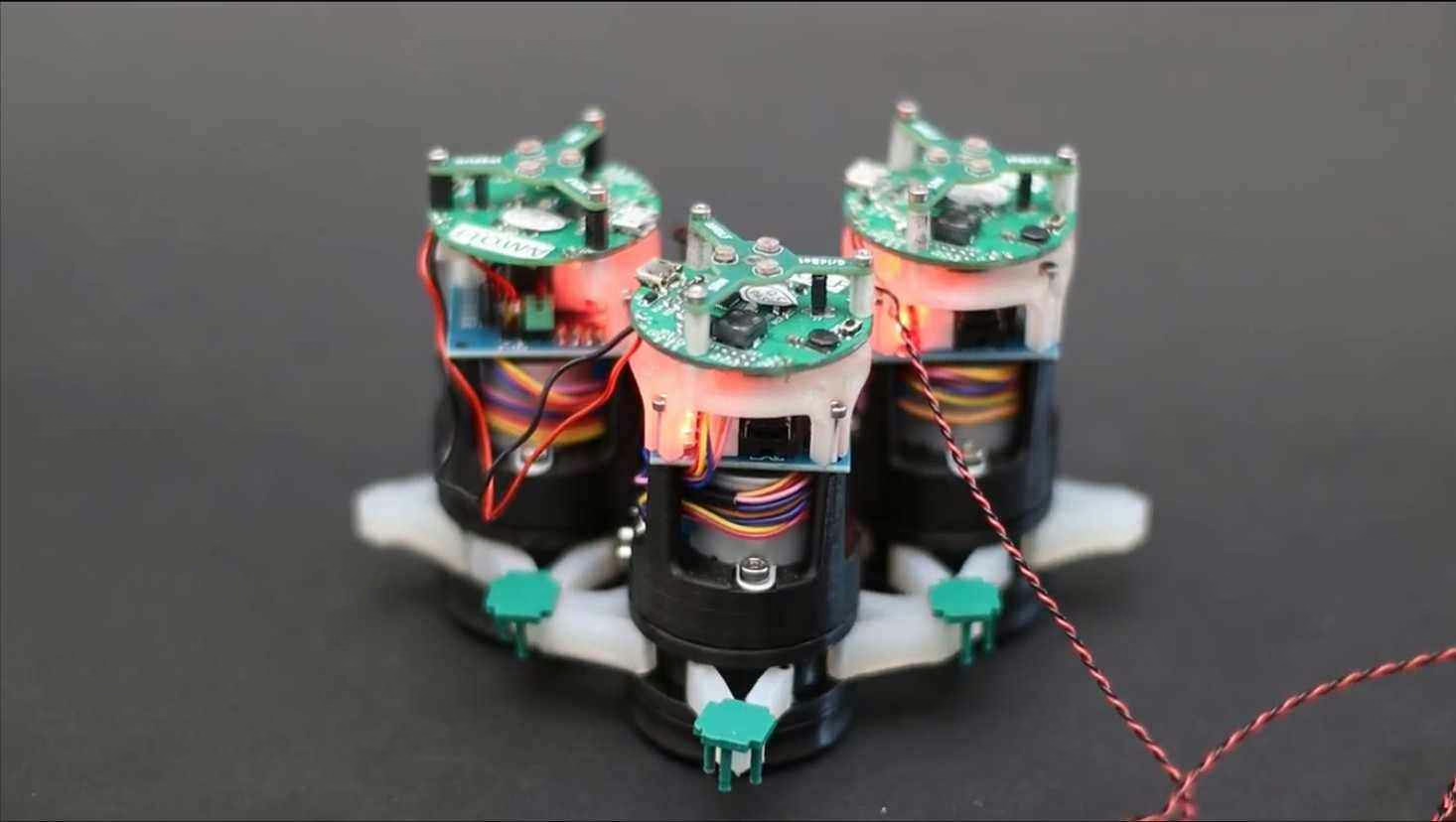
Soft robots made of simple, identical building blocks can learn to move toward a light source without a central controller or explicit communication, according to new research published in Advanced Functional Materials. The study shows how phototaxis, directed movement in response to light, can emerge from local sensing and learning alone. This finding is relevant because it demonstrates how adaptive, goal-oriented behavior can arise in robotic systems without centralized control.