
News & updates
Latest developments from our institute
Stay informed about new research results, awards, events, and collaborations across our scientific community.
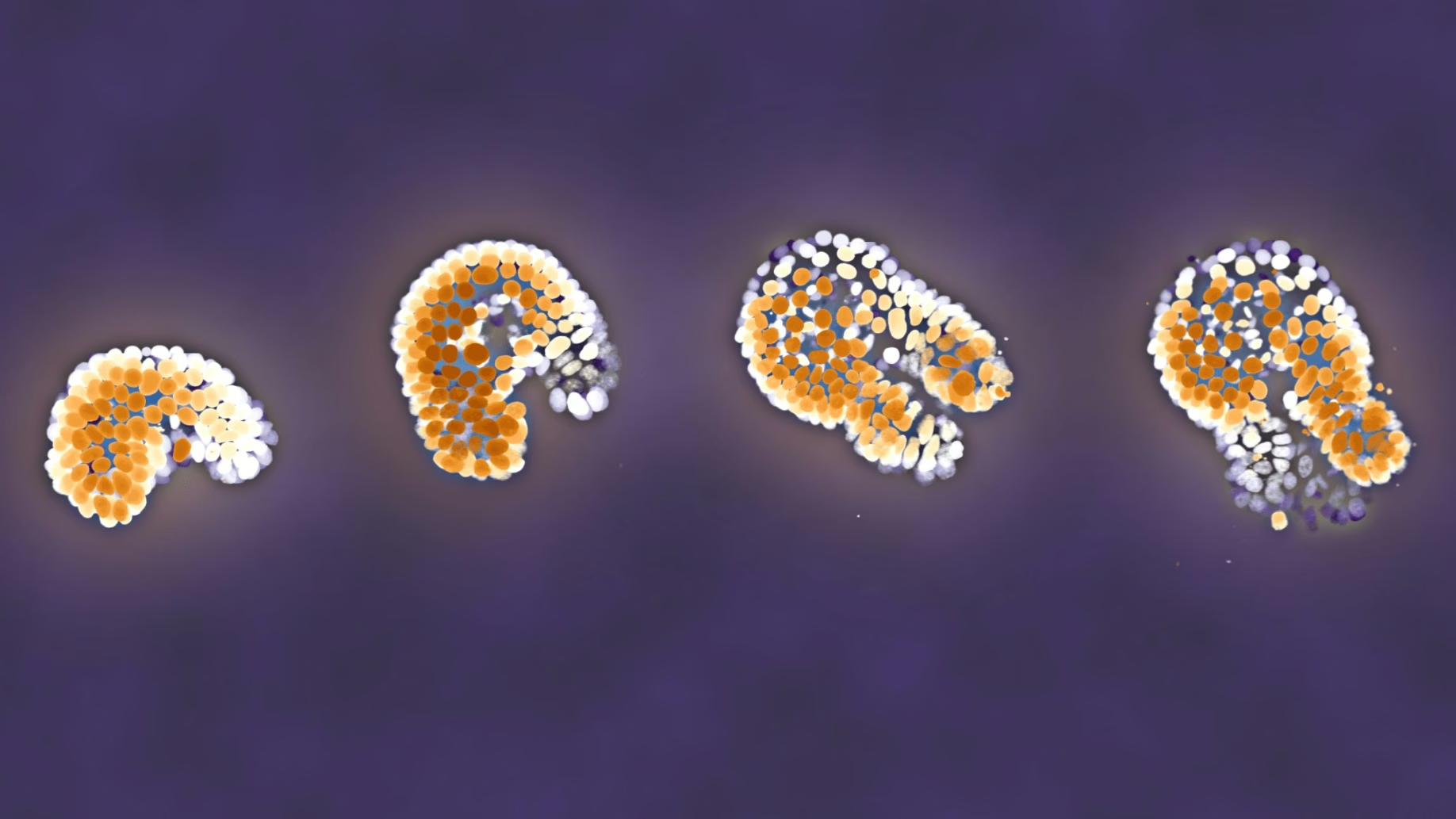
Everything you need to know about organoids
Organoids are instrumental in improving our understanding of processes that are otherwise hidden inside the body. For instance, these small 3D organs can be used to test medicines on tissue grown from a patient’s own cells. AMOLF researchers carry out unique and complex experiments to follow organoids in time. In order to enable other researchers to benefit from their experiences, they now publish their methods in the prestigious journal Nature Protocols.
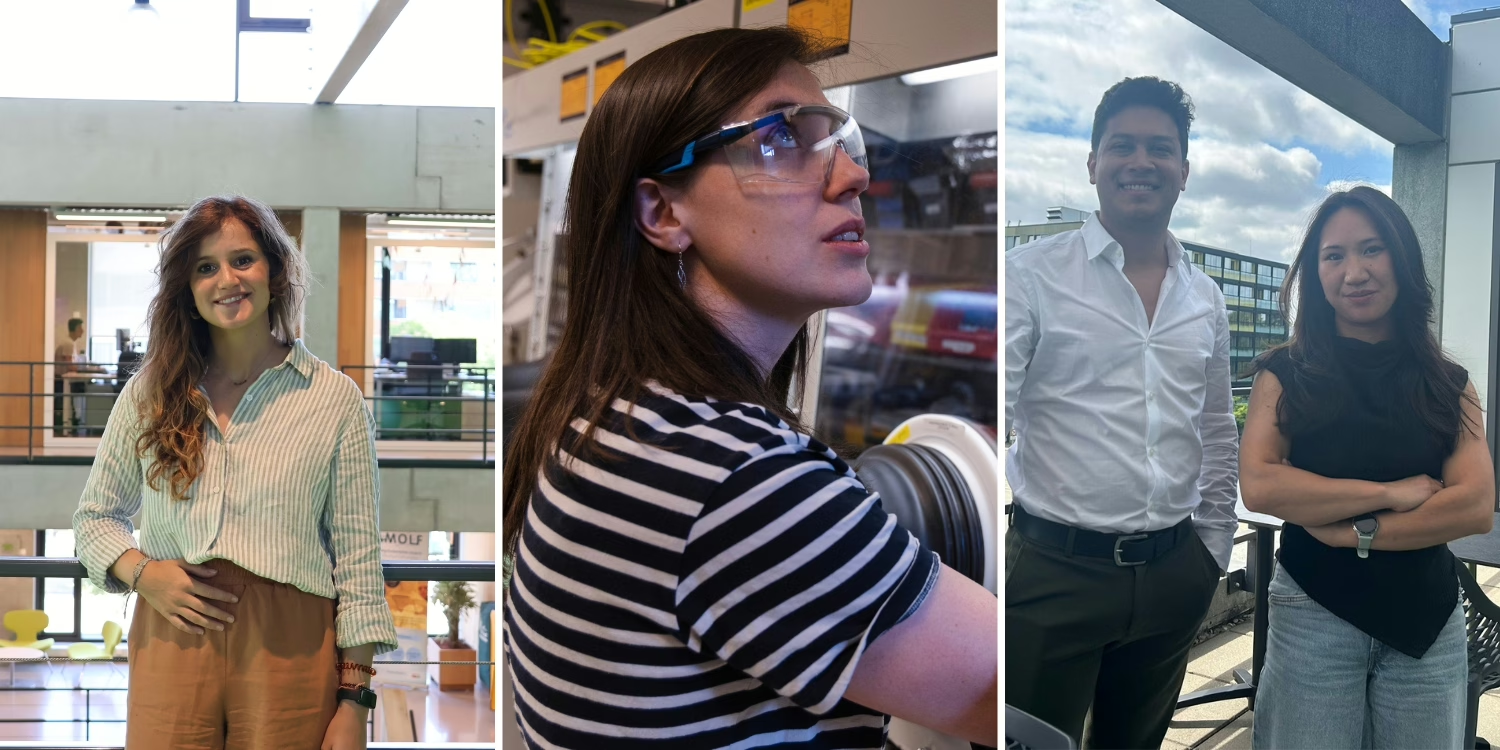
AMOLF researchers with granted NWO XS projects
Last week, three AMOLF researchers learned that their research projects had been awarded funding through the Open Competition Domain Science-XS call. They are Dr. Susanna Eli (Biophysics, Quant. Dev. Biology & Physics of Cellular Interactions), Dr. Sarah Gillespie (Nanoscale Solar Cells), and Dr. Sergio Rey Puentes (Hybrid Nanosystems).
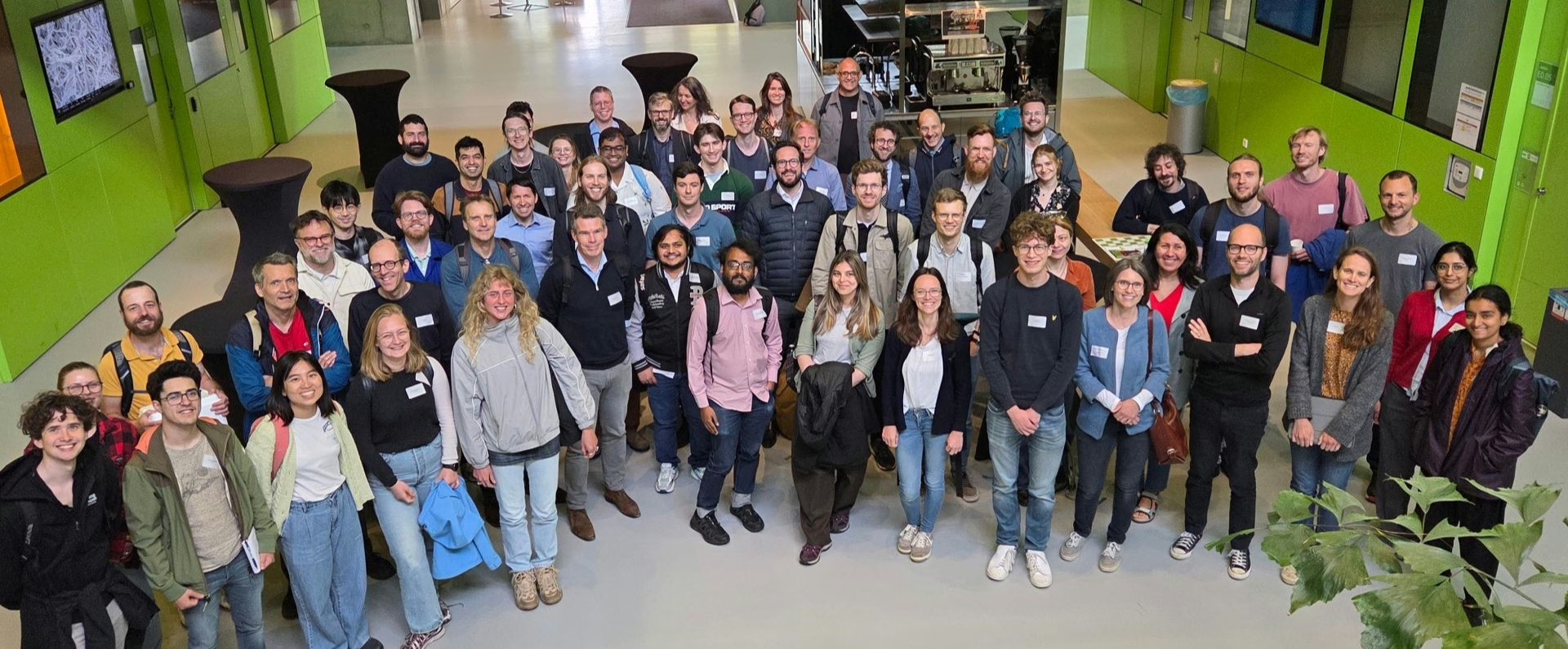
‘Autonomy’ takes center stage at symposium
On June 11, researchers gathered at the Autonomous Matter Symposium to discuss the concept of autonomy from different perspectives. Professor Jay Groves (UC Berkeley) argued that autonomy may not begin with decision-making, but with amplification. Professor Elisabetta Chicca (University of Groningen) offered a complementary perspective from the field of neuromorphic engineering.
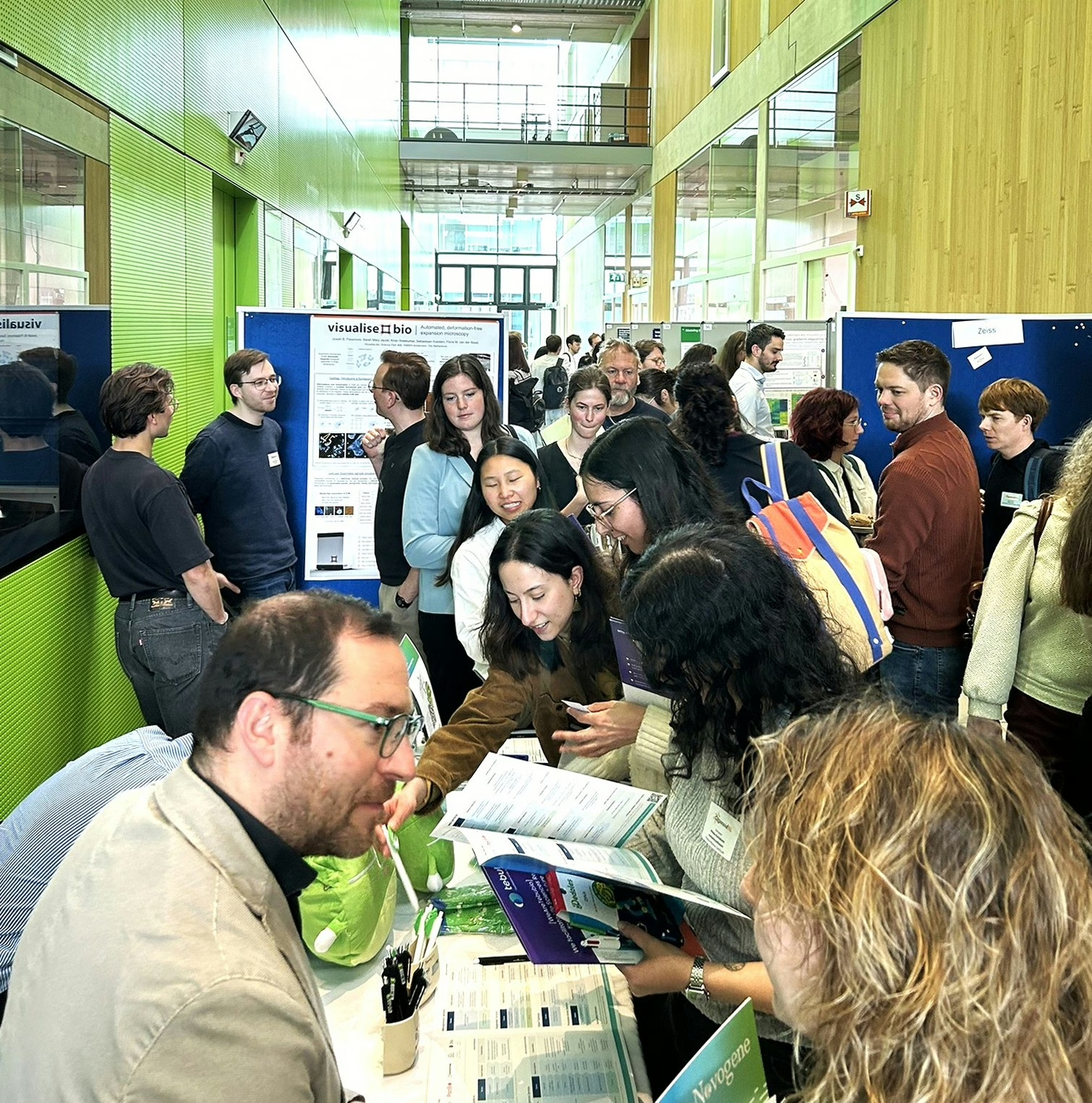
OrganoidNL 2026 brings together Dutch organoid research community
On April 17, around 250 researchers gathered at AMOLF in Amsterdam for the fourth edition of the annual OrganoidNL Symposium. Organoids, which are small, simplified models of organs grown from stem cells in the lab, are powerful tools to study, for example, how our bodies work and how diseases develop.
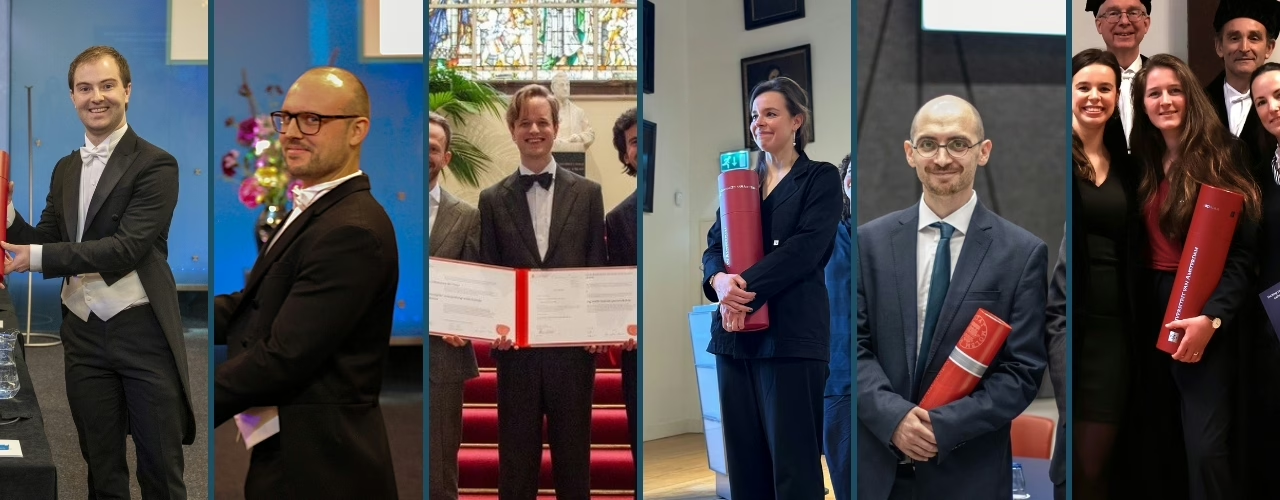
AMOLF kicking off 2026 with six PhD defenses
Left to right: Kasper Spoelstra, Luca Gross, Jeroen de Boer, Nika van Nielen, Sergio Picella, Evelijn Akerboom.Kasper Spoelstra (cum laude) Title: Shedding light on dynamic…
Rhythm contains important information for the cell
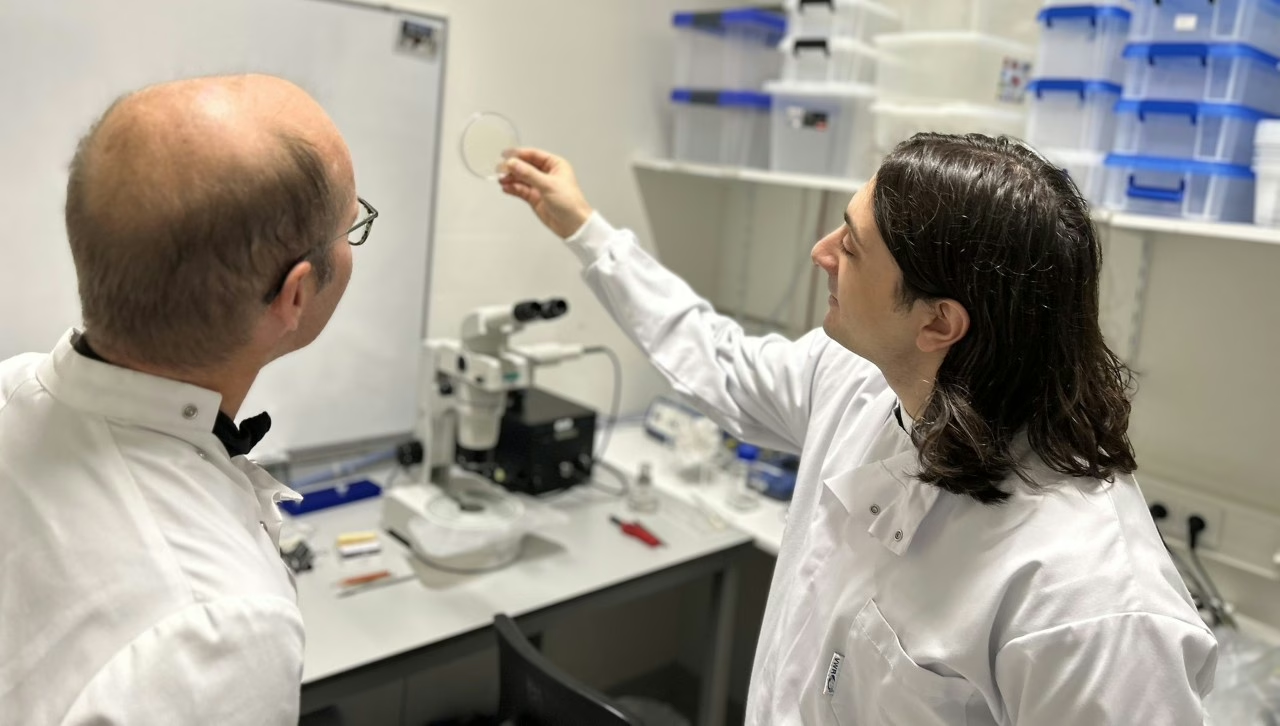
AMOLF researchers discovered a mysterious interplay of insulin signals in the worm C. elegans. The insulin-driven protein DAF-16 does not only move in and out of the cell nucleus in a complex rhythm, it does so at exactly the same moment in all cells of the body. Because of the many similarities between C. elegans and humans, the research may contribute to a better understanding of diseases such as diabetes, cancer and of ageing. The researchers published their findings in the journal Nature Communications on December 11.
New algorithm improves ability to track movements of cells in organs
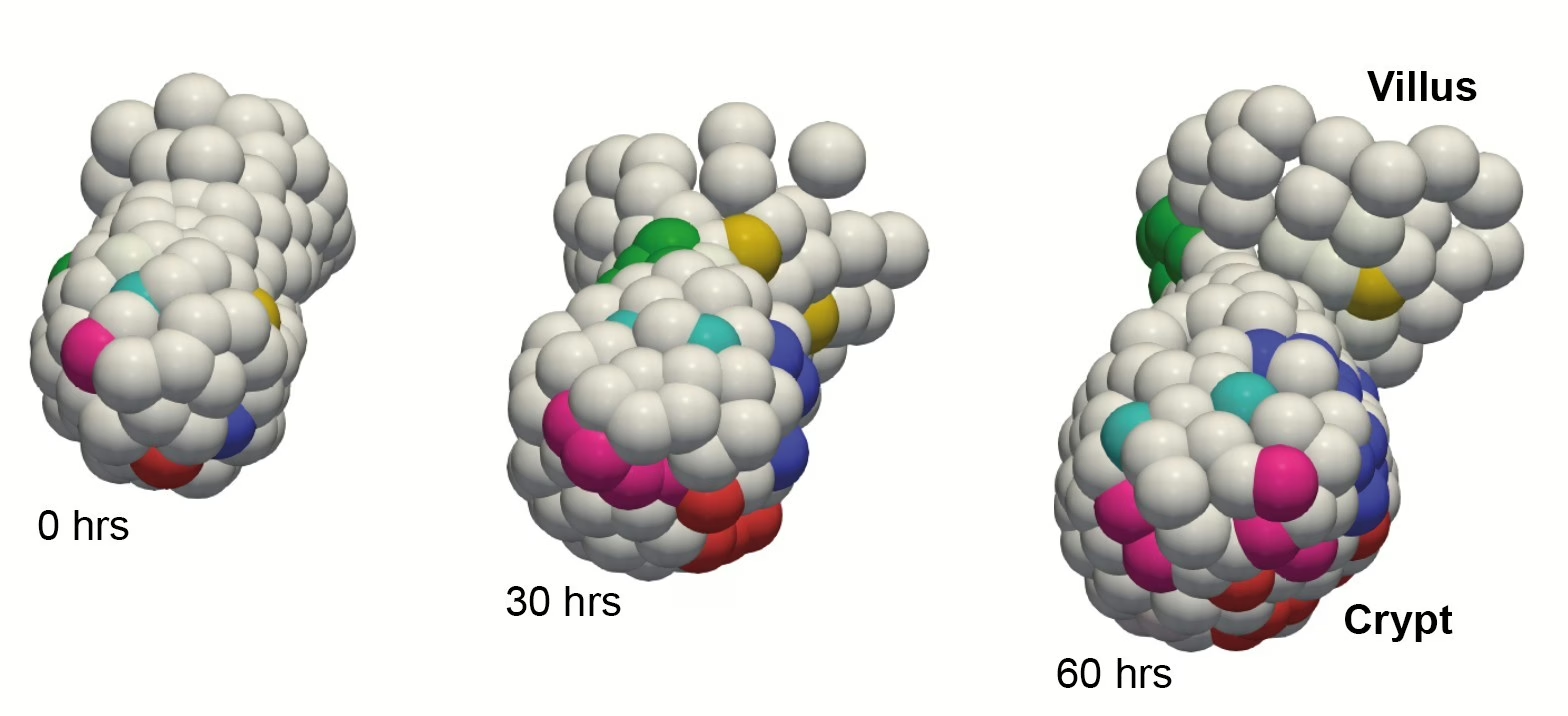
Frustrated by the time cost of manually checking cell tracking data, AMOLF PhD student Max Betjes developed an algorithm to more efficient cell-tracking analysis. He validated this automated analysis on cell movements in miniature organs, and the results are now published in Nature Methods.

Jeroen van Zon appointed professor at Leiden University
As of 1 September, Jeroen van Zon has been appointed professor at Leiden University. The title of his chair is Quantitative Developmental Biology. Jeroen will continue heading the research group with the same name at AMOLF.