
News & updates
Latest developments from our institute
Stay informed about new research results, awards, events, and collaborations across our scientific community.

Veni grants for Eline Hutter and Sven Askes
The Dutch Research Council (NWO) awarded Veni grants to AMOLF postdocs Eline Hutter (Hybrid Solar Cells group) and Sven Askes (Nanoscale Solar Cells group).
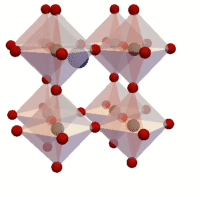
How an old method helps to understand new solar cells
Together with researchers from the University of Konstanz in Germany, researchers at AMOLF rejuvenated an old technique for measuring mobile ions in a promising new group of solar cell materials known as halide perovskites. The results have been published on April 24th in the journal Materials Horizons.
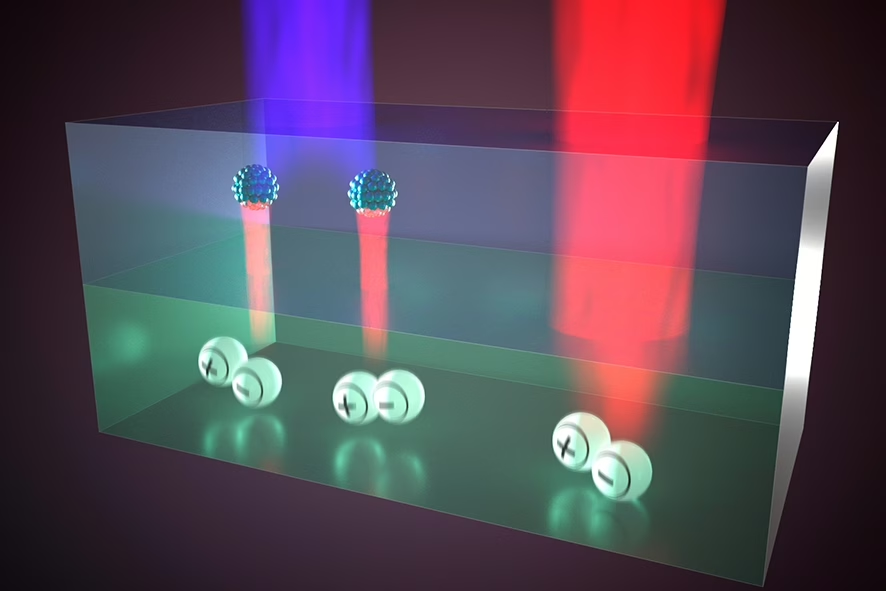
Light multiplication for stable improvement of solar cells
By converting one high-energy light particle into two low energy particles, singlet fission makes high energy photons available for solar cells
WIN Rising Star Award for Bruno Ehrler
Bruno Ehrler (group leader Hybrid Solar Cells) has won the WIN Rising Star Award of the year 2018. The prize is a new initiative from the Waterloo Institute for Nanotechnology (WIN), part of the Canadian University of Waterloo on the occasion of the 10 year anniversary of the WIN. As the inaugural winner, Ehrler received the prize in recognition of his contributions to the advancement of novel solar cell materials and devices.
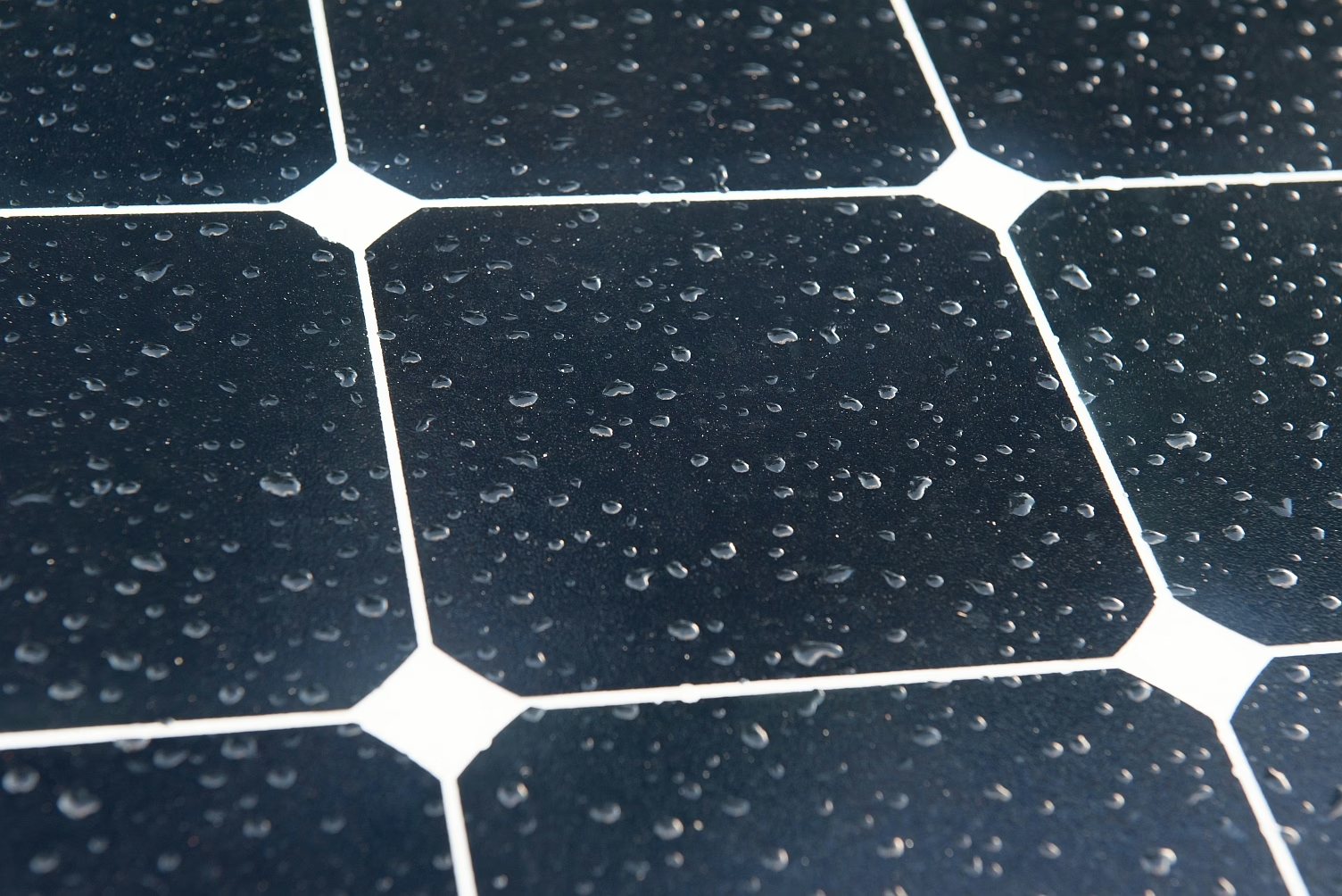
Three AMOLF projects in NWO program Materials for Sustainability
AMOLF participates in three new research projects that will start with funding through NWO’s program Materials for Sustainability (Mat4Sus). To enable a smooth transition from fossil fuels to a more sustainable source of energy we need a wide range of materials. The AMOLF groups contribute to the energy transition by enlarging the efficiency of solar cells and developing thinner foils and colored panels.
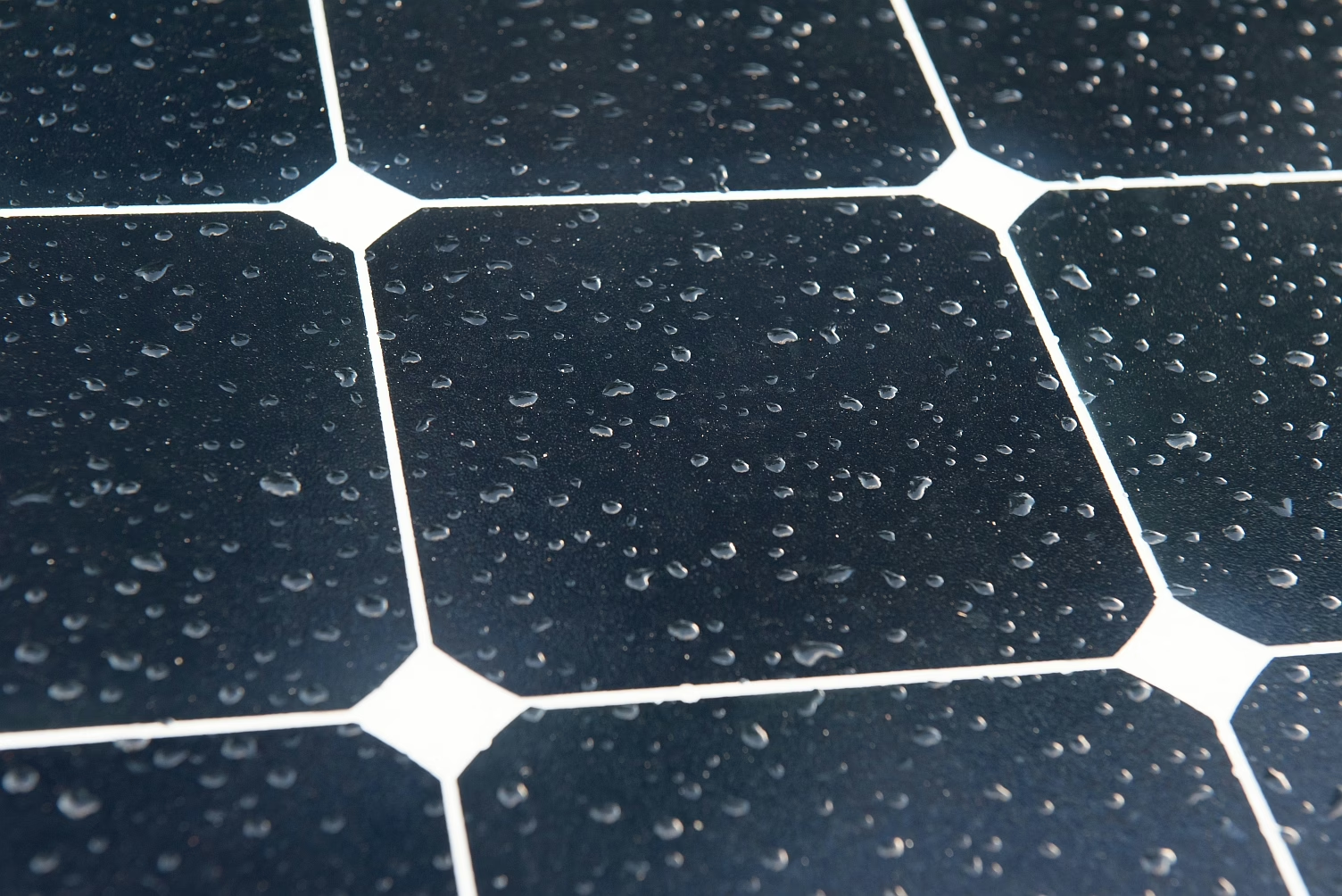
Newest solar cells underperform in cloudy countries
To determine how efficient new solar cells convert sunlight into electricity, small sample cells are tested under ideal conditions. However, the reported efficiency is not very representative of the actual annual yield when the cells are placed onto a rooftop and exposed to the Dutch weather. In a recent article in ACS Energy Letters, AMOLF researchers present a model that predicts how the next generation of solar cells will perform under realistic conditions.
NWO Vidi grant awarded to Bruno Ehrler
AMOLF group leader Bruno Ehrler has been awarded with an NWO Vidi grant. The grant enables Ehrler to study a promising new material for solar cells. NWO has awarded a total of 89 experienced researchers a Vidi grant that is worth 800.000 euros.
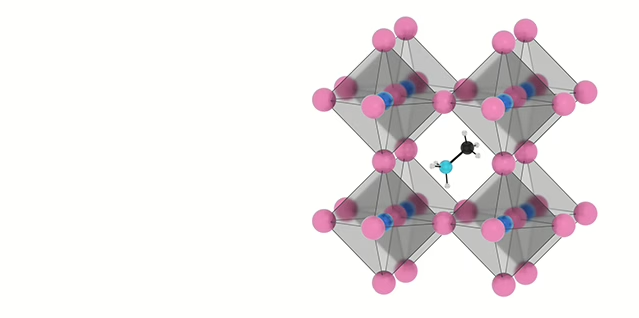
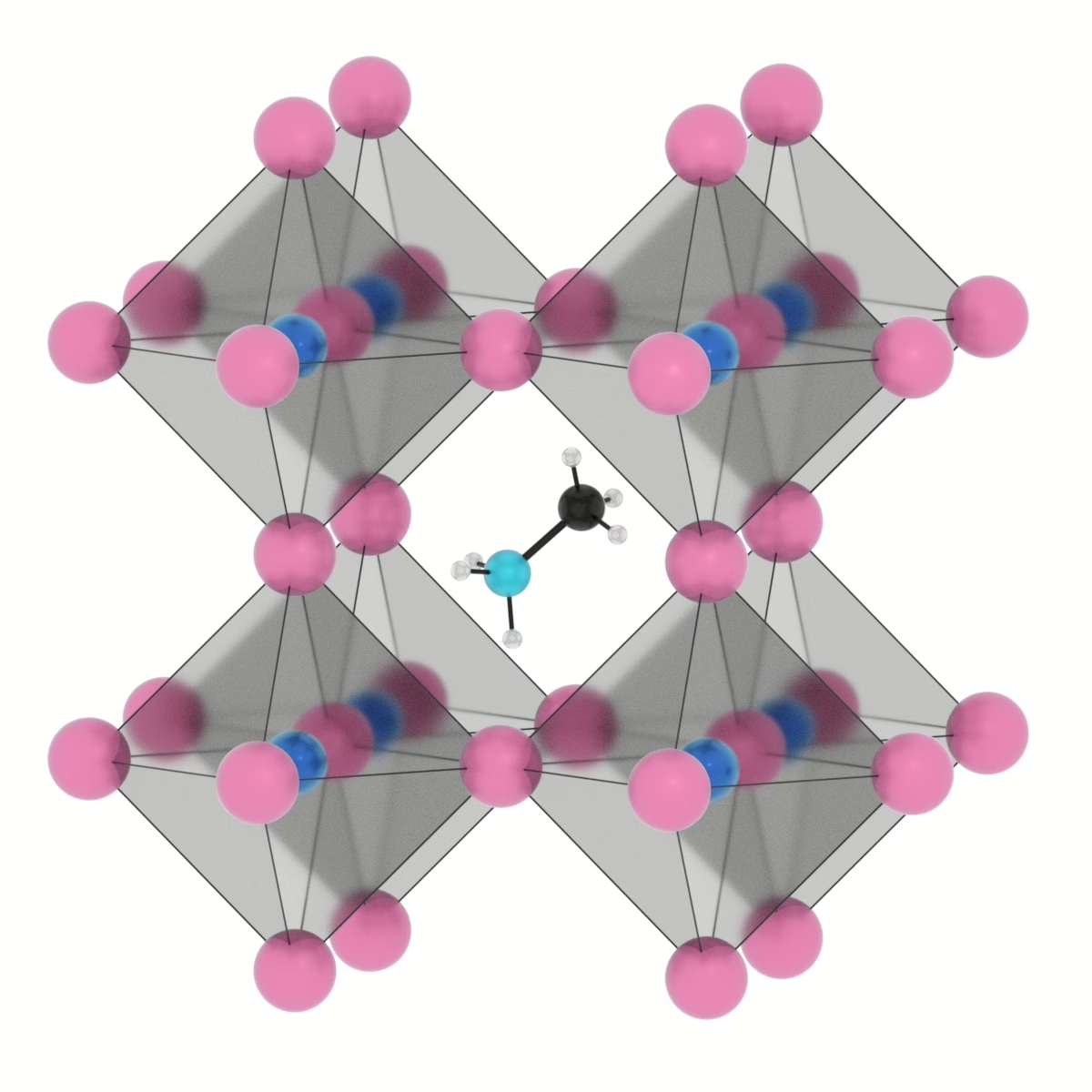
Solar cell wonder material surprises researchers : Unexpected experimental results lead to a better understanding of promising perovskite
Physicists at AMOLF have unraveled the mysterious working mechanism of a promising new class of materials for solar cells. Their pressure experiments with perovskite semiconductors had very counter-intuitive results, which could not be explained by the theory for conventional semiconductors. However, the results matched surprisingly well with a novel theory developed at Imperial College in London, predicting a peculiar band structure in perovskite materials. “Theory and experiments came together perfectly and helped us solve an important part of the perovskite puzzle”, says AMOLF group leader Bruno Ehrler, who published the results in Energy & Environmental Science on 23 December 2016.