
News & updates
Latest developments from our institute
Stay informed about new research results, awards, events, and collaborations across our scientific community.
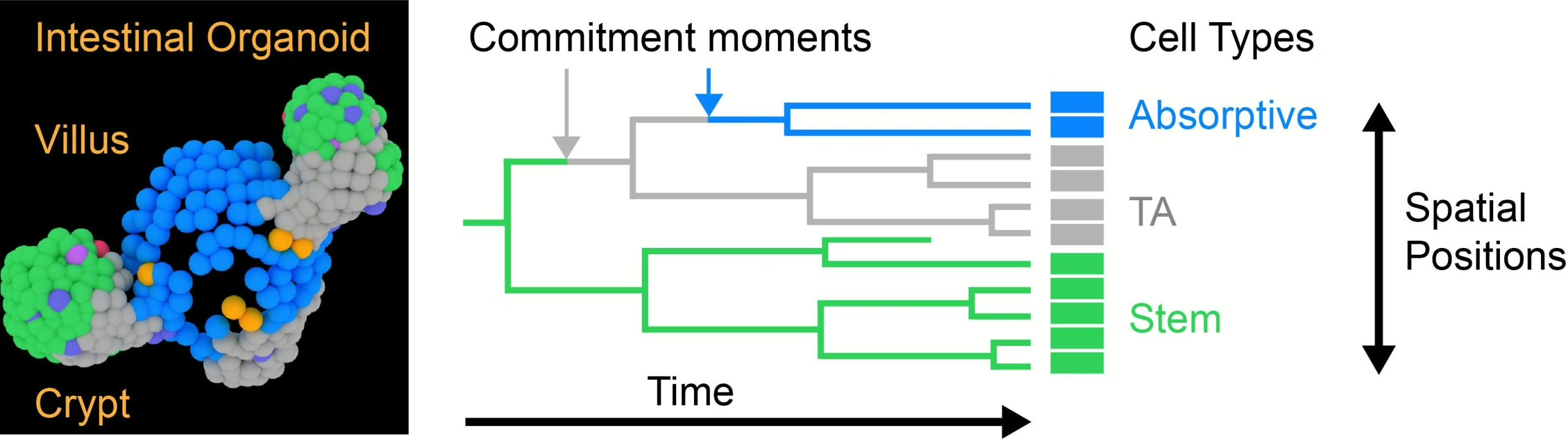
How do stem cells choose their identity?
AMOLF researchers discovered that stem cells first specialize into a functional cell and then move to the proper location – rather than the other way around.
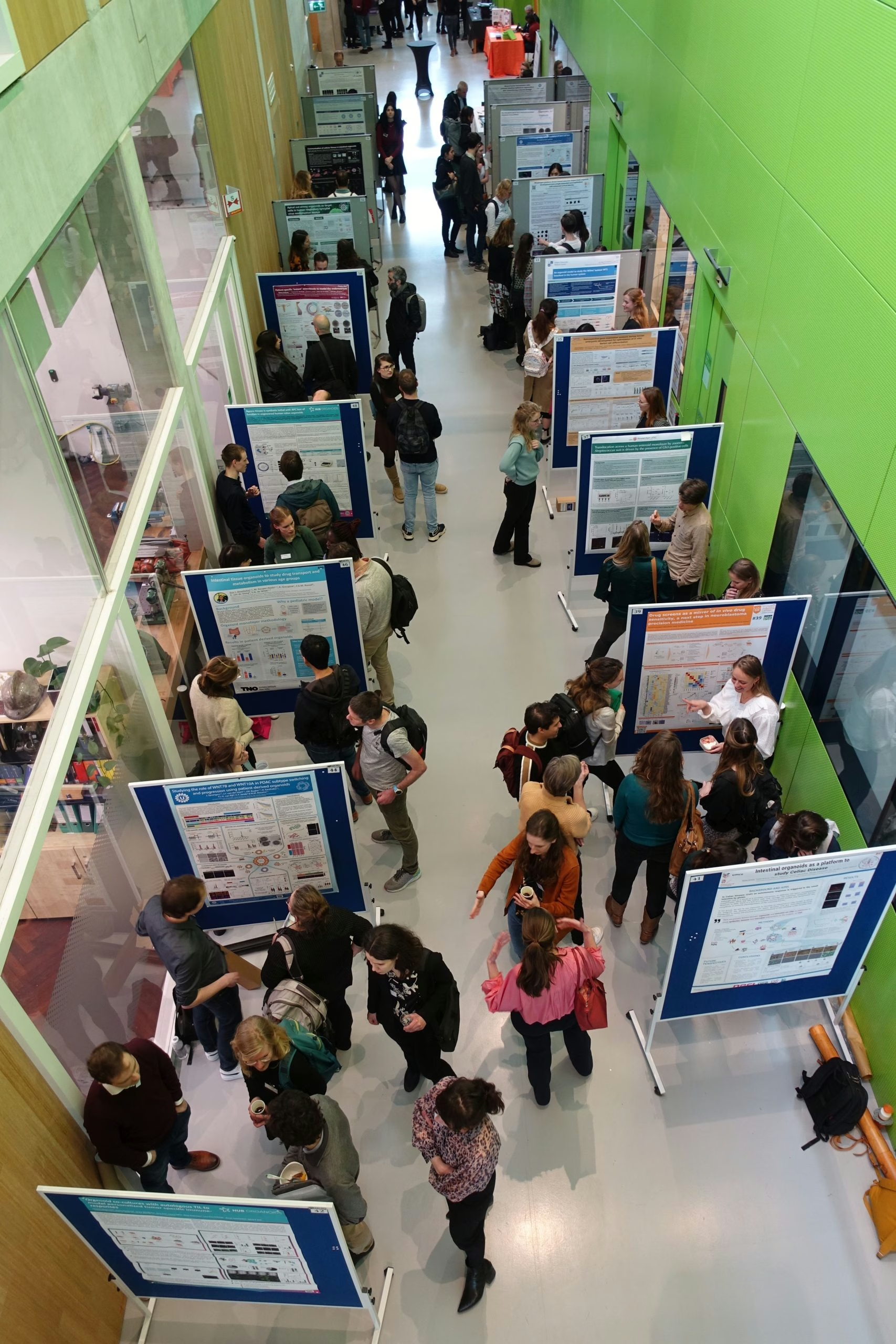
OrganoidNL 2023: A successful showcase of organoid research in the Netherlands
On March 31st, 2023, the first OrganoidNL Symposium was organized at the AMOLF institute in Amsterdam. This one-day event brought together researchers from across the Netherlands with an interest in embryo-like structures and organoid technology and biology. With this symposium, the organizers aimed to further galvanize the already strong organoid research in the Netherlands by providing a platform for knowledge exchange and collaboration.

ERC Synergy Grant for AMOLF-Heidelberg-ETH team
A prestigious ERC Synergy Grant worth 9.4 million euros has been awarded to the research groups of Sander Tans (AMOLF), Bernd Bukau (Heidelberg University) and Nenad Ban (ETH). The team aims to elucidate a new mechanism to explain how protein complexes are formed – the complex molecules that execute all main biological functions. Sander Tans also holds a professorship at Delft University of Technology.
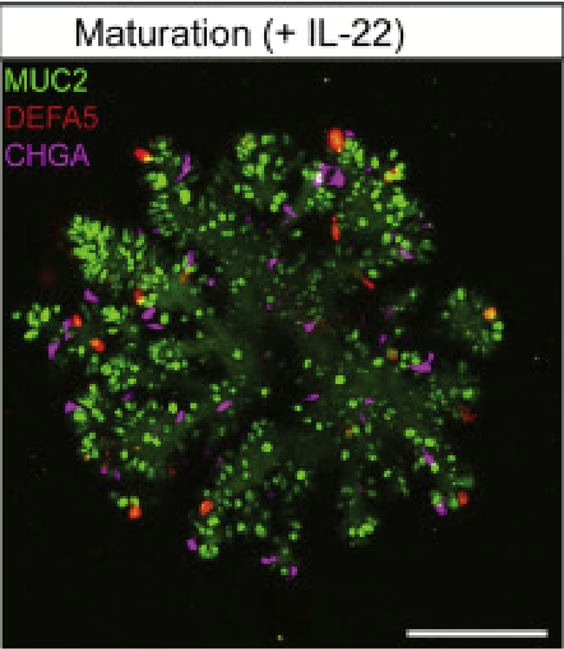
Optimization of human small intestinal organoids
Collaborating scientists have improved human small intestinal organoids – miniature versions of the small intestine. This will help them to better study the functioning of the small intestine. The scientists from the Hubrecht and AMOLF institutes, and various other collaborators developed organoids that contain mature Paneth cells, which were not present in the earlier human small intestinal organoids. The results of the study were published on 23 August in Cell Stem Cell.
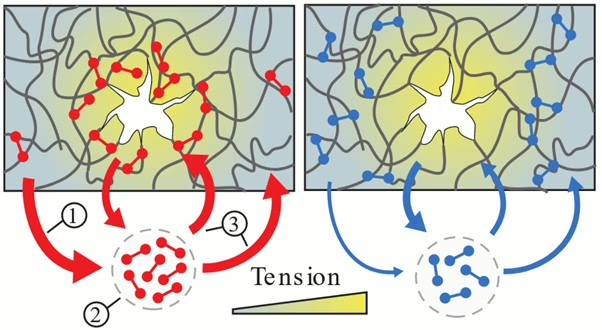
Cells: strong at the right place and time
Researchers from TU Delft and AMOLF discovered how certain molecular bonds make living cells both flexible, in order to move, as well as strong, in order to withstand forces. Paradoxically, it turns out that these force-sensitive catch bonds are weak and inactive most of the time, but travel to specific places where and when cells become damaged. This discovery is published in Nature Materials.
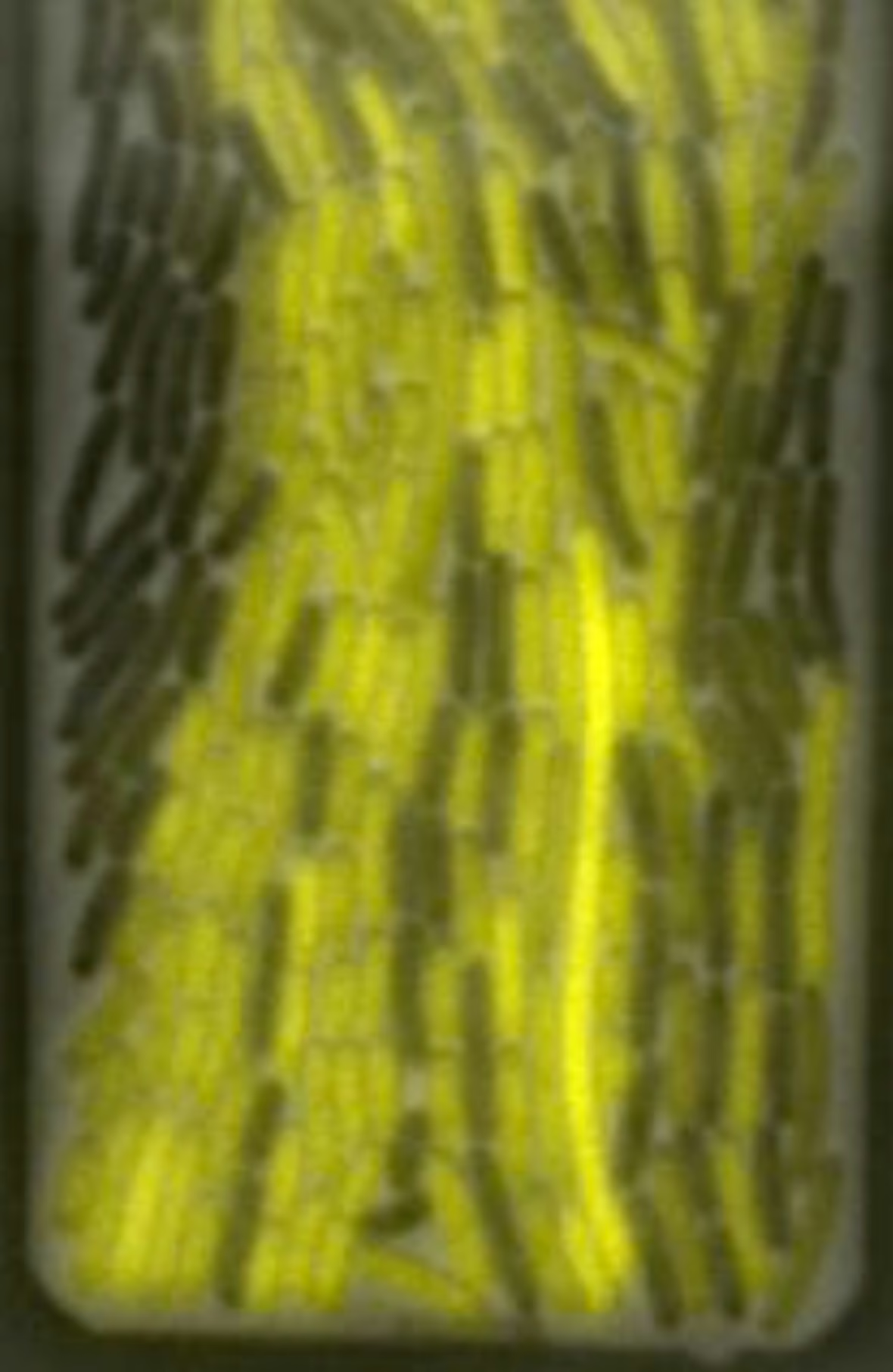
First study of CRISPR-Cas defense in individual cells shows remarkable variability
Specialists in single cell dynamics of research institute AMOLF together with CRISPR-Cas researchers of TU Delft were able to measure for the first time how quickly a single cell can build new memory and remove invading DNA using the CRISPR Cas system. Remarkably, they noted a large variability between individual cells in different populations. The results were published on April 25, 2022 in the open access scientific journal Molecular Systems Biology.
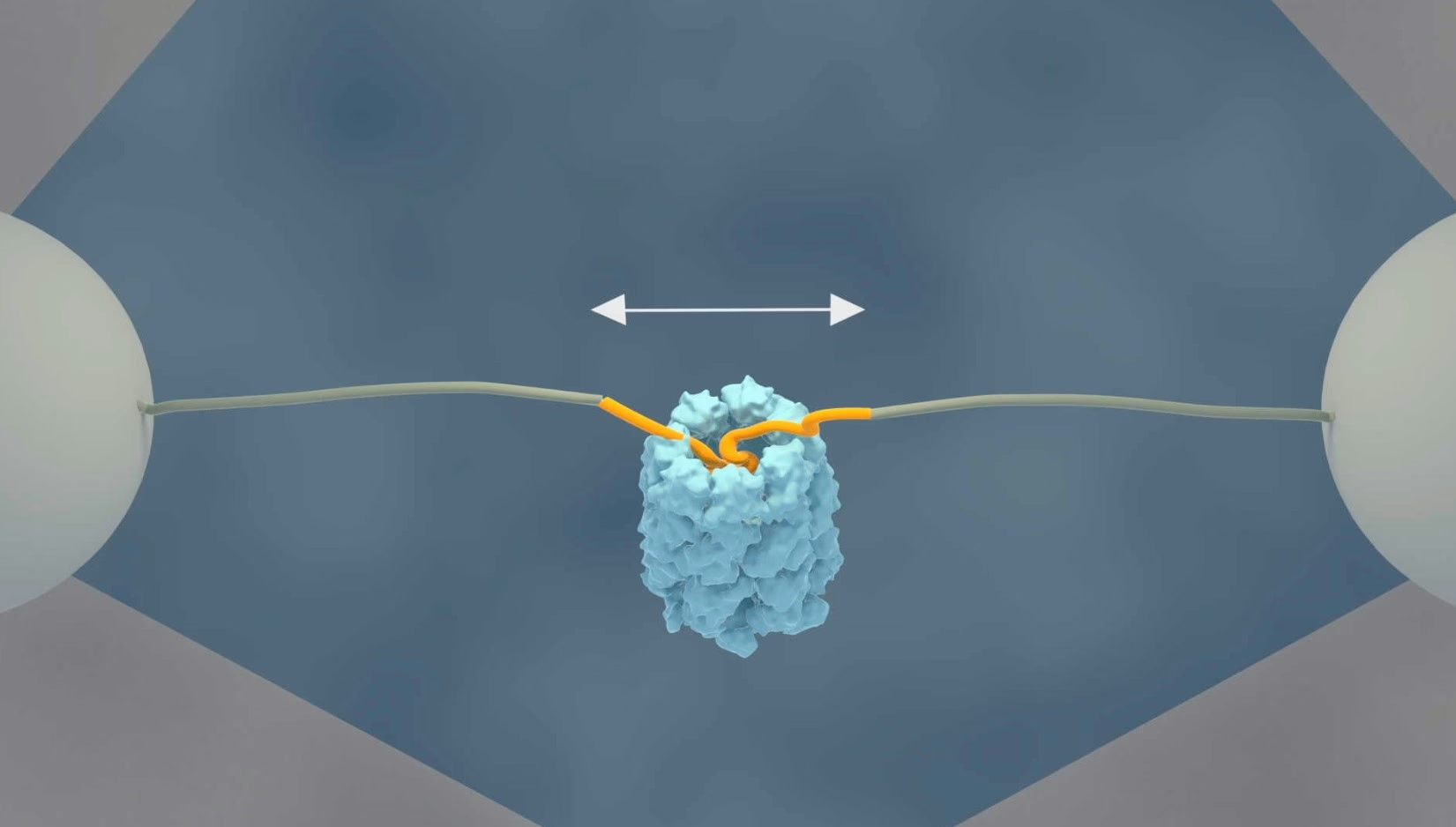
A magic top hat for protein folding
Following a single protein inside the cavity of a GroEL chaperone for the first time, researchers at AMOLF led by professor Sander Tans discovered how protein folding can be accelerated. Amino acid chains are pulled inside the open cavity of the chaperone, where they collapse on top of themselves and fold. The findings have implications for our understanding of cellular protein control and folding diseases. The research was published in Science Advances on March 4th.
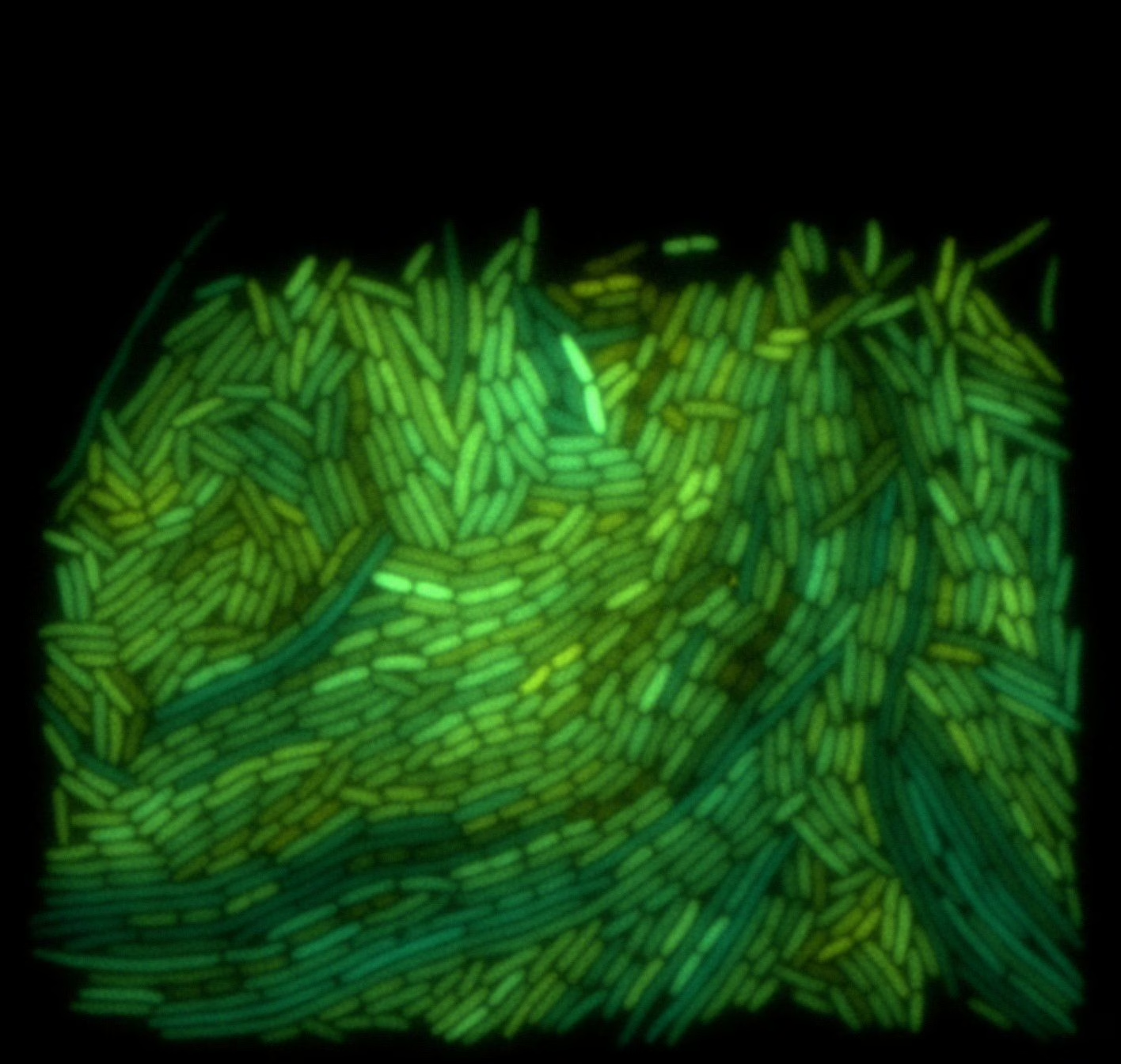
Signal discovered that connects cell size with cell growth
The mechanisms connecting growth with cell size have been mysterious – up till now: in a recent publication in Current Biology, researchers from AMOLF and TU Delft have uncovered that the signaling molecule ppGpp is essential to regulate cell size. Surprisingly, they also discover cells adjust their sizes to concentrations of ppGpp, rather than strictly according to growth rate.