Introduction to AMOLF
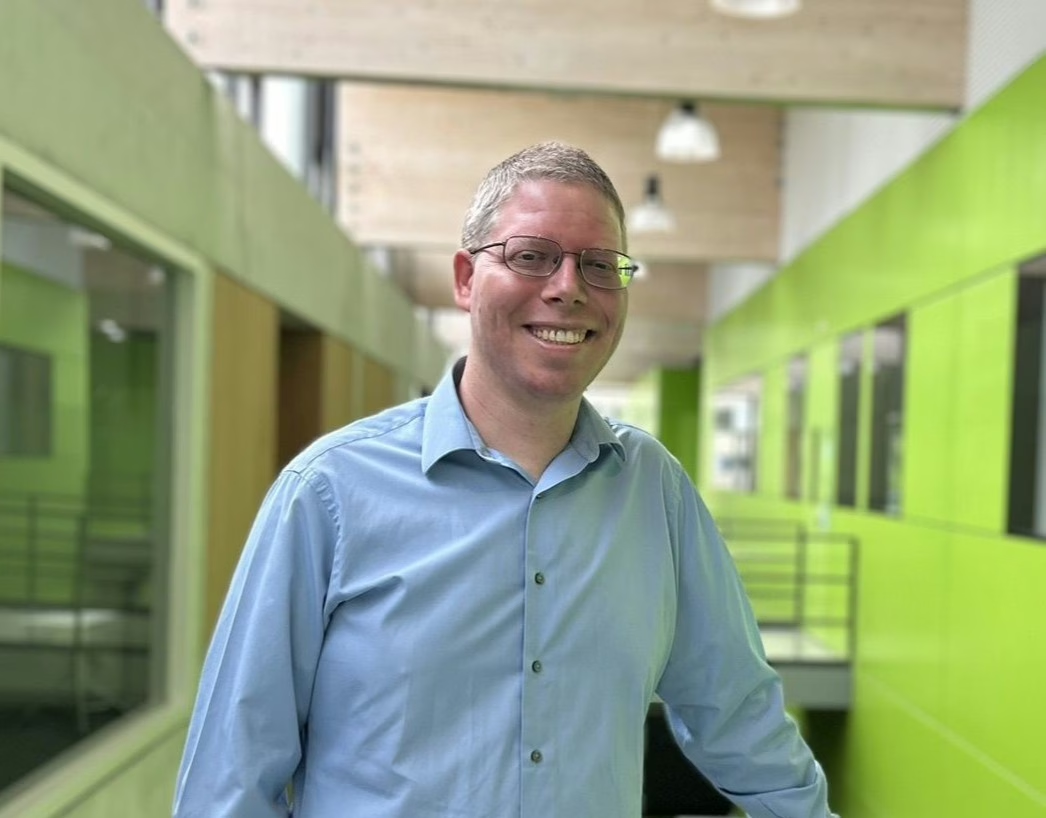
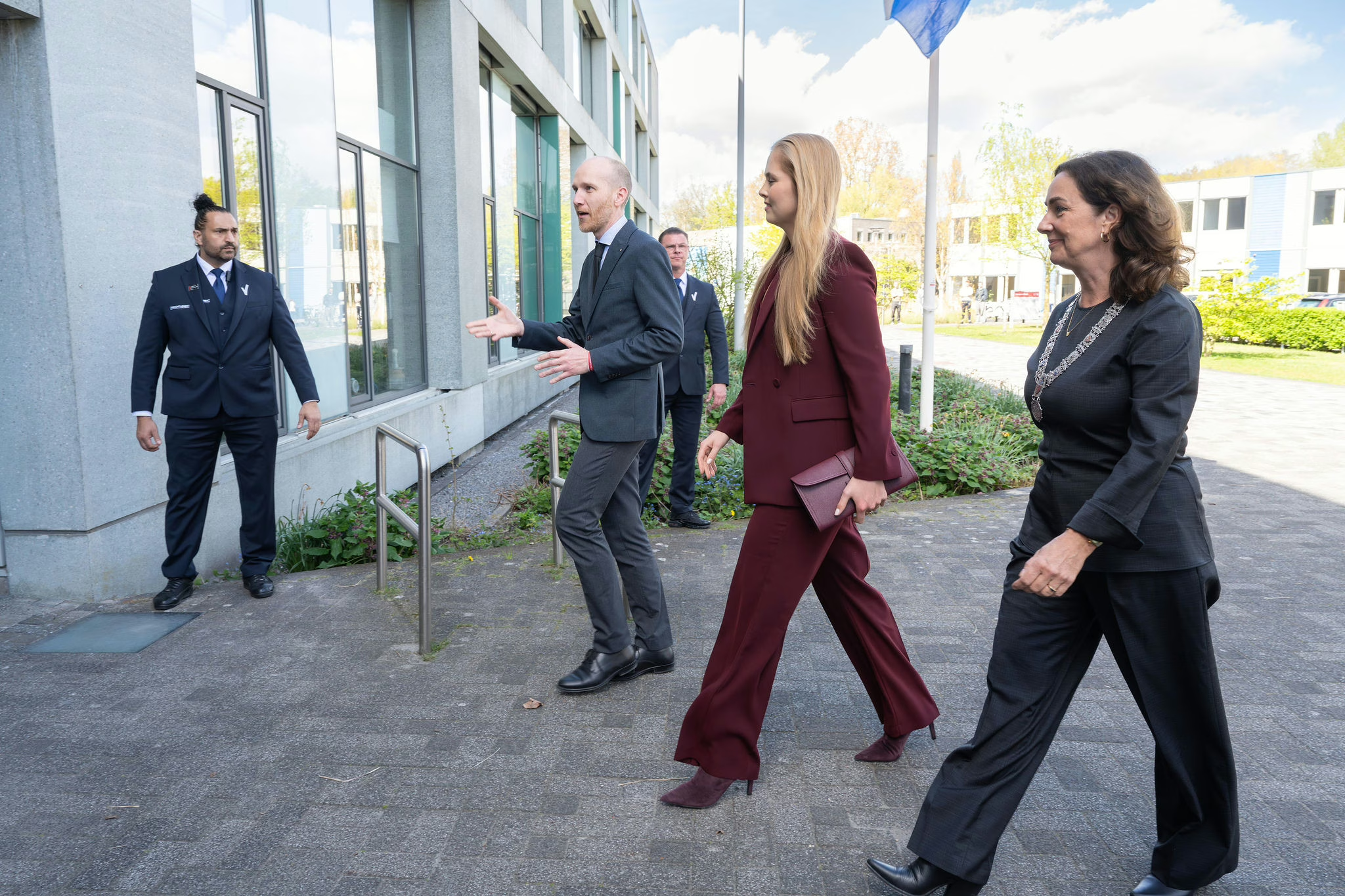
The Princess and Mayor Halsema were welcomed by director Bruno Ehrler, who introduced AMOLF as a national research institute that is part of NWO, the Dutch Research Council.
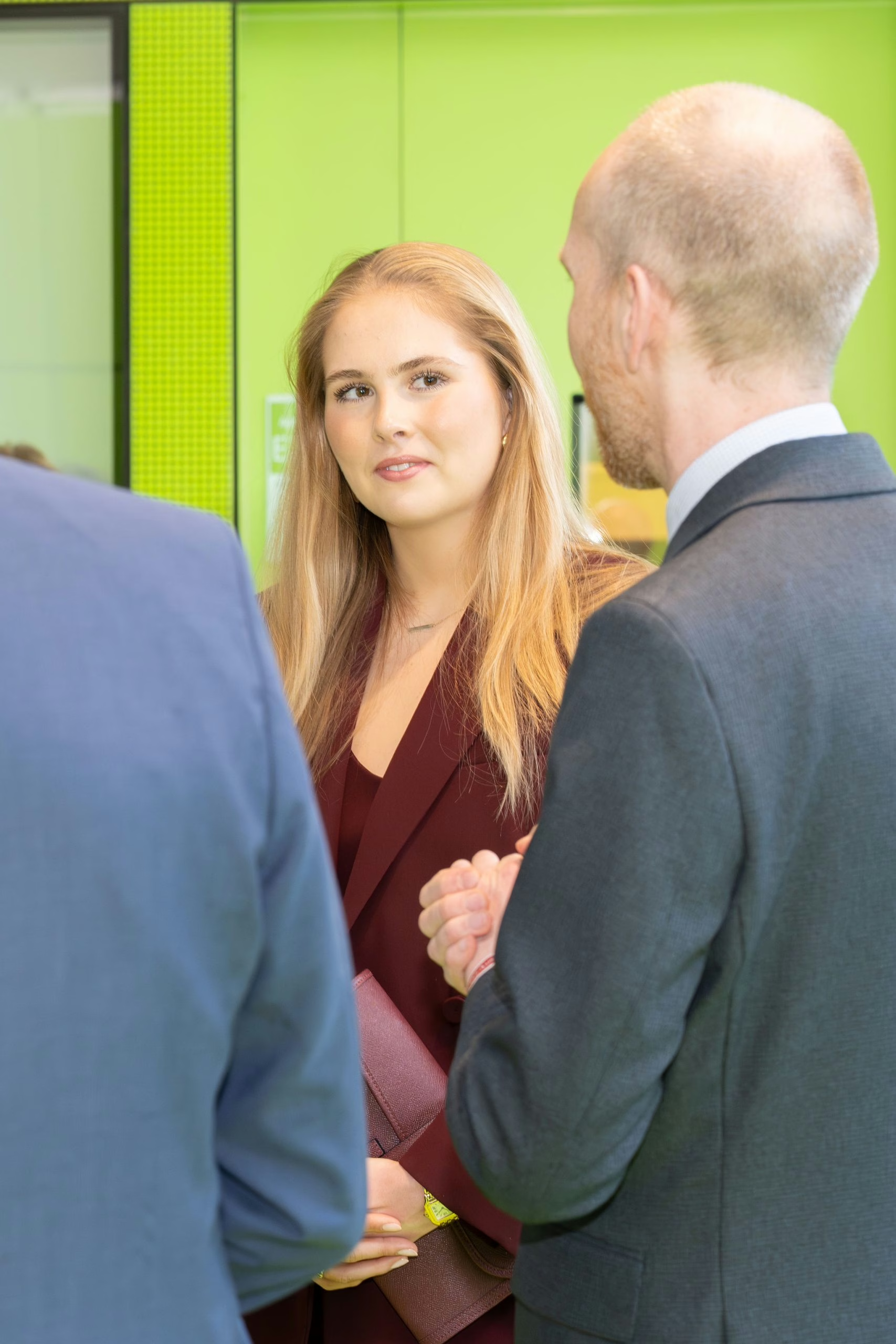
“At AMOLF, we work in a highly interdisciplinary way on solutions for the future”, says Bruno. “Our research focuses on materials that each have a specific function. That can be processing information, as in new types of computer chips. It can also be autonomy, where a material can act on its own, as seen in cells in the human body or in small robots. And it can be generating energy, as in a solar cell, which we will explore today.”
Solar energy, currently the fastest-growing source of energy worldwide, formed the central theme of the visit. Bruno outlined how AMOLF’s research spans from understanding materials at the atomic scale to developing new solar cell technologies, including innovative materials such as perovskites, which can be produced more simply and potentially more efficiently than traditional silicon-based solar cells.
Solar cell lab
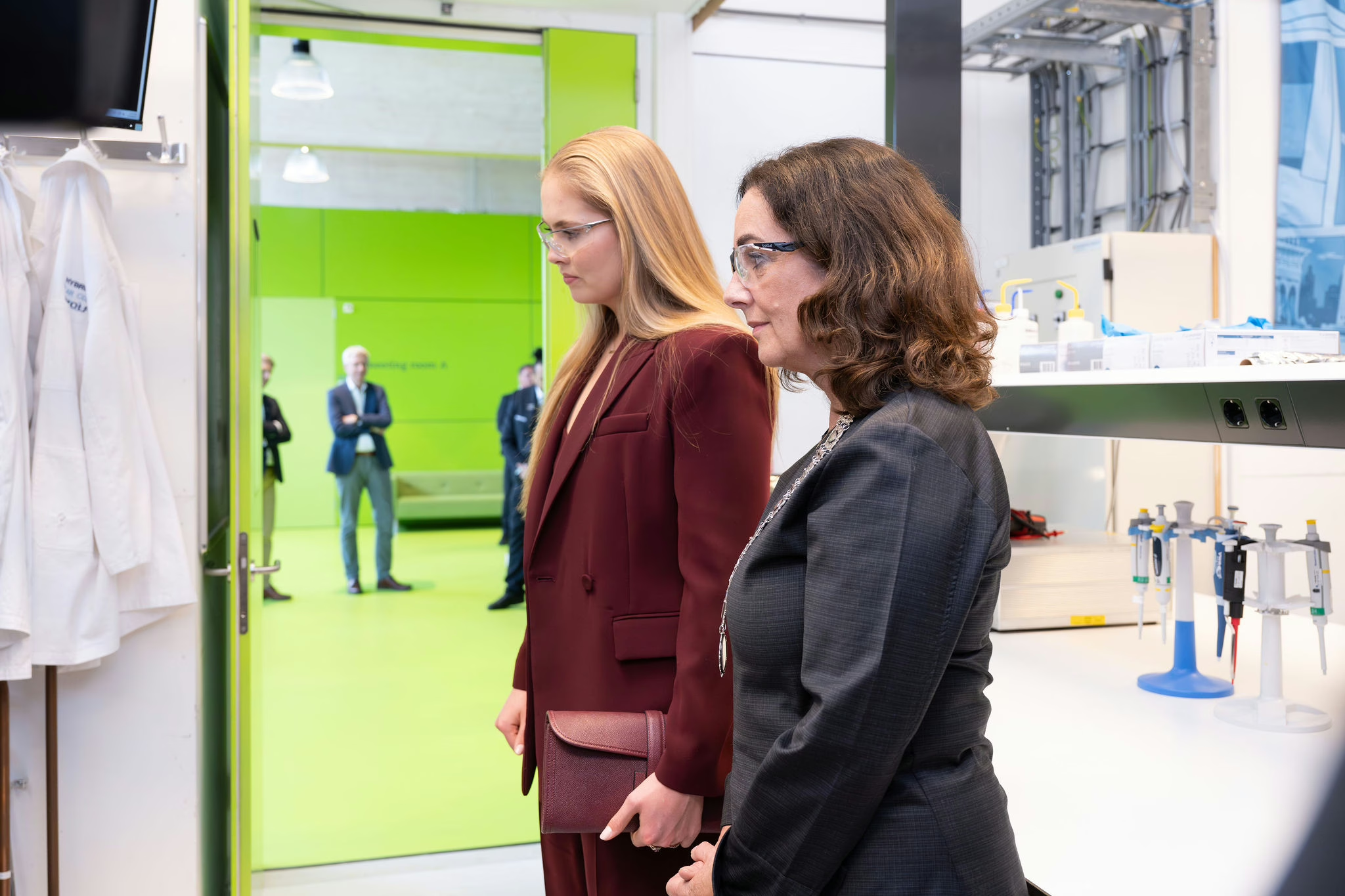
The visit continued in AMOLF’s solar cell lab, where perovskite materials are developed. Perovskites are a type of semiconductor, particularly well suited for solar cell applications. They can, for example, be used in flexible solar cells or solar cells that are integrated into building materials. PhD students Linde van de Ven and Larissa van de Ven demonstrated ‘spin-coating’ of these perovskite materials. This is a technique used to apply thin layers of materials onto a substrate. They showed that the perovskite thin films started to fluoresce under UV light. This photoluminescence is an important property for solar cells.
PhD student Lars Sonneveld demonstrated making perovskite materials in a self-driving autonomous lab. In this setup, a robot carried out the spin-coating process. It is driven by artificial intelligence, which allows it to learn from the results and suggest a new experiment for the next sample. In this way, the robot can operate completely autonomously and discover new materials very efficiently.
SolarNL program
Following the lab visit, AMOLF solar energy group leader Albert Polman introduced the Princess to the SolarNL program, a national consortium of universities, research institutes, TNO, and companies working to develop Dutch solar technologies and bring them to market. He showed a roof tile with an integrated flexible perovskite solar panel, connecting the lab-scale materials that Princess Amalia and Mayor Halsema had just seen to real-world applications made by technology institutes and companies. Next, Albert outlined how such technologies can be deployed at scale in the Netherlands and beyond, contributing to long-term climate goals.
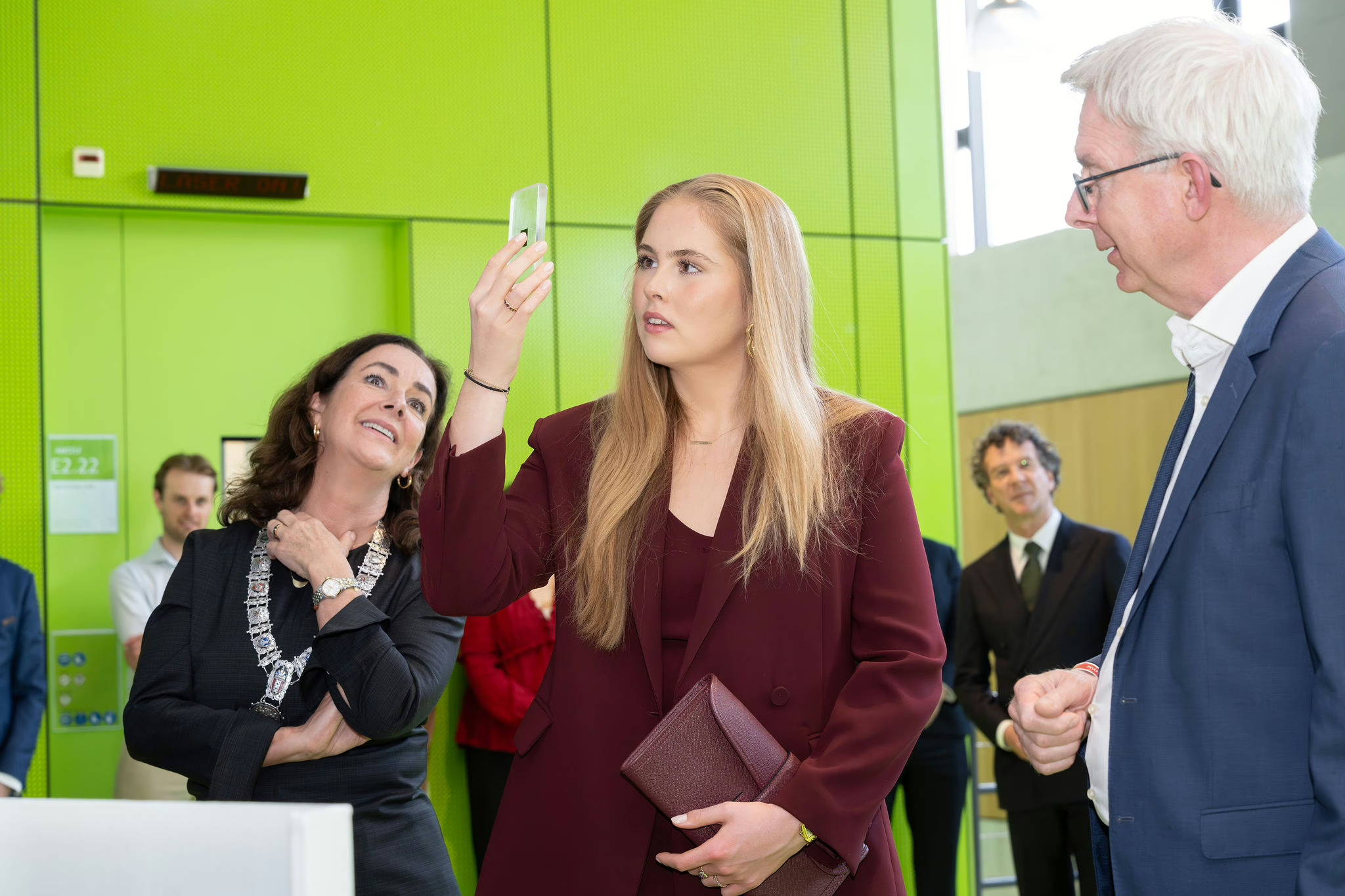
Jan Vesseur, Board Chair of SolarNL, presented several innovations from industry partners, including lightweight solar panels, fully integrated solar roofs, and colored photovoltaic panels developed by the Amsterdam-based company Solarix. The SolarNL program, coordinated by AMOLF, plays a key role in connecting fundamental research to industrial application and large-scale implementation.
LAB42
Prior to her visit to AMOLF, the Princess was introduced to LAB42, the international hub for talent development in digital innovation. The Princess and the Mayor also visited the Intelligent Robotics Lab in LAB42. Cees Snoek, professor of Intelligent Sensory Information Systems, took them through an AI Experience. In a roundtable with researchers, societal partners and industry, they discussed today’s and tomorrow’s technological challenges.
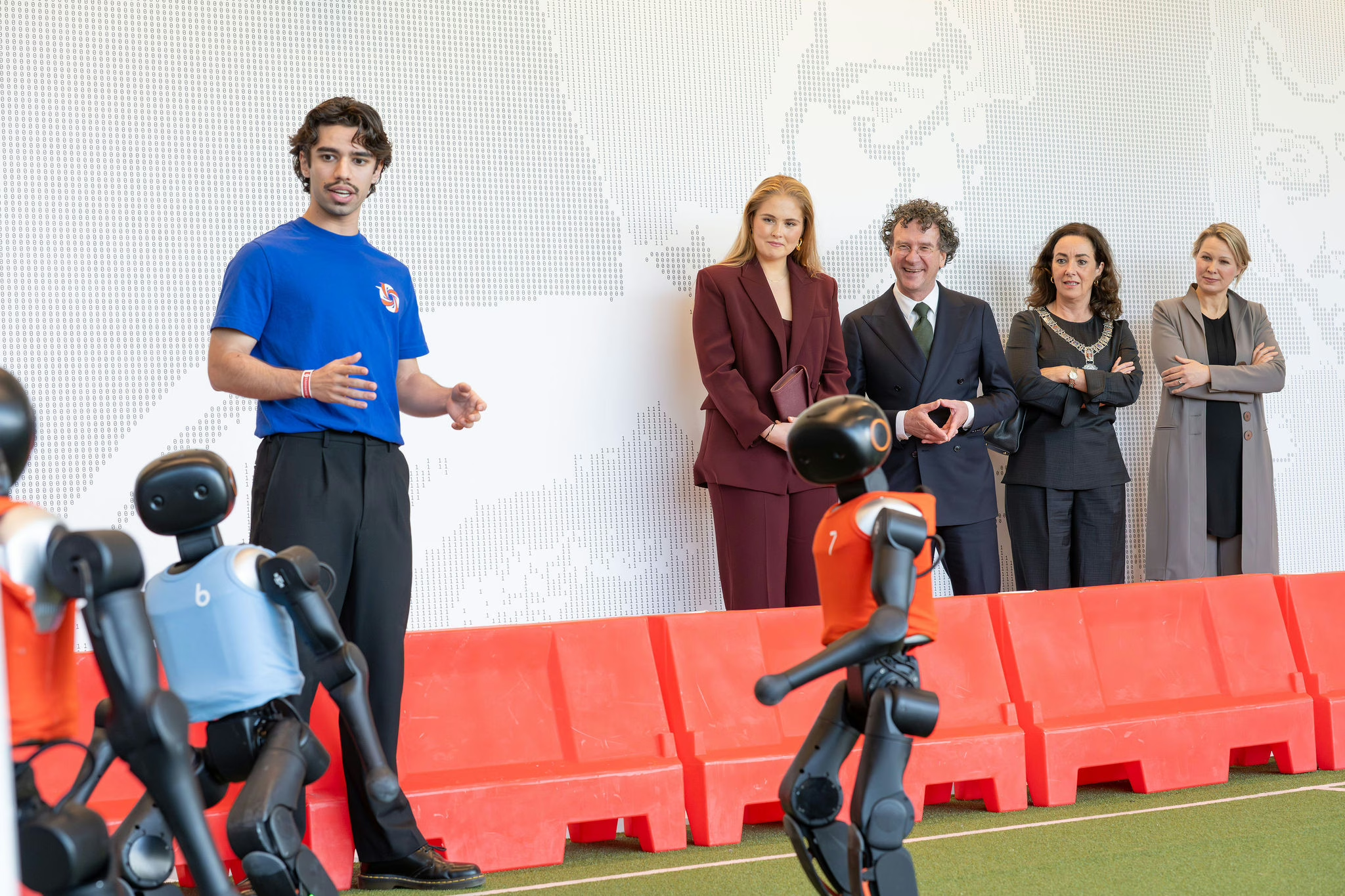
Photo credits
Ljilja Suvajdžić
Learn more
Visit the Sustainability Energy Materials webpage to learn more about sustainable solar energy research.