Autonomous Matter
Self-Organizing Matter

The Self-Organizing Matter group focuses on the dynamic interplay between chemical reactions and crystallization phenomena to control the emergence of complexity in the solid state. In particular, the group aims to design physical-chemical schemes to self-organize microscale devices and functional molecules.
Research focus
The Self-Organizing Matter group studies how simple chemical processes can shape complex structures. In nature, chemical reactions and crystal growth work together to create striking patterns, from bands in rocks to delicate mineral shells of tiny sea organisms. Although these forms well-known and omnipresent, the basic rules behind their formation mechanism are still not fully understood.
To study this fascinating question, we investigate how small building blocks, such as molecules and particles, can sort themselves and come together in an organized way. By learning how to guide the formation of crystals and control their shape and arrangement, we aim to design new useful mater. These include improved routes to building blocks for medicines, as well as tiny structures that can control light for advanced optical applications.
The group explores physical-chemical mechanisms that can sort, arrange and assemble building blocks from the molecular level up to the microscale. Current research includes the development of new routes to control nucleation, polymorphism, composition, shape and hierarchical organization of mineralizing structures. With this refined level of control, we also seek to design self-organizing functional molecules and materials such as pharmaceutical compounds and optical architectures.

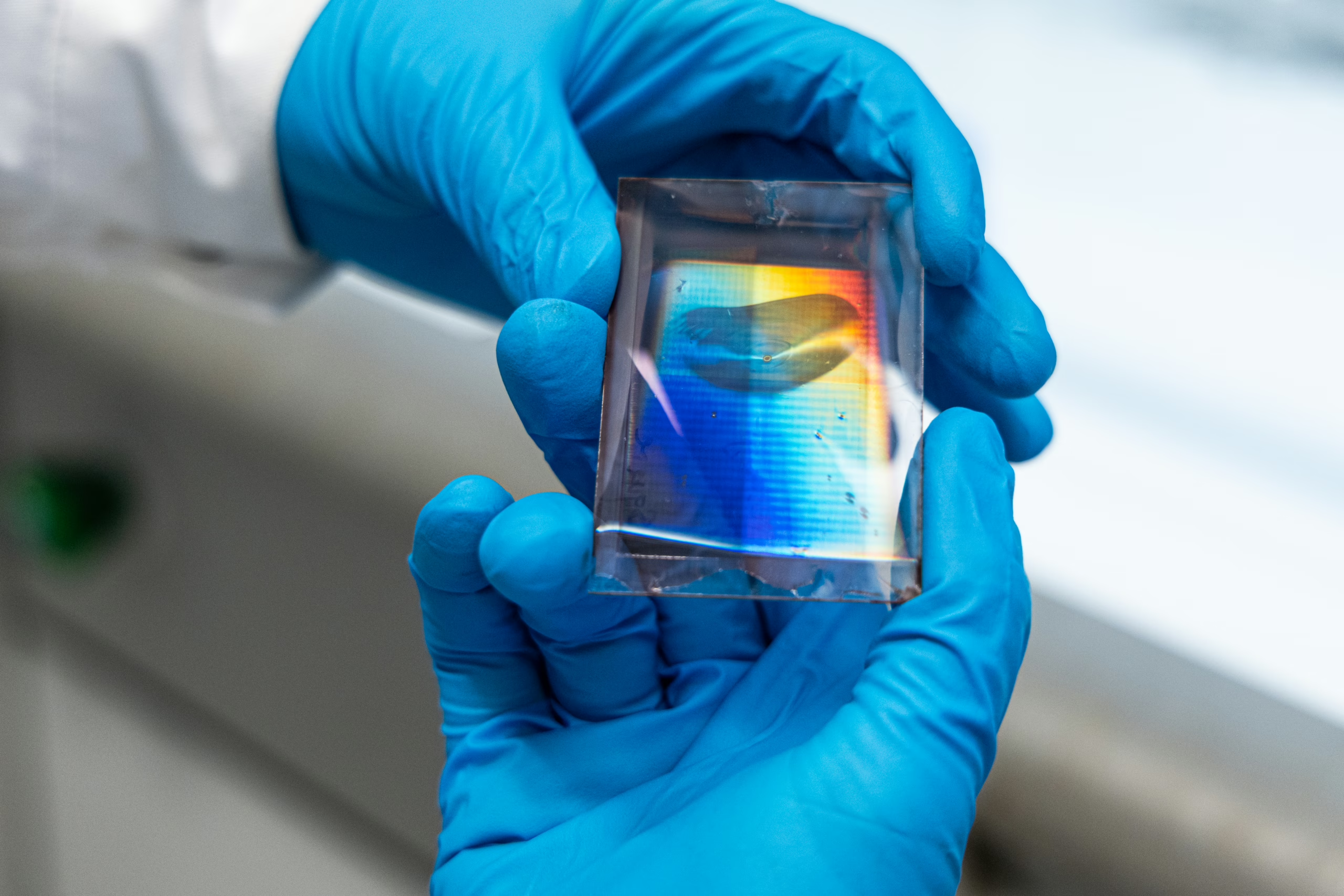
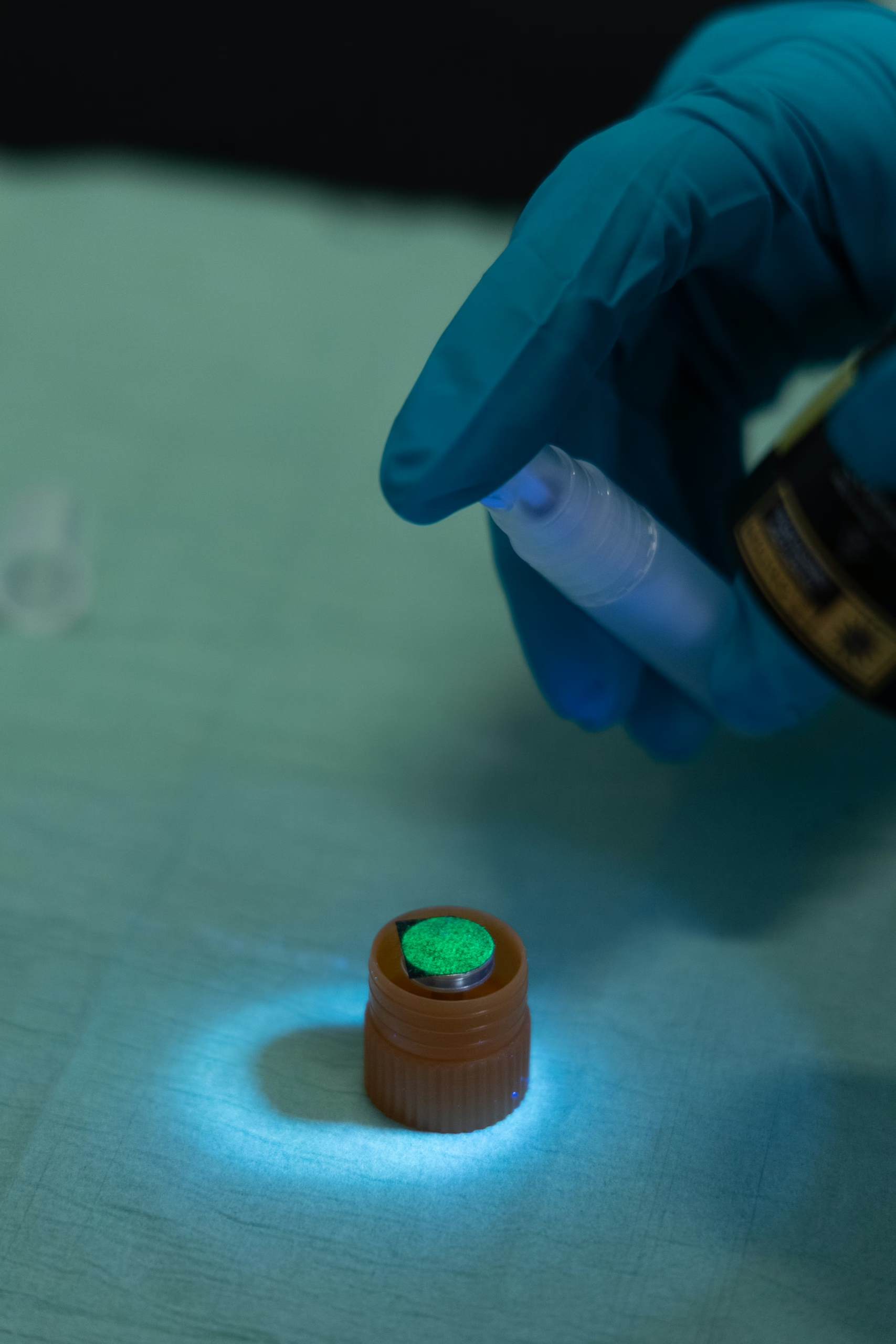
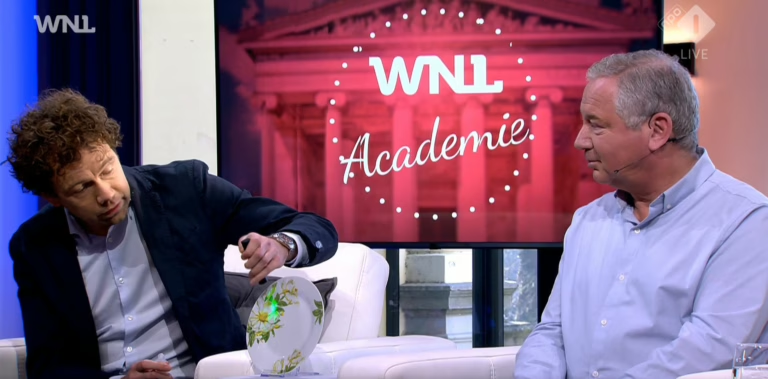
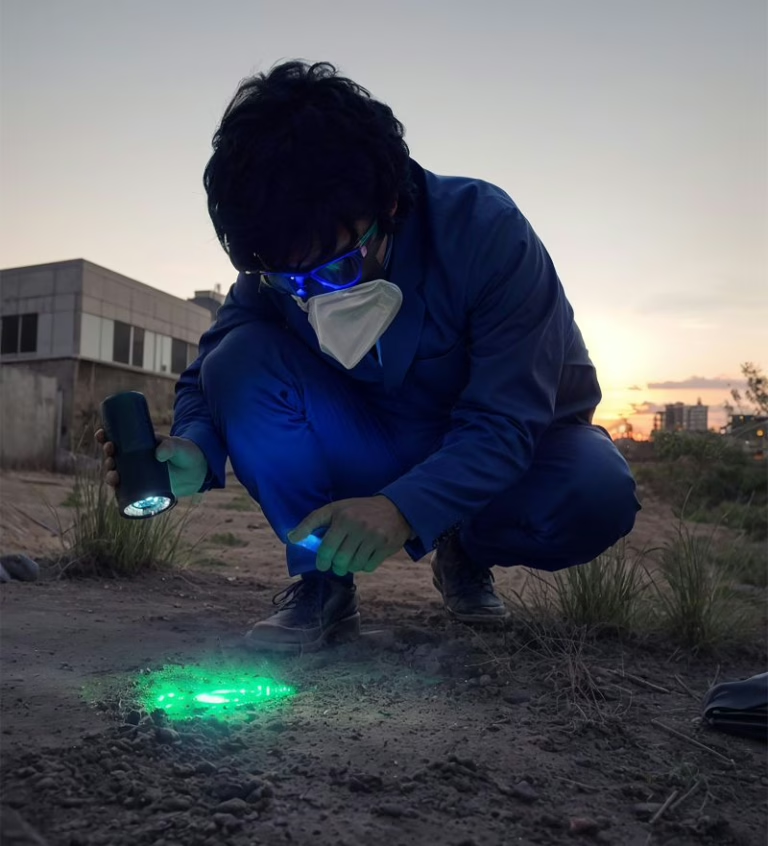
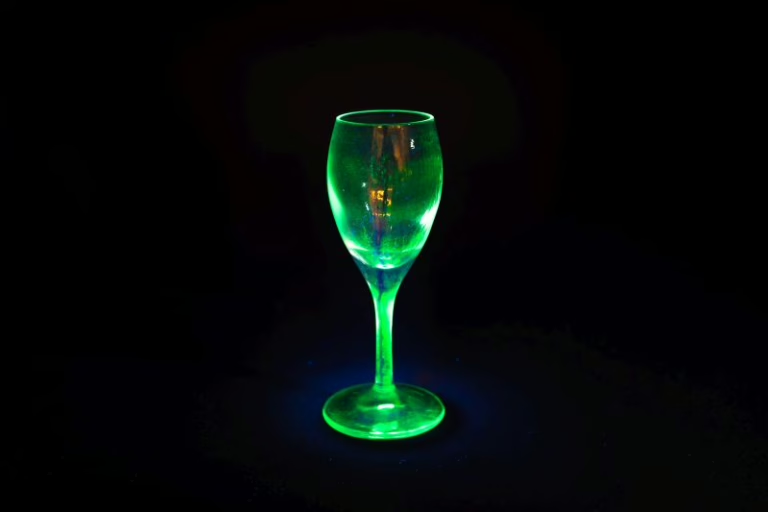
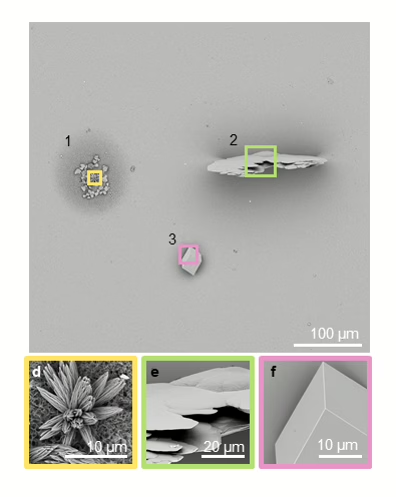
AMOLF researchers developed a highly sensitive method to detect lead based on perovskite semiconductor technology. A reagent applied to a surface reacts with lead to form a perovskite material that emits bright green light under UV illumination. AMOLF spin-off company Lumetallix has translated this discovery into a practical test for detecting lead contamination in a wide range of environments.
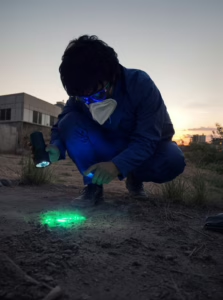
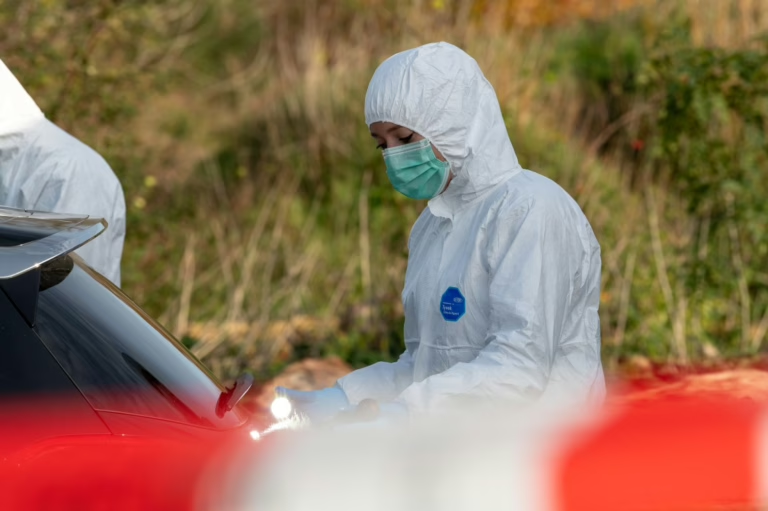
More recently, researchers have extended the method to forensic science. By detecting microscopic lead-containing particles in gunshot residue, the technique can reveal traces that are otherwise difficult to identify. Applied directly at a crime scene, it can support the identification of bullet holes and help reconstruct shooting incidents.
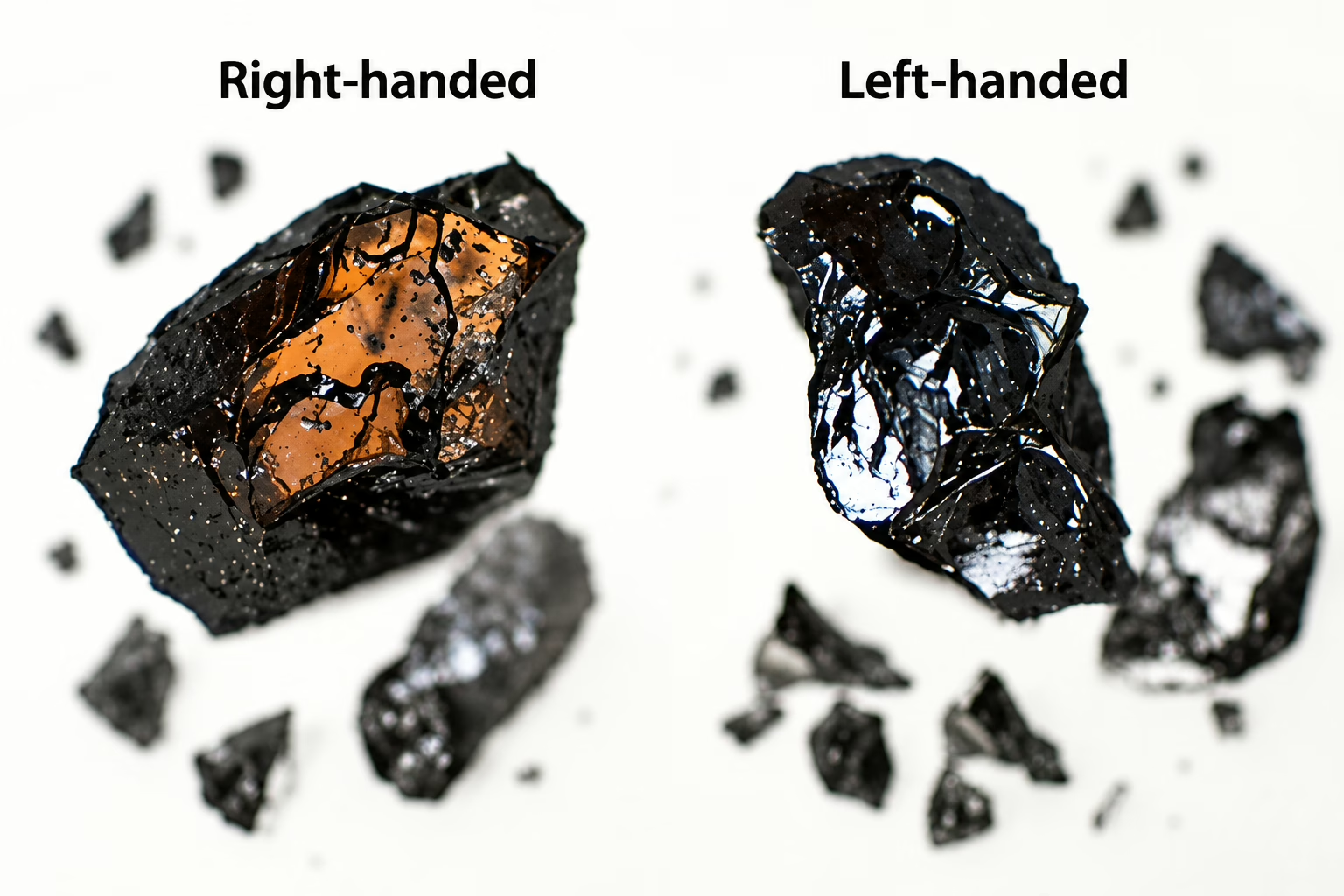
Many molecules exist in two mirror-image forms that are non-super impossible, known as enantiomers. Although chemically identical, these left- and right-handed molecules can behave very differently in biological systems, making control over molecular handedness particularly important for pharmaceuticals. The Self-Organizing Matter group investigates how crystallization can be used to select and amplify one molecular handedness.
The group is known for developing innovative methods that combine crystallization with chemical reactions to design systems that produce enantiomerically pure molecules. Under these conditions, crystallization acts not only as a method for separating chiral molecules, but also as a process that actively amplifies chiral asymmetries.
Combined, this research provides both fundamental insight into chiral crystallization and new approaches for producing enantiomerically pure molecules that are essential in our daily lives.











Self-Organizing Matter Latest news


Most recent publications