
News & updates
Latest developments from our institute
Stay informed about new research results, awards, events, and collaborations across our scientific community.

Huib Bakker appointed as new member of the Domain Board Science of NWO
AMOLF-director Huib Bakker has been appointed as new member of the Domain Board Science of the Dutch Research Council.
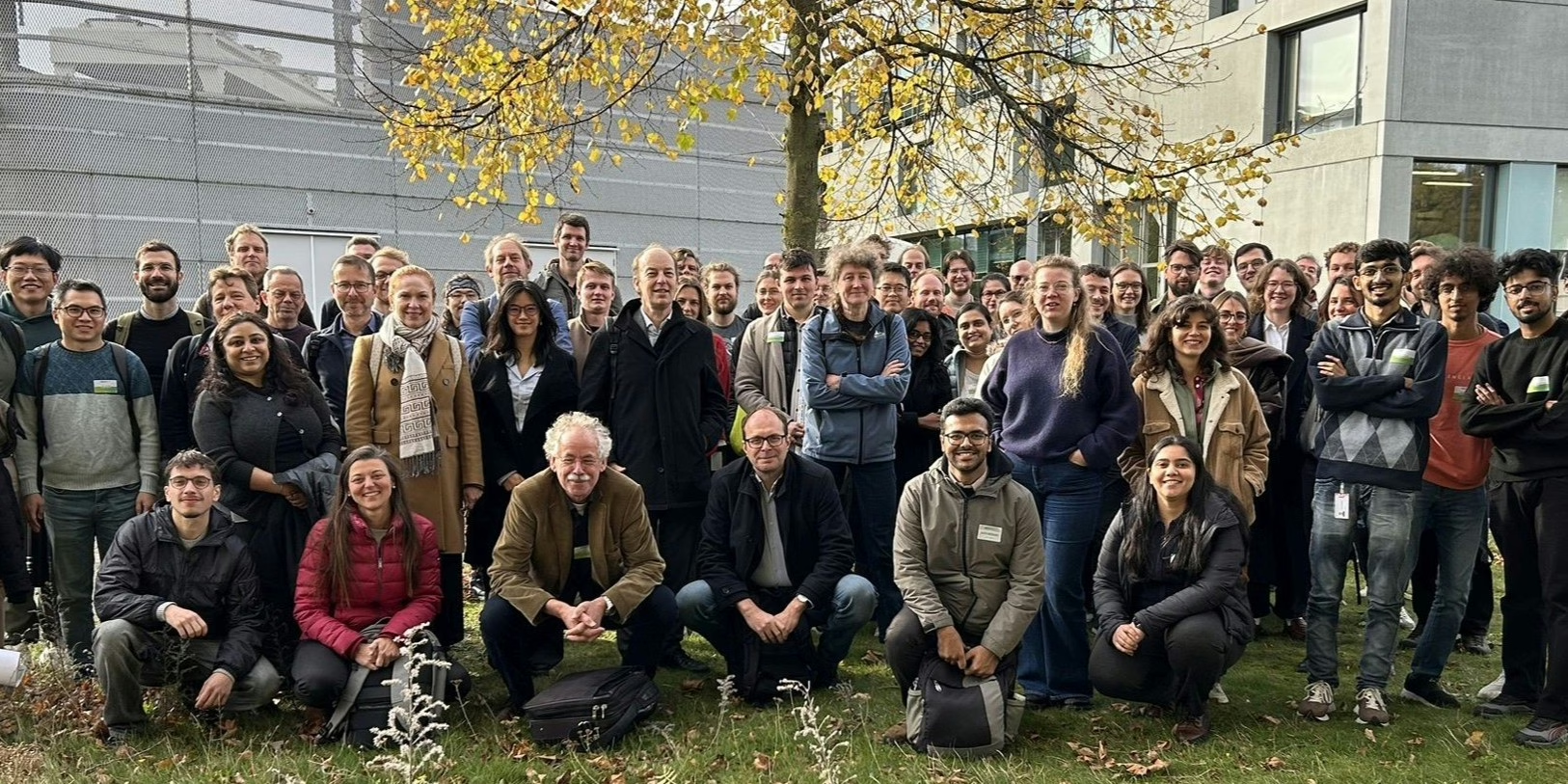
First ANION Symposium with strong community spirit and collaboration
Electrochemists working on nanoscale electrochemical interfaces came together in Amsterdam to share recent findings and explore new collaboration opportunities. The ANION Symposium was the first edition organized by the Advanced Netherlands Institute of Nanoelectrochemistry (ANION), with AMOLF and UvA as co-organizers. The symposium took place on Friday, October 31.
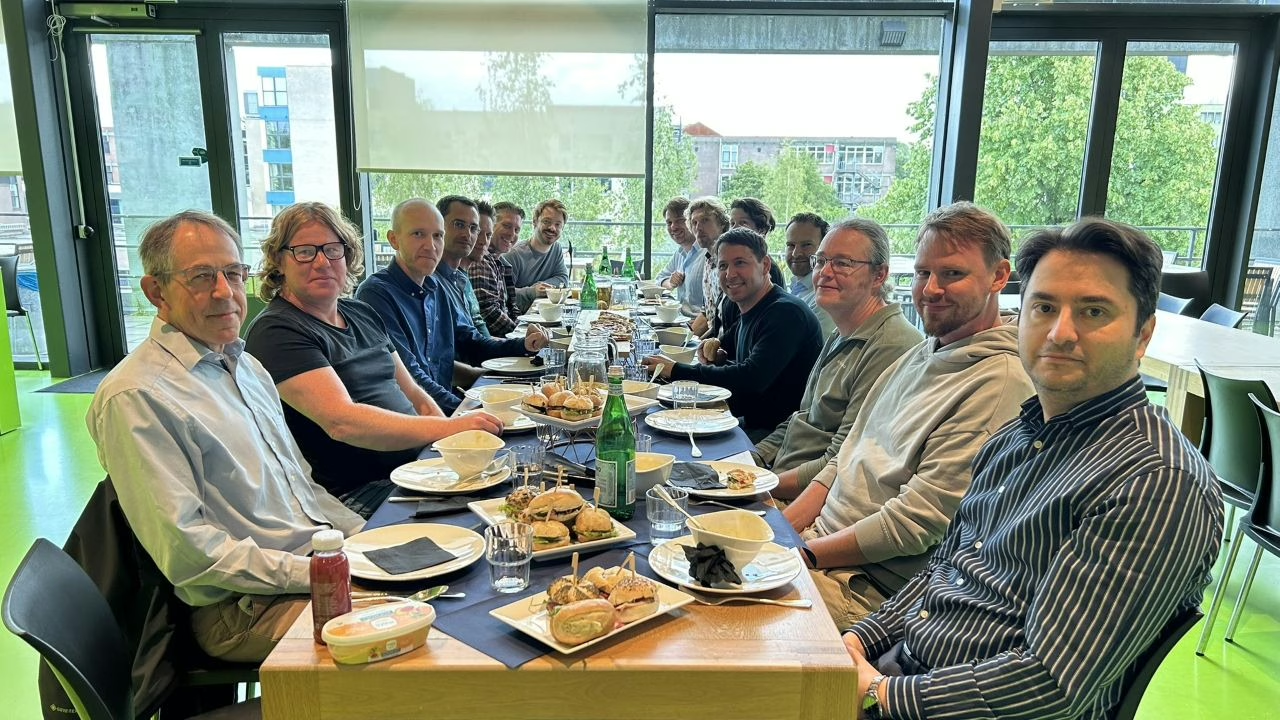
AMOLF, CWI, and DIFFER launch HELIOS project with NWO-I funding
An AMOLF collaboration with CWI and DIFFER has received funding from NWO-I to launch a joint project: HELIOS: AI-guided materials discovery facility for solar energy materials. On Friday, May 23rd, representatives from the three institutes gathered for the kick-off meeting to discuss the roadmap toward developing a highly efficient multilayered halide perovskite solar cell.
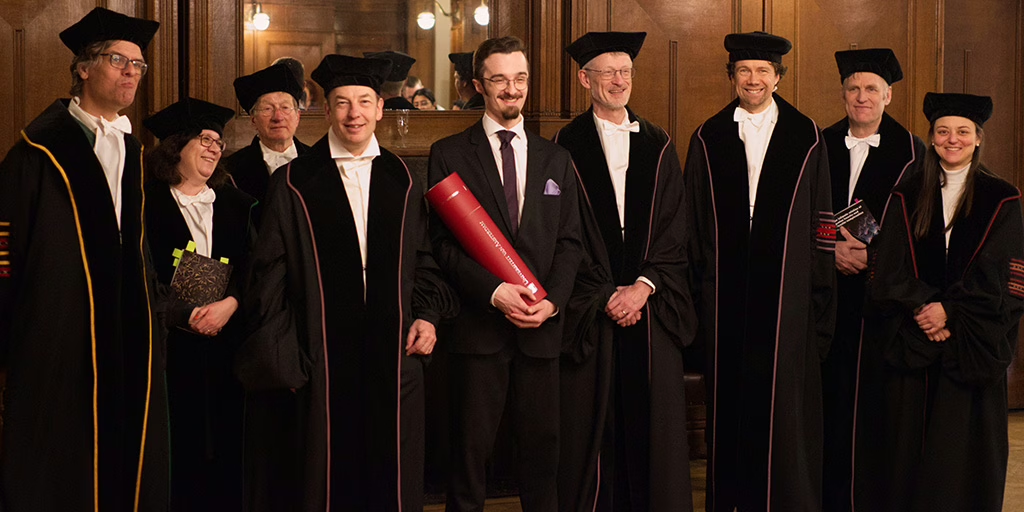
Three months – Three PhD celebrations
In the past three months, three AMOLF PhD students successfully defended their thesis at a Dutch university. Their names are Christiaan van Campenhout, Susan Rigter and Balázs Antalicz.
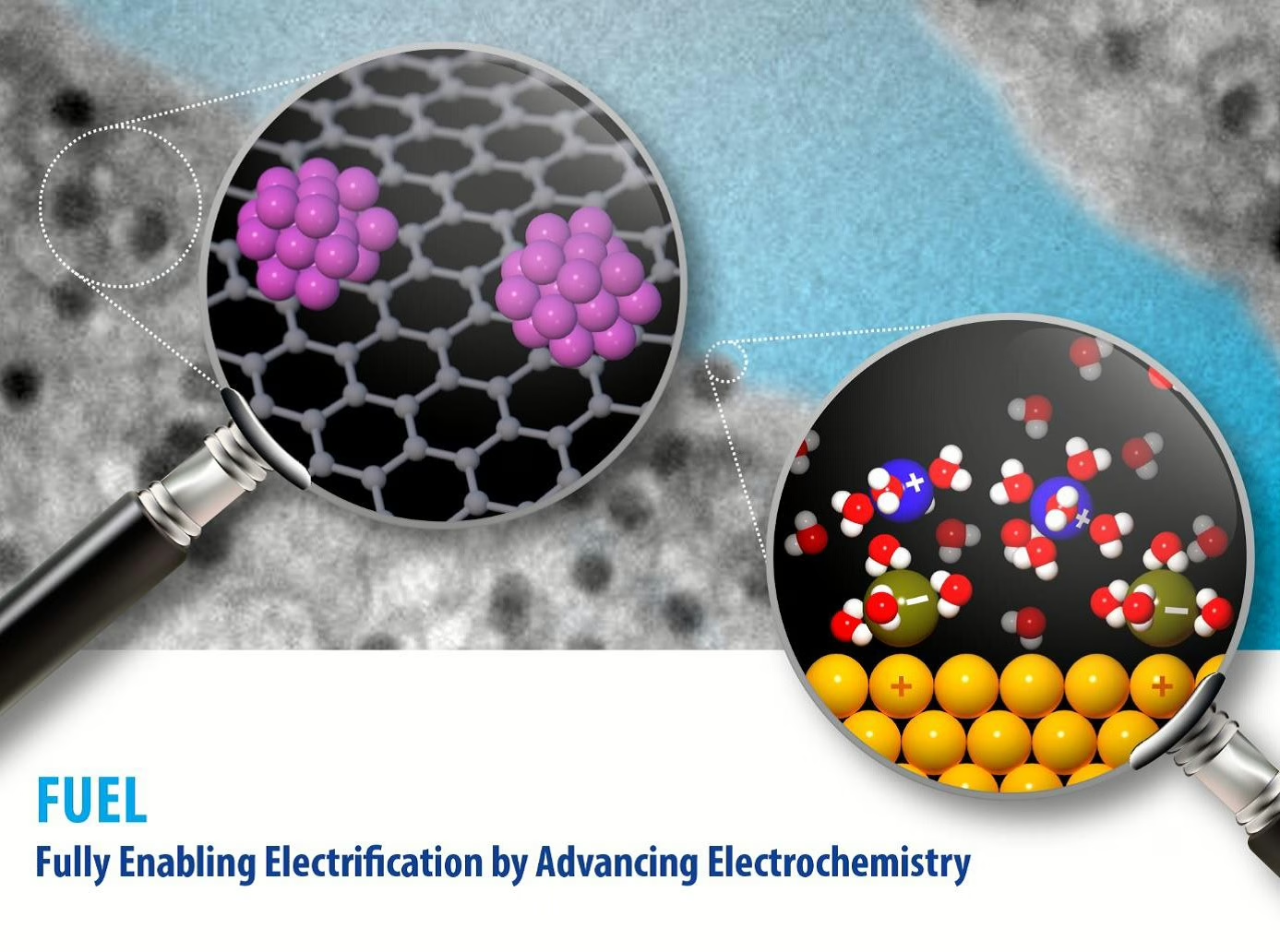
Gravitation proposal ANION honored
The consortium Advanced Nano electrochemistry Institute Of the Netherlands (ANION) receives a Graviation subsidy of 23,6 million euro for research on the fundamental properties of electro chemical processes. The consortium is being led by Leiden University. AMOLF is one of the main participants.
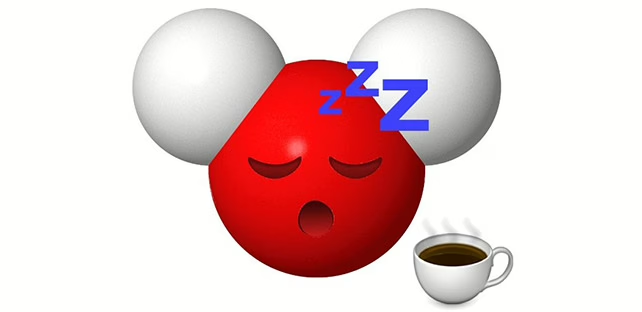
Caffeine makes water fall asleep
Contrary to the well-known stimulating effect on humans, caffeine slows down the movement of water molecules. Researchers from the NWO Institute AMOLF in Amsterdam and the ESPCI in Paris report this in a recent publication in the Journal of Physics Communications.
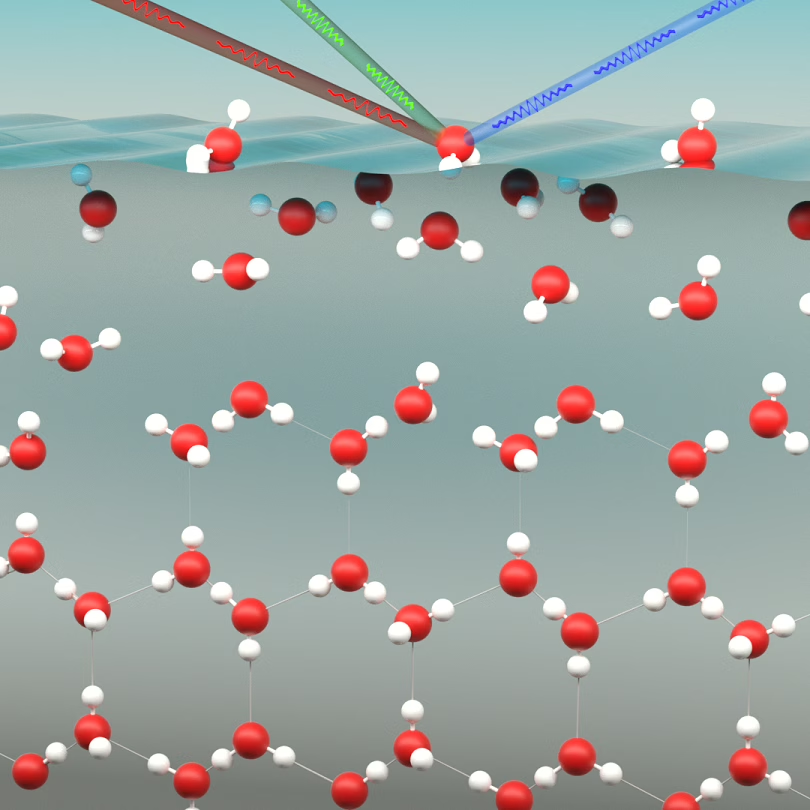
Ice skating on water, even when it is really cold
The outermost layer of ice behaves like liquid water, even at a temperature of –30°C. Physicists at AMOLF have irrefutably demonstrated this using a modern surface-sensitive measuring technique. At lower temperatures, however, the layer of water becomes increasingly thin. The researchers report their findings on 27 November in the journal Angewandte Chemie.
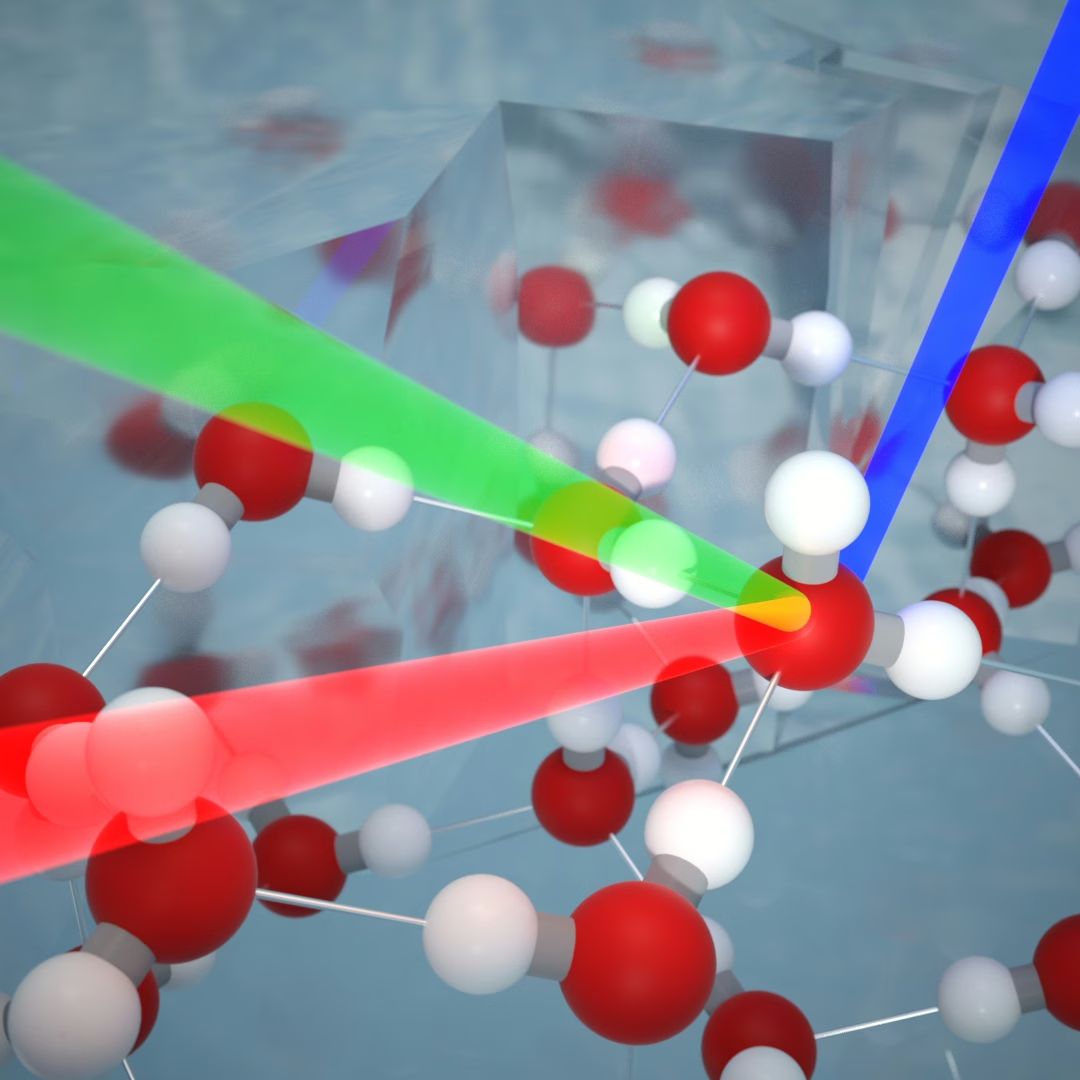
Only when it is exceptionally ice cold
It is at a temperature of −70 °C that water molecules at the surface of ice make the most bonds with each other. AMOLF researchers, together with an international team of colleagues, describe this in an article in Physical Review Letters published on September 28. Insights into the behavior of the top layer of ice is important for understanding how glaciers move, how avalanches arise, and why we can skate on ice, among other things.