
News & updates
Latest developments from our institute
Stay informed about new research results, awards, events, and collaborations across our scientific community.
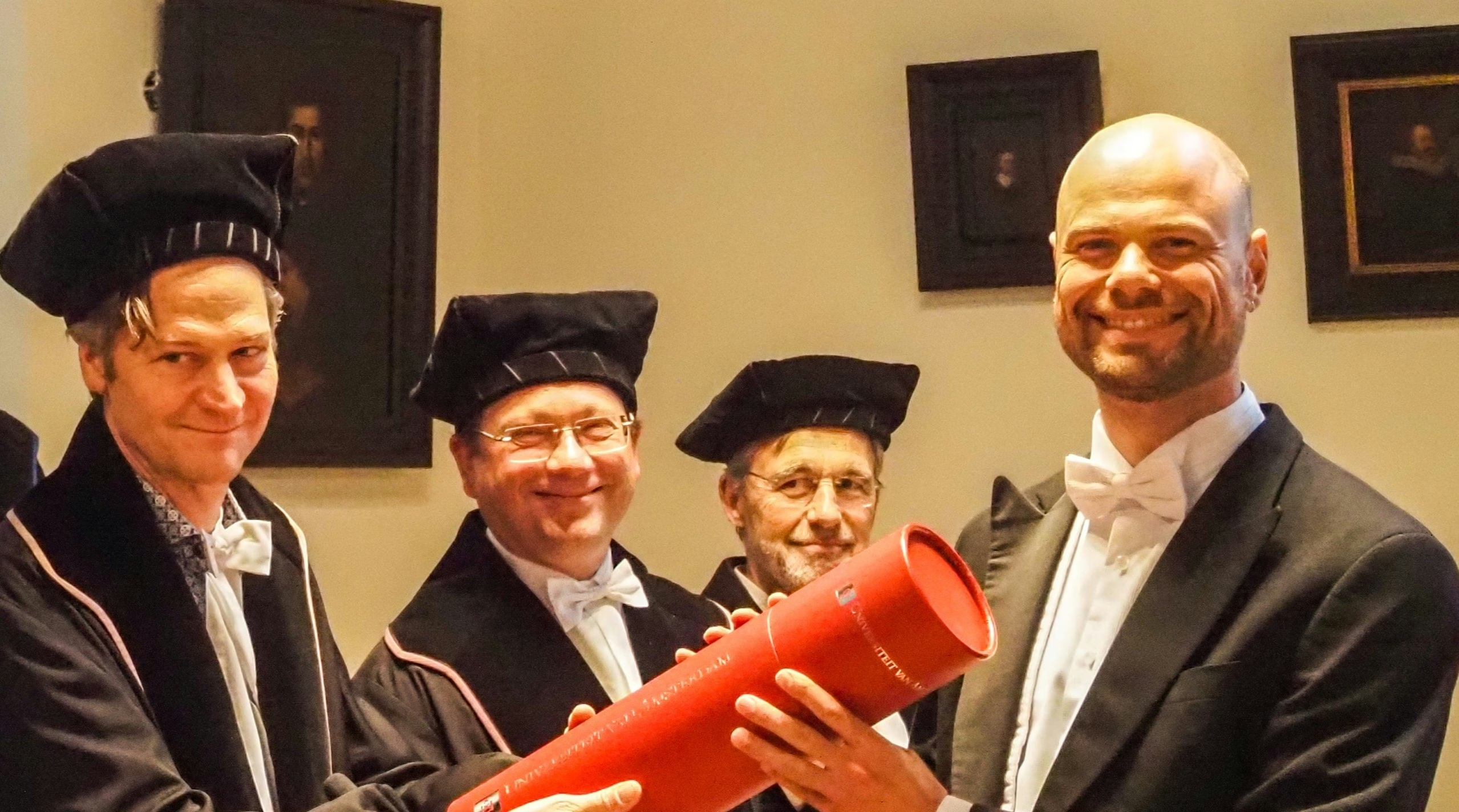
Spring brings many Doctorate Celebrations
Burak Demirbas – Stress-induced protein dynamics and growth arrest in C. elegans during development – May 16thBurak Demirbas with PhD committee and his familyBurak…
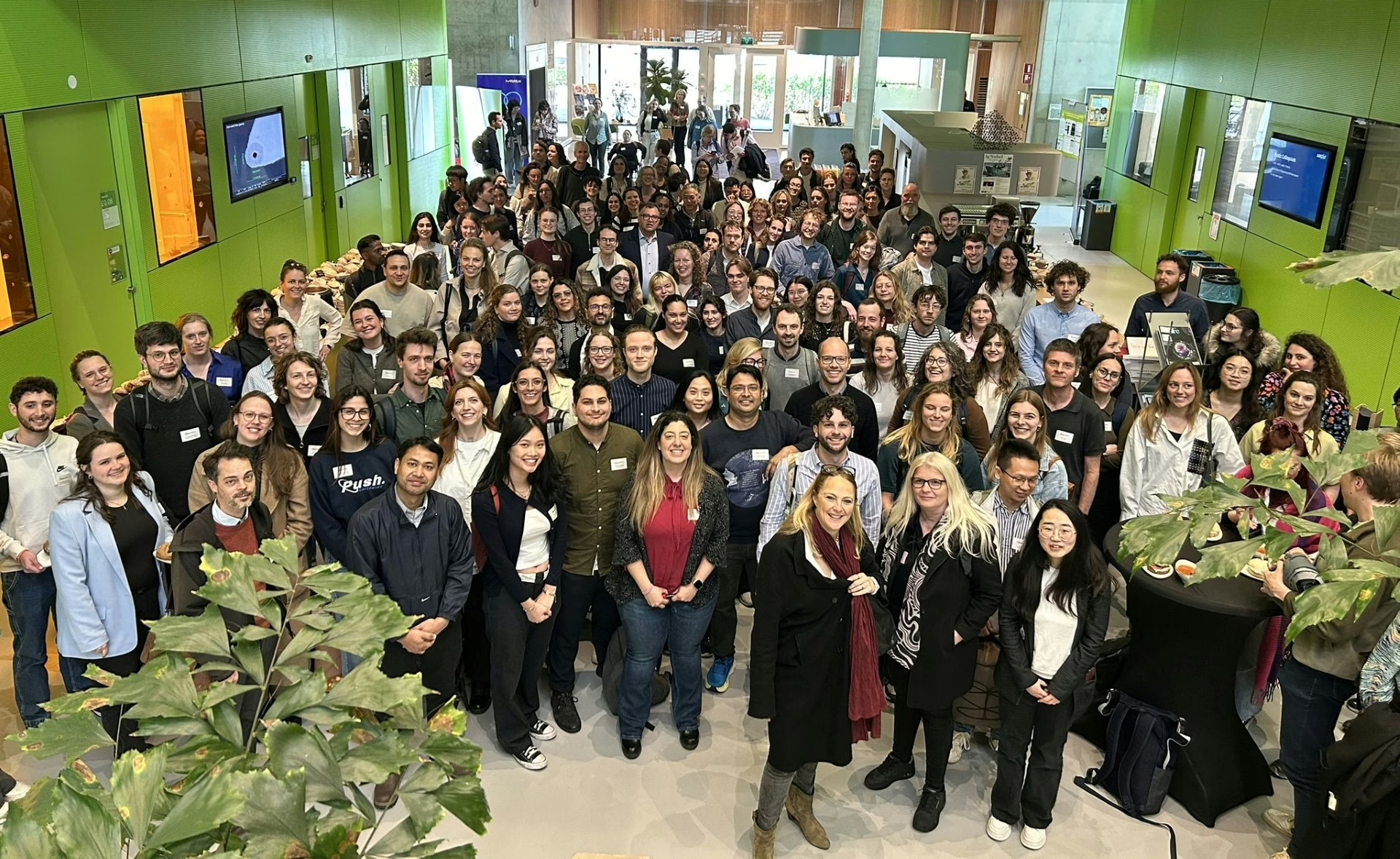
OrganoidNL Symposium 2025: Exploring the future of organoid research
On April 11, 2025, AMOLF hosted the third edition of the OrganoidNL Symposium, bringing together researchers from across the Netherlands and abroad to discuss the latest developments in organoid biology. Following its successful launch in 2023, the event has grown into an important platform for sharing knowledge, building collaborations, and exploring the scientific and medical potential of organoids.
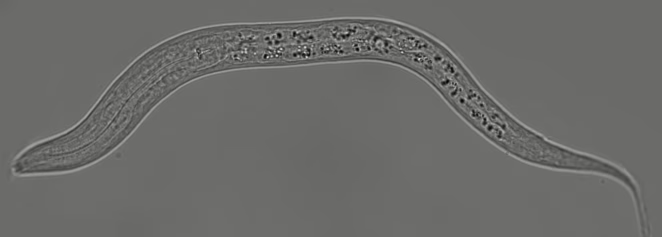
NWO ENW-XL grant awarded to consortium studying how embryos tell time
A research consortium led by AMOLF group leader Jeroen van Zon has been awarded an NWO ENW-XL grant to combine efforts and elevate curiosity-driven research to the next level. A total of 2.7 million euros has been granted for the project “How developing embryos use noisy clocks to tell time with high precision.”
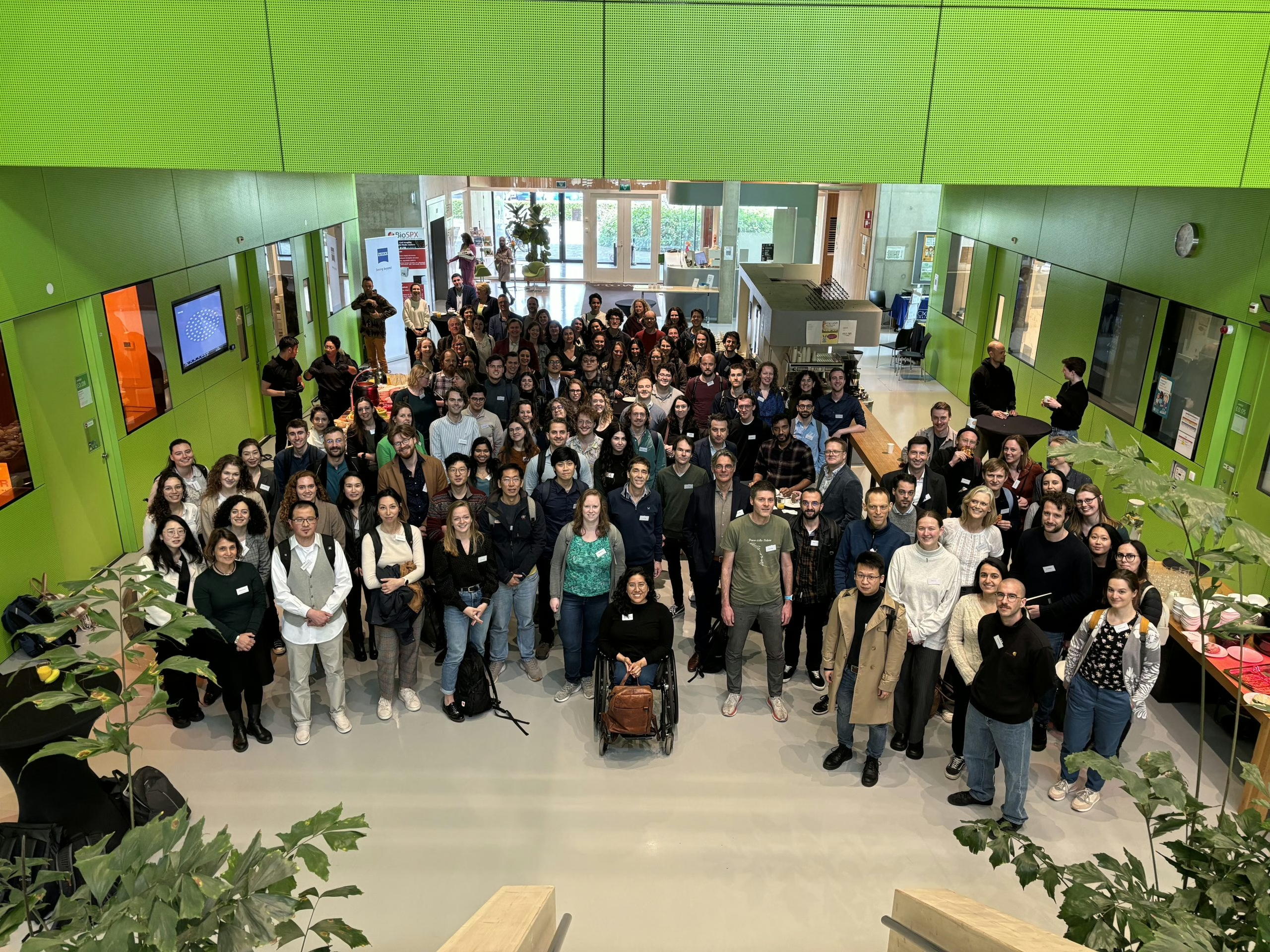
OrganoidNL 2024: Latest advances in organoid research
On April 12th, the second edition of the OrganoidNL Conference was held at AMOLF. This one-day event united over 160 researchers from the Netherlands and neighboring countries, all passionate about organoid technology and biology.
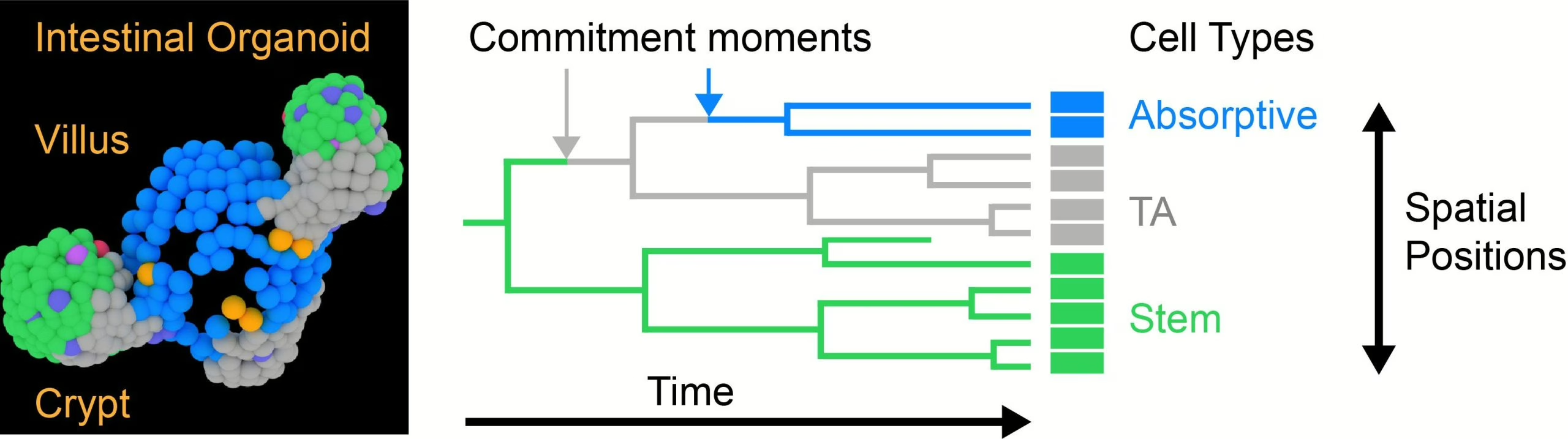
How do stem cells choose their identity?
AMOLF researchers discovered that stem cells first specialize into a functional cell and then move to the proper location – rather than the other way around.
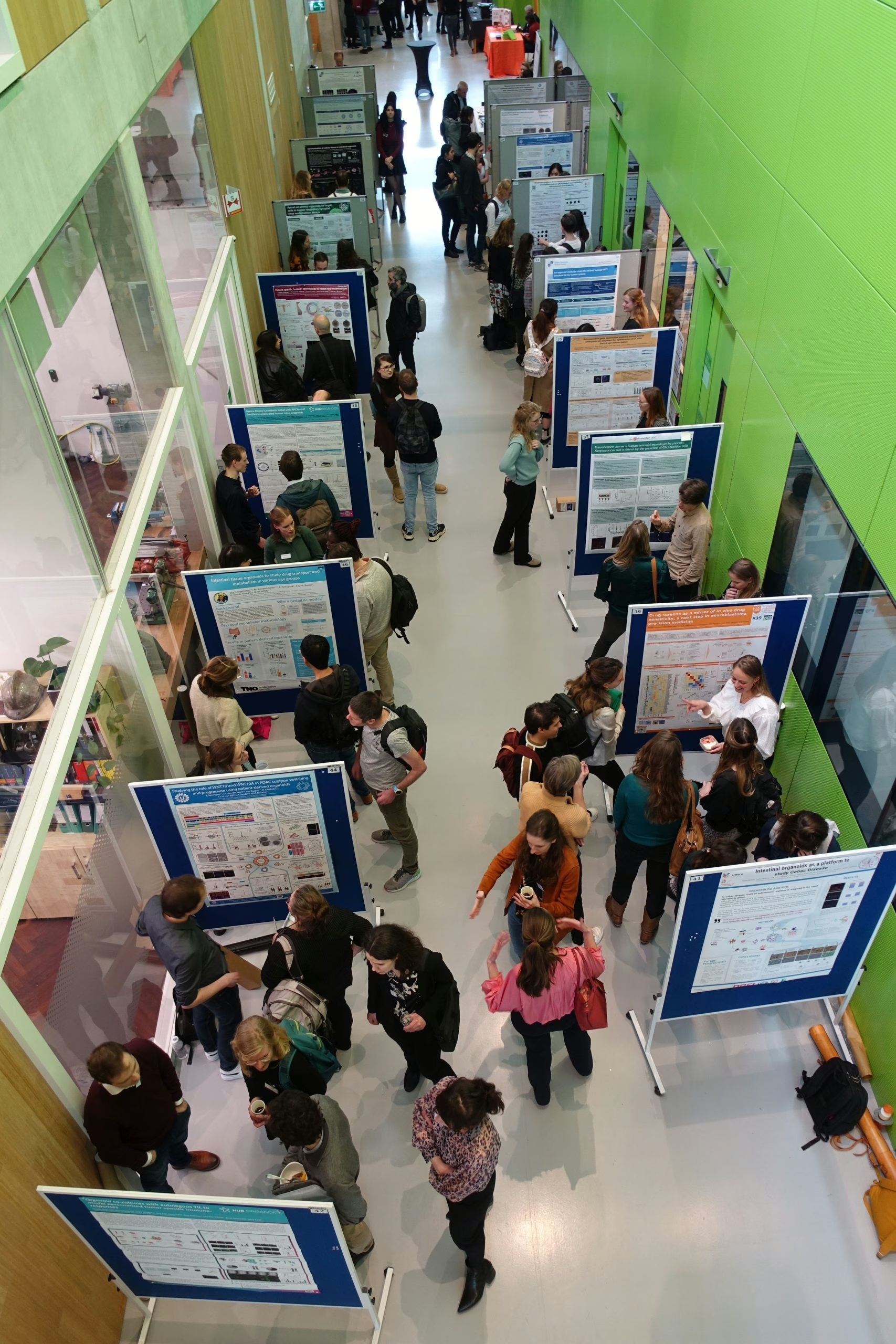
OrganoidNL 2023: A successful showcase of organoid research in the Netherlands
On March 31st, 2023, the first OrganoidNL Symposium was organized at the AMOLF institute in Amsterdam. This one-day event brought together researchers from across the Netherlands with an interest in embryo-like structures and organoid technology and biology. With this symposium, the organizers aimed to further galvanize the already strong organoid research in the Netherlands by providing a platform for knowledge exchange and collaboration.
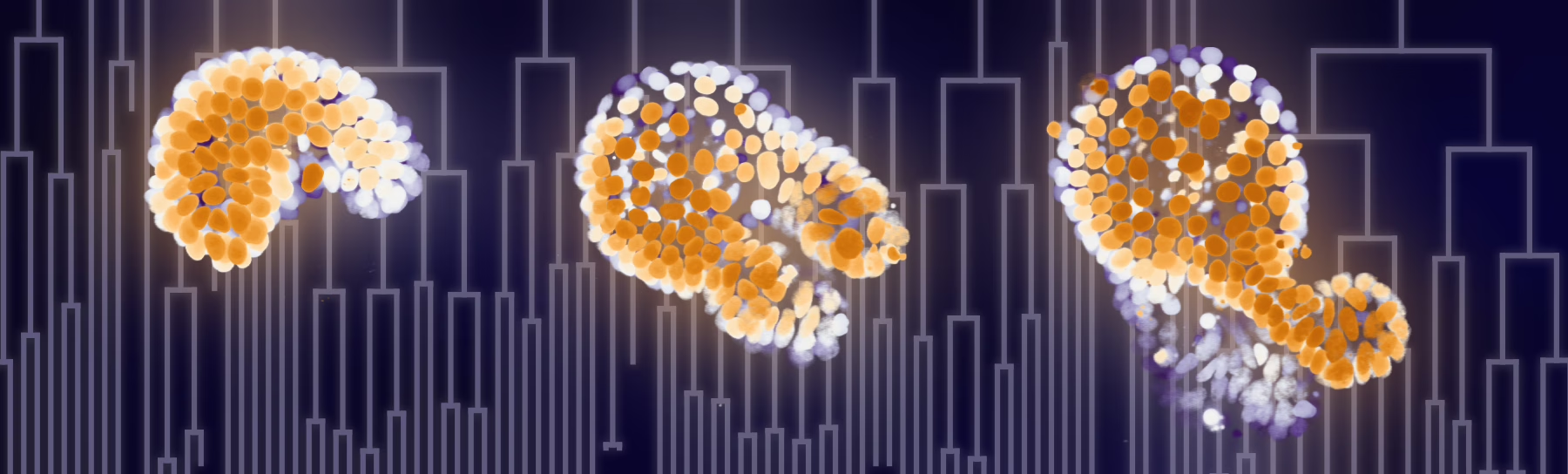
Daughter cells in the intestine do what their mother tells them
AMOLF researchers have discovered what prevents cells in the intestine from dividing rampantly. One hypothesis was that this happens because, on average, for each cell that divides, another cell stops dividing. However, this model failed to provide a good answer to the question as to why cell growth fluctuates so little. Jeroen van Zon and his colleagues have now discovered how that mechanism works by making time-lapse videos of the cells. They noted that two daughter cells from the mother cell always do the same. Either they both divide, or neither divides. As a result of this, cell growth is constant with less chance of cancer and other diseases.
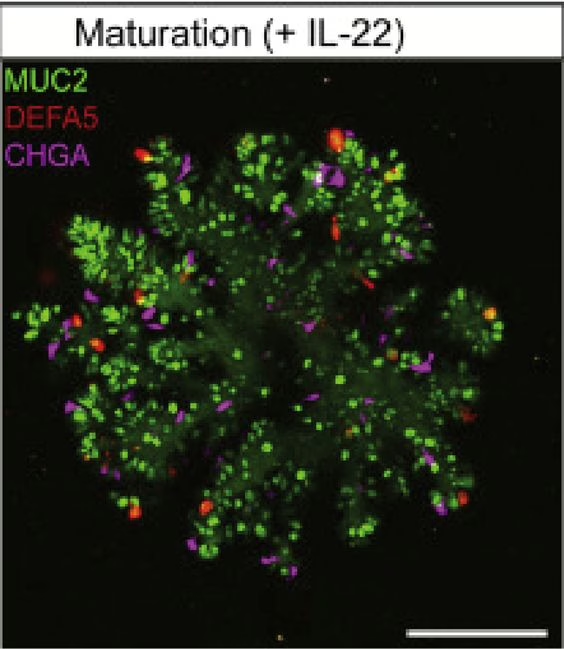
Optimization of human small intestinal organoids
Collaborating scientists have improved human small intestinal organoids – miniature versions of the small intestine. This will help them to better study the functioning of the small intestine. The scientists from the Hubrecht and AMOLF institutes, and various other collaborators developed organoids that contain mature Paneth cells, which were not present in the earlier human small intestinal organoids. The results of the study were published on 23 August in Cell Stem Cell.