
News & updates
Latest developments from our institute
Stay informed about new research results, awards, events, and collaborations across our scientific community.
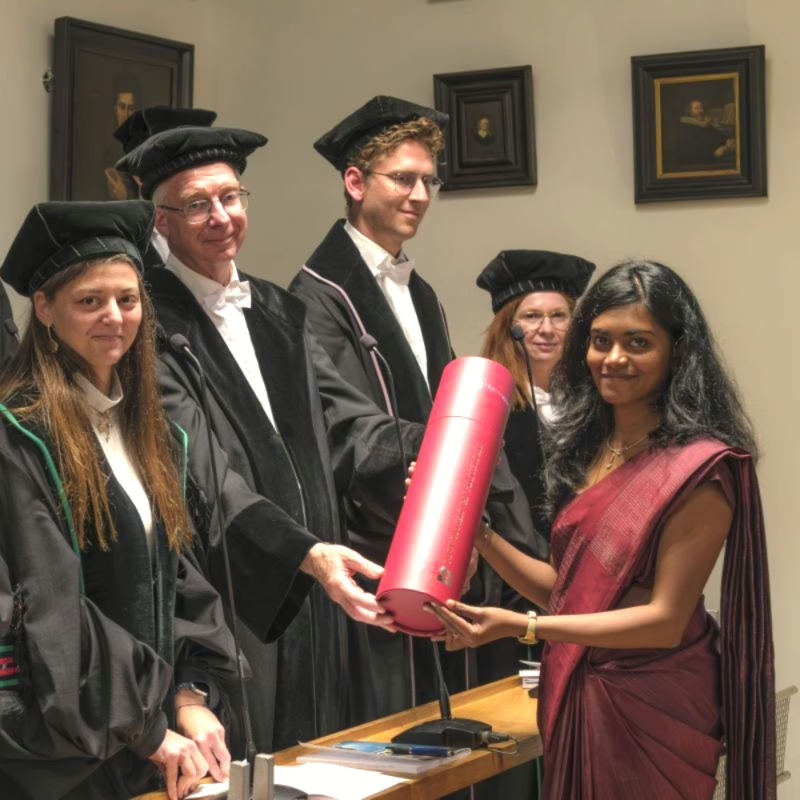
September and October doctorate celebrations
Katharina Till – Cotranslational Folding and Assembly at the Single-Molecule Level – September 18Katharina Till after defending her thesisDuring her doctoral research in the Biophysics group of Sander…
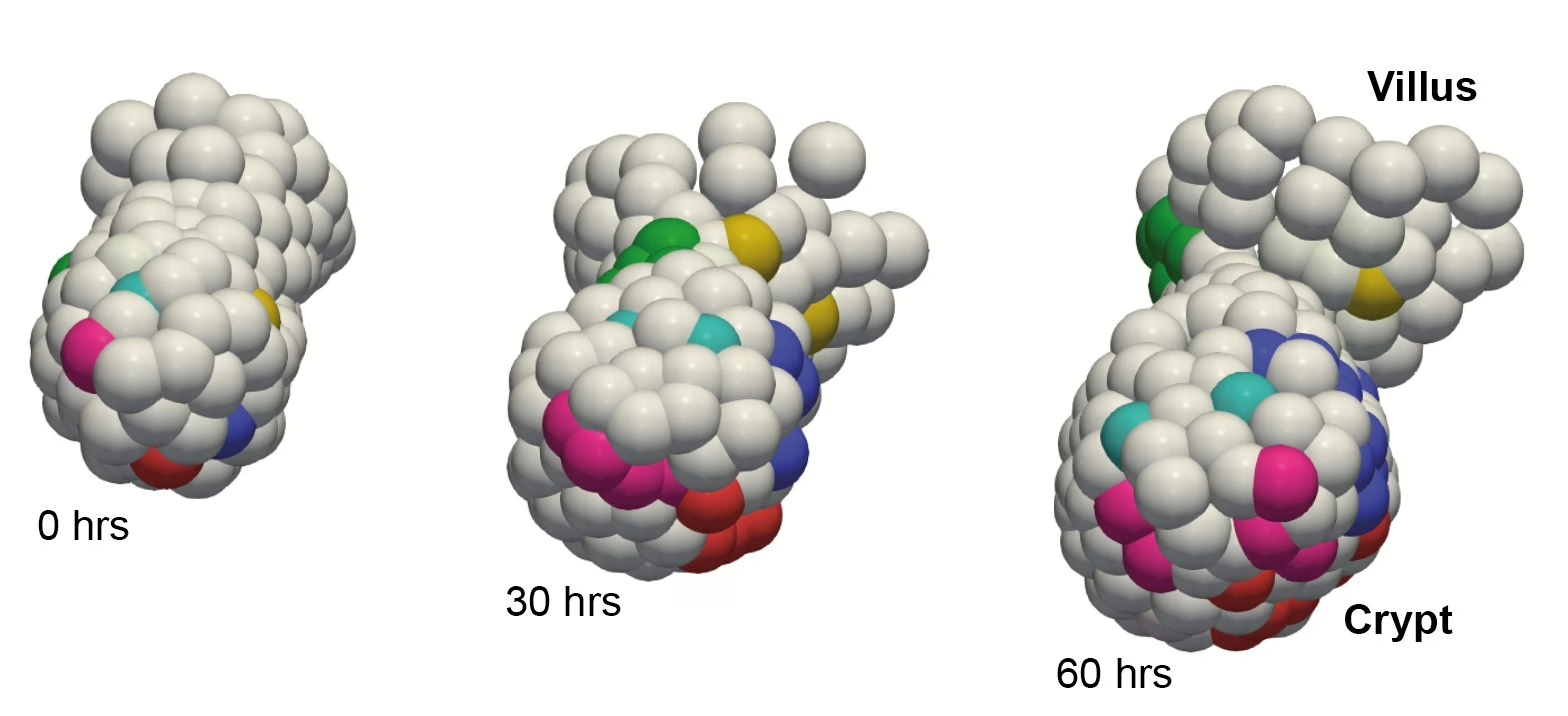
New algorithm improves ability to track movements of cells in organs
Frustrated by the time cost of manually checking cell tracking data, AMOLF PhD student Max Betjes developed an algorithm to more efficient cell-tracking analysis. He validated this automated analysis on cell movements in miniature organs, and the results are now published in Nature Methods.
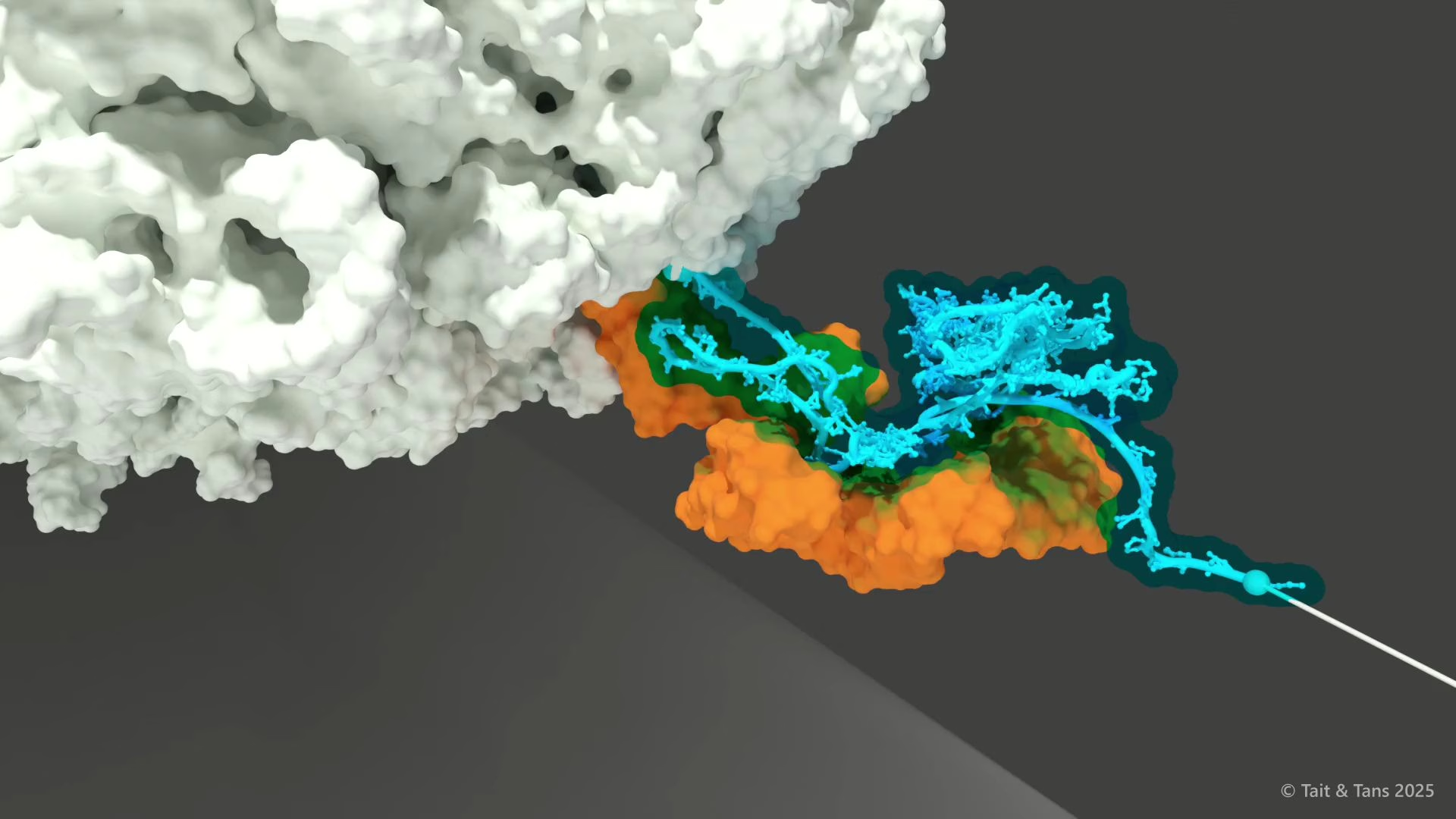
One rulebook to fold all proteins
Inside living cells, ribosomes produce roughly five hundred brand-new protein chains every second, and each one must fold into the right 3D shape – or risk disease. New research shows that two helper molecules called ‘Trigger Factor’ and ‘DnaK’ use a surprisingly simple rulebook to fold all proteins in the cell, despite their strikingly different structures. A team from AMOLF and Heidelberg University reports these findings in two papers published in PNAS and Nature Communications.
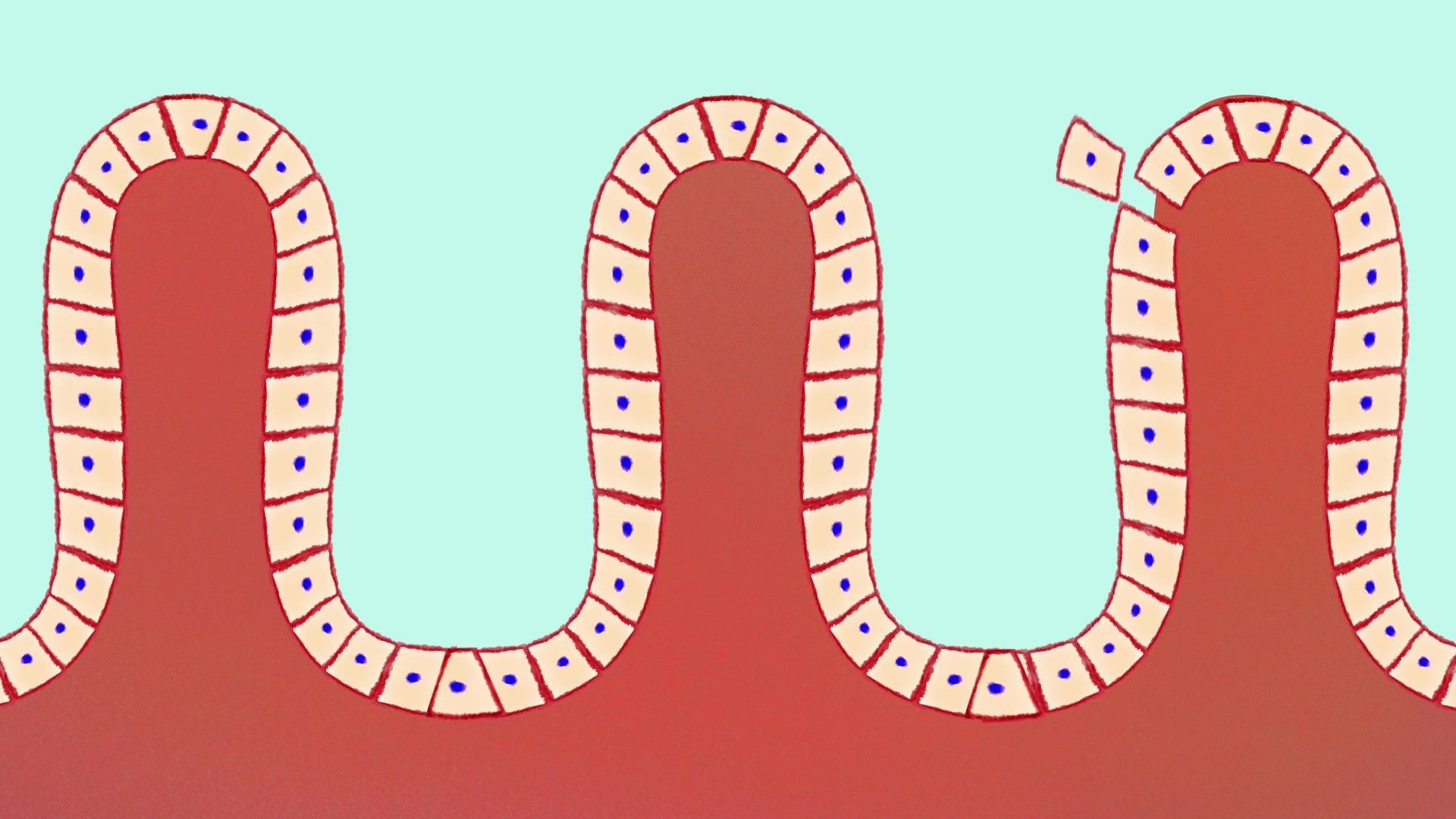
Intestinal surface cells pull rather than push
Cells on the inner surface of the intestine are replaced every few days. But, how does this work? It was always assumed that cells leave the intestinal surface because excess cells are pushed out. In a recent publication in the journal Science, researchers of the Hubrecht Institute and AMOLF show that this is not correct. In reality, the situation is exactly the opposite: the cells do not push, but pull at each other. These pulling forces lead to the removal of the weakest cells. This insight gives a new perspective on how a malfunctioning intestine can lead to disease or infection.
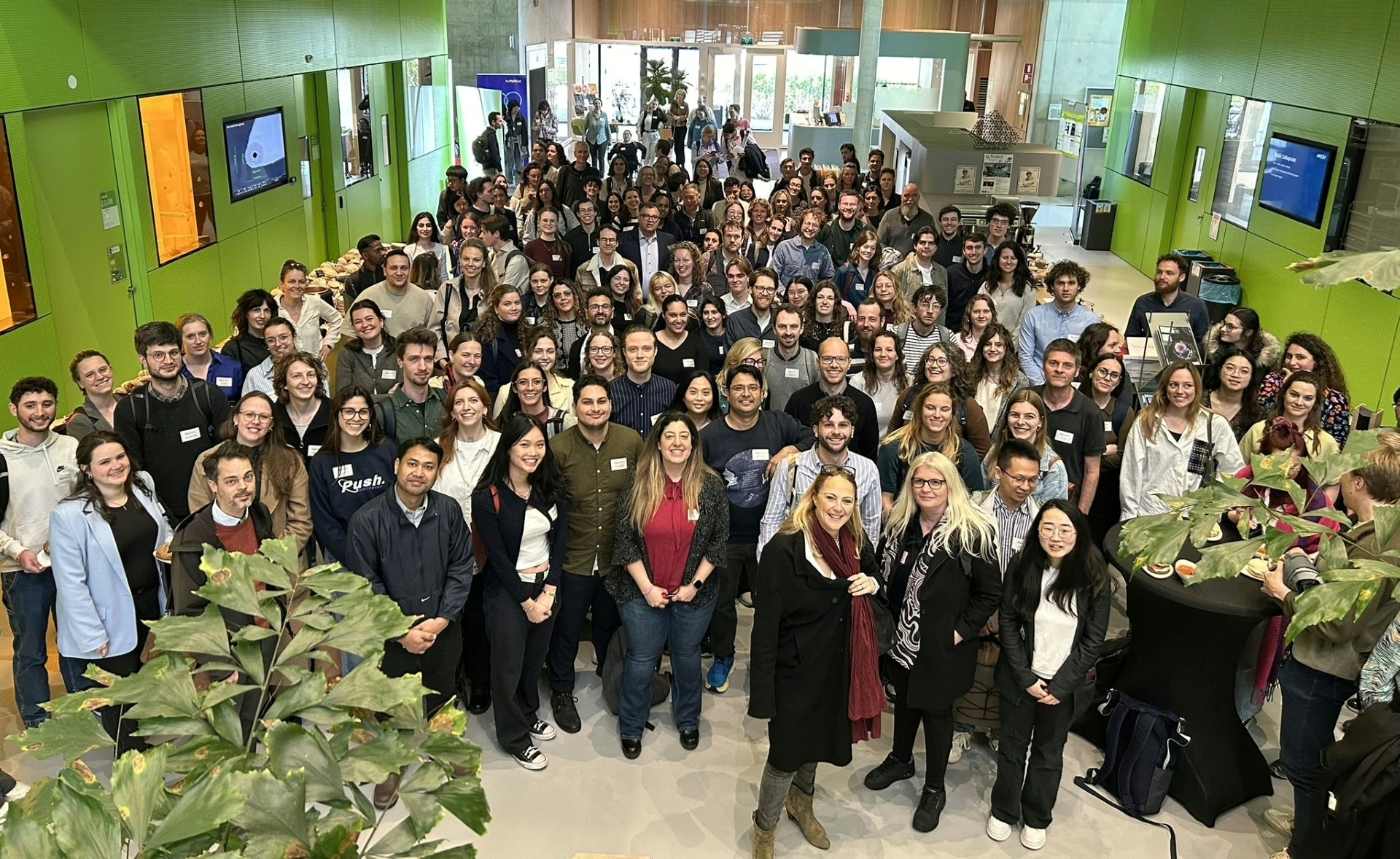
OrganoidNL Symposium 2025: Exploring the future of organoid research
On April 11, 2025, AMOLF hosted the third edition of the OrganoidNL Symposium, bringing together researchers from across the Netherlands and abroad to discuss the latest developments in organoid biology. Following its successful launch in 2023, the event has grown into an important platform for sharing knowledge, building collaborations, and exploring the scientific and medical potential of organoids.
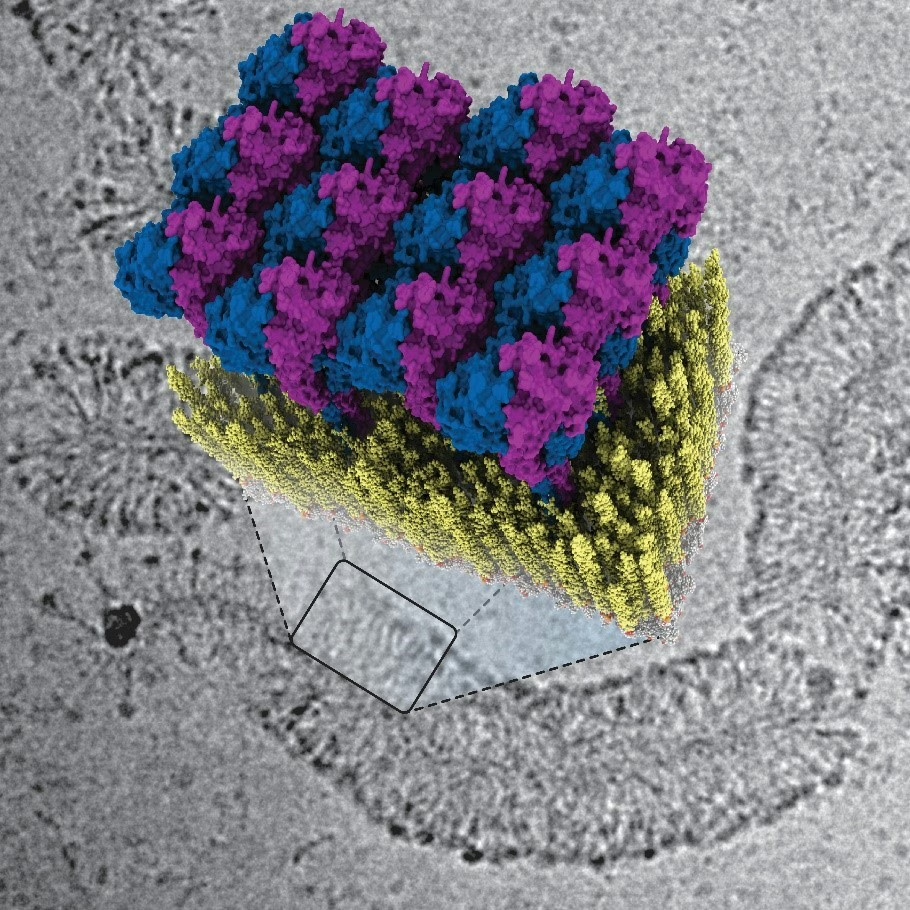
Scientists discover how cells envelop bacteria
The protein GBP1 is a vital component of our body’s natural defence against pathogens. This substance fights against bacteria and parasites by enveloping them in a protein coat, but how the substance manages to do this has remained unknown until now. Researchers from Delft University of Technology and the AMOLF have now unravelled how this protein operates. This new knowledge, published in Nature Structural & Molecular Biology, could aid in the development of medications and therapies for individuals with weakened immune systems.
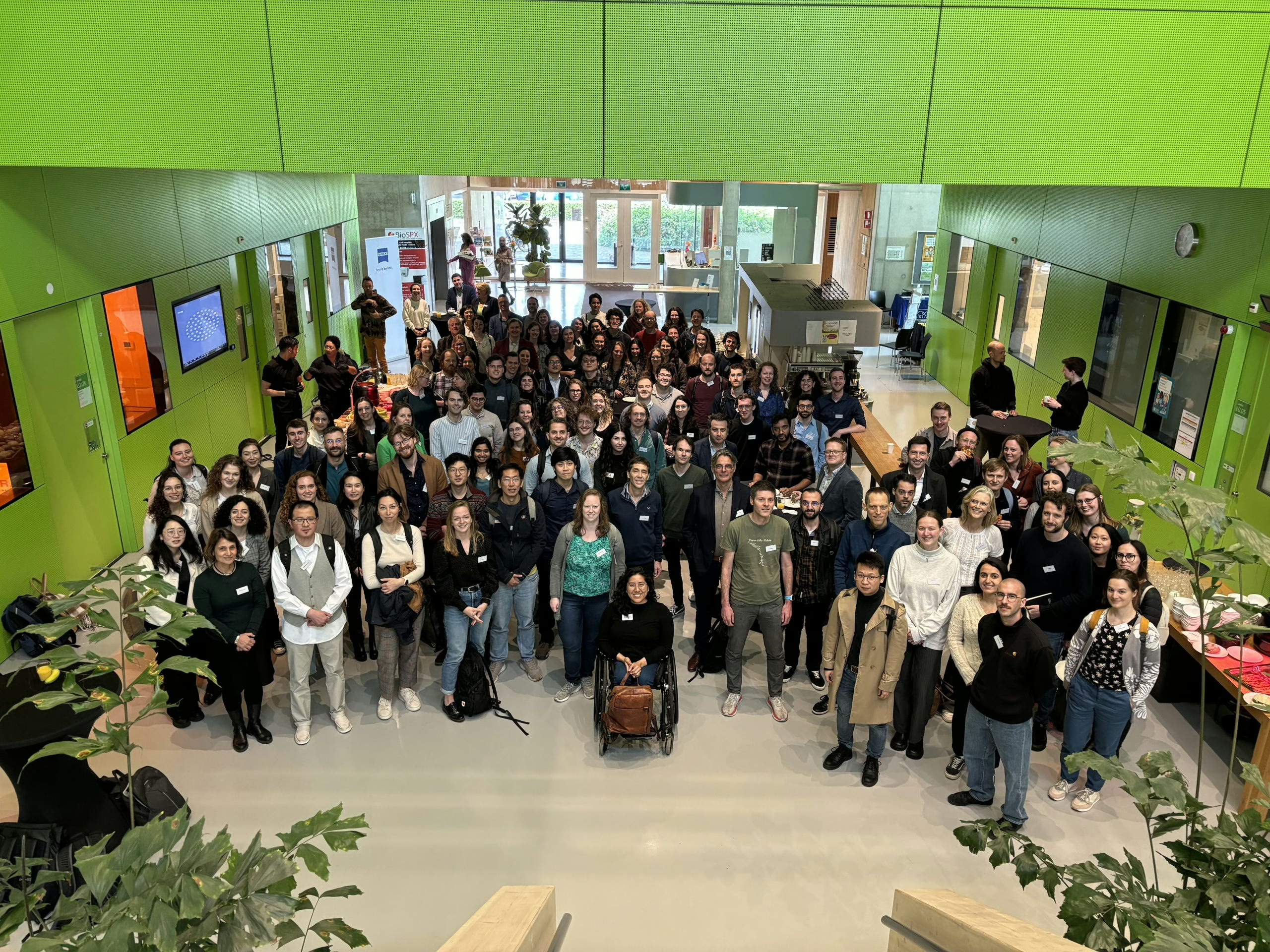
OrganoidNL 2024: Latest advances in organoid research
On April 12th, the second edition of the OrganoidNL Conference was held at AMOLF. This one-day event united over 160 researchers from the Netherlands and neighboring countries, all passionate about organoid technology and biology.
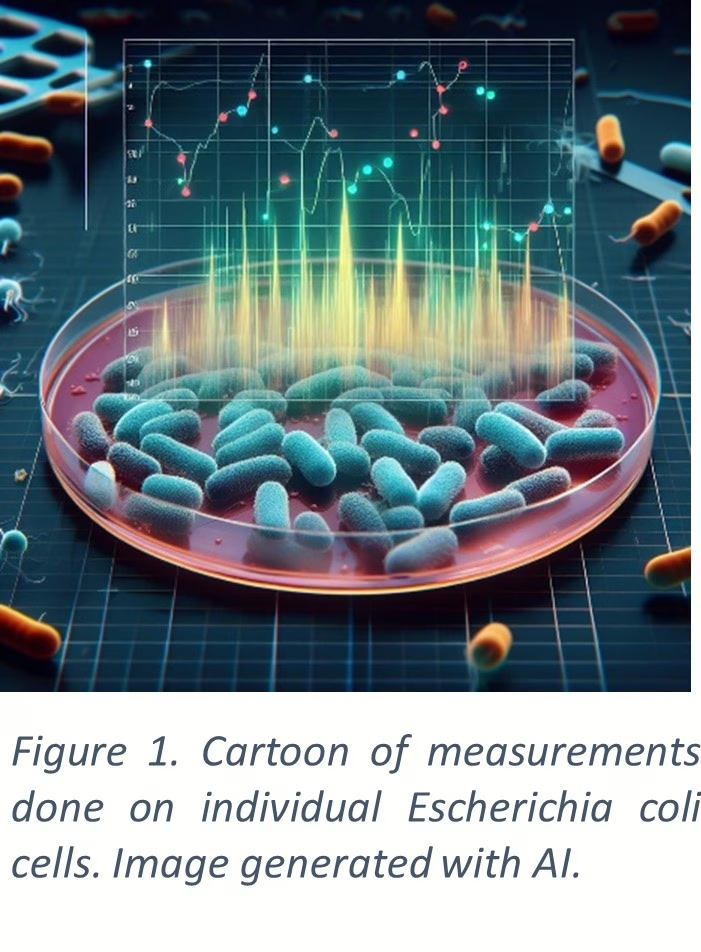
How bacteria cope with randomness
Bacterial behavior is profoundly influenced by continuous random perturbances in their regulatory pathways. Researchers from institute AMOLF and Utrecht University found a new way by which bacteria cope with these perturbances. By performing microscopy measurements on individual bacteria, and mathematical modeling, they found that a regulatory mechanism well-studied for its response to external conditions also has a previously unrecognized role in dealing with metabolic fluctuations. The study yields new insights into cellular homeostasis and regulatory interactions. The results were published in the journal Cell Reports.