When success feels like luck
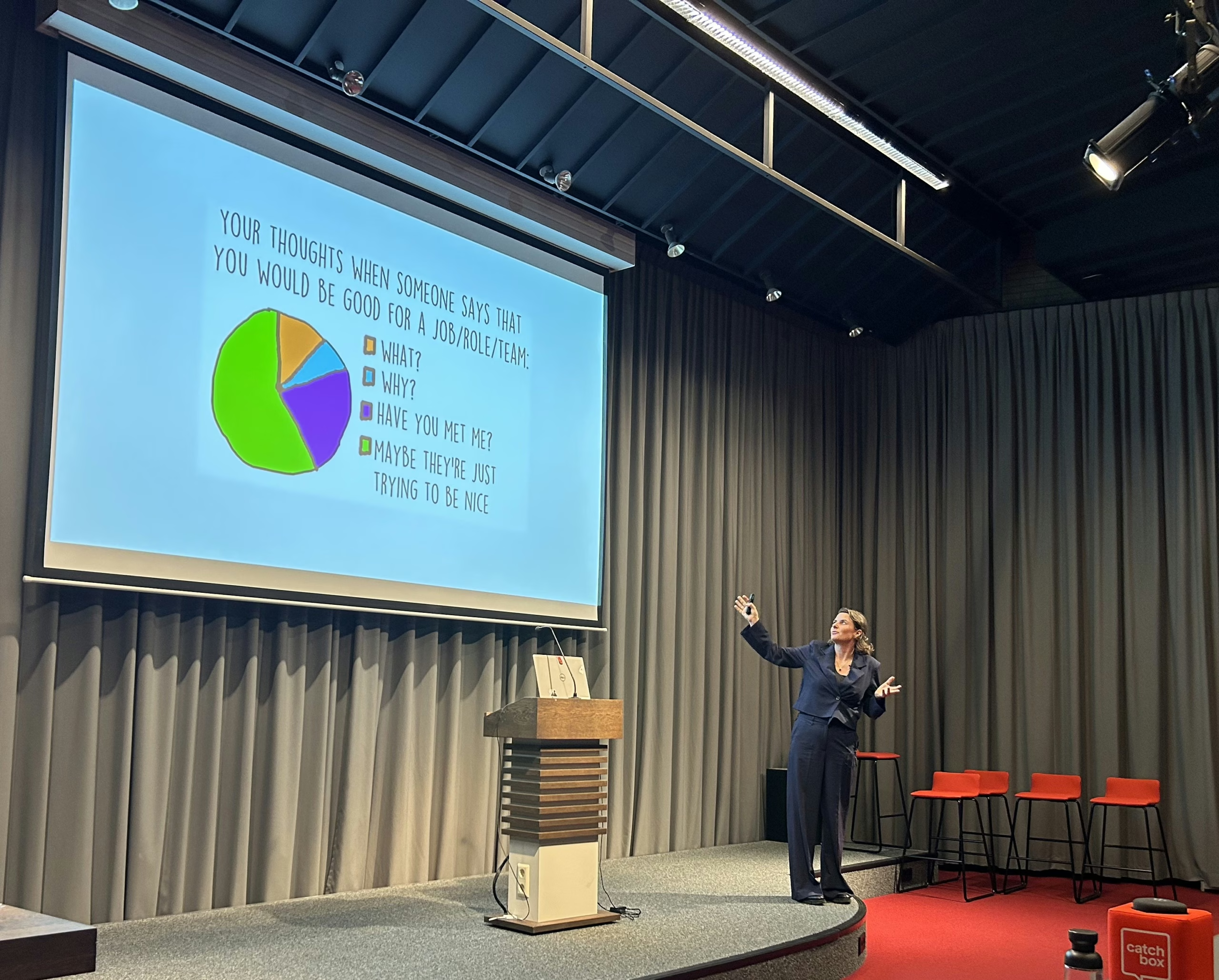
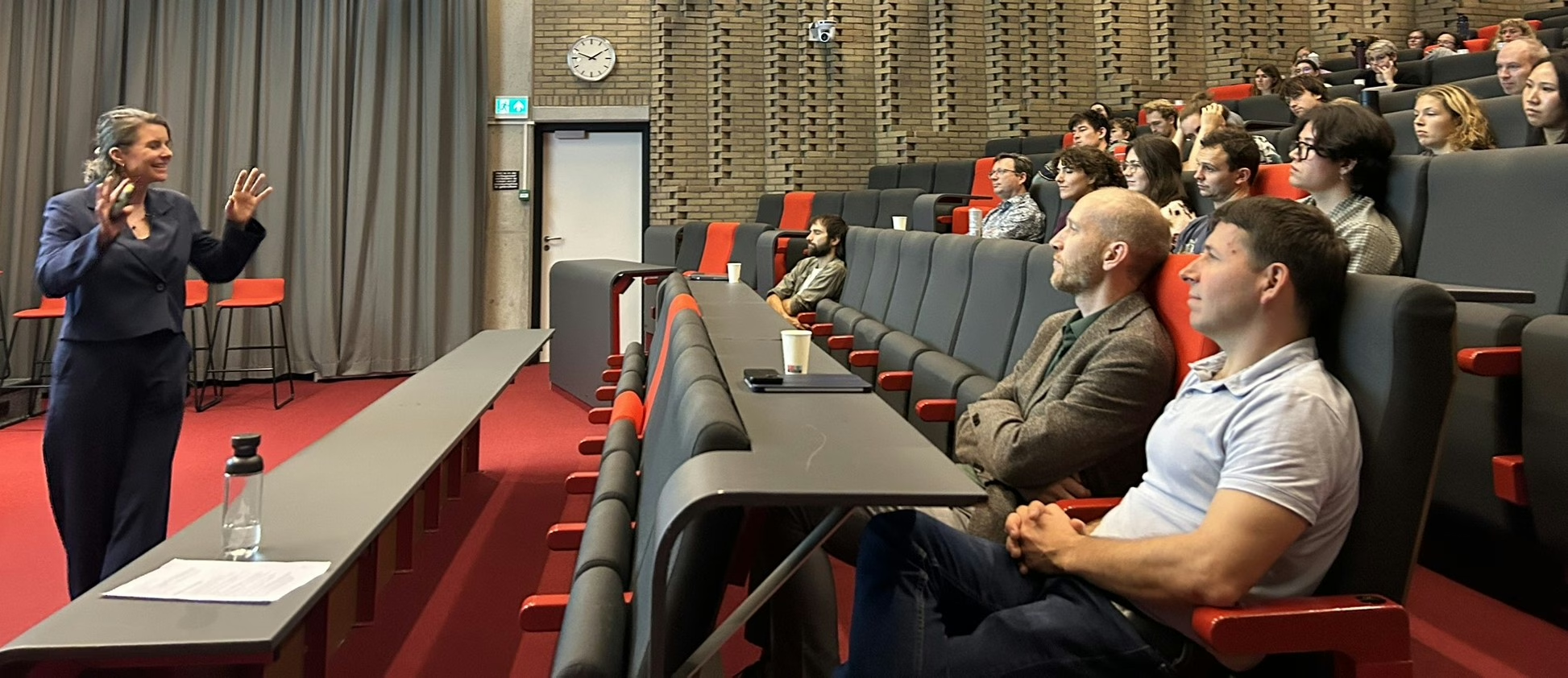
The afternoon started with a lecture by Dr. Sanne Feenstra (Vrije Universiteit Amsterdam). She began by discussing the negative connotations associated with the term ‘impostor syndrome’. A better description, she explained, is the ‘impostor phenomenon’. Sanne gave various examples of situations in which people of all ages and in different roles can feel like an impostor. For example: “I got lucky, but will I be able to do it again?” and “People expect me to know this.”
System change
Instead of viewing these feelings as a syndrome, Sanne suggests looking at the system and what needs to change. “We know that in some cases men and women report similar rates of imposter phenomenon, while in other scenarios women experience it more frequently. My research looks at how the surrounding environment supports or suppresses these feelings.” Competitive environments, such as academia, are also more likely to make people feel like impostors.
So, how can we reduce the impostor phenomenon? Complimenting your colleagues is one option, but not with just any generic compliment. “Compliment your colleague in a specific manner, such as pointing out that they handled a question well or did a good job with the layout of the slides in their presentation.” This makes it clear that you are not simply being nice and helps them accept the positive intentions as authentic.
Learn more
To read more about Diversity and Inclusion at AMOLF, go to the AMOLF Diversity and Inclusion page.