Information in Matter
Physics of Behavior

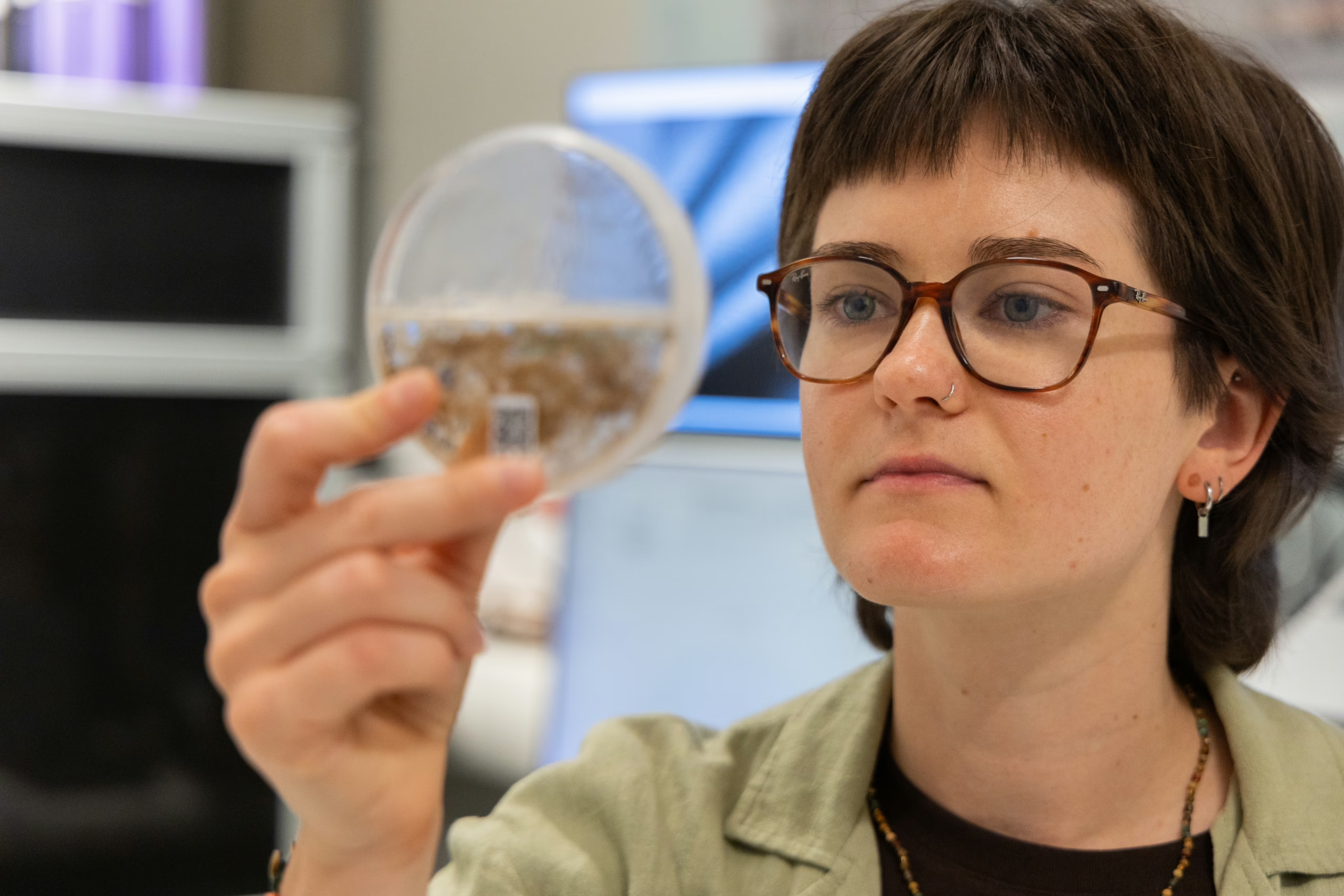
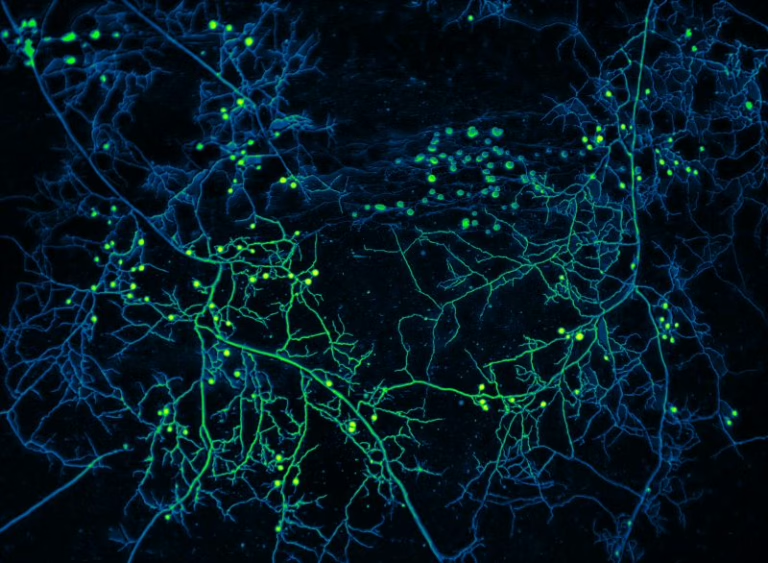
Physics of Behavior focuses on developing a physical understanding of biological behavior. Researchers develop in vivo experiments to measure dynamics at multiple spatial and organizational scales, as well as theoretical modeling and data analysis frameworks to connect phenomena across those scales. Primary model organisms are E. coli, mycorrhizal fungi and the nematode C. elegans.
Research focus
Living organisms sense and respond to their environment through intricate networks of molecular and cellular interactions. Because these networks are shaped by the problems organisms must solve, they can be seen as biological algorithms refined by natural selection. Our research studies how quickly organisms sense and respond to their environment, and how this timing is constrained by their biological machinery and by evolution.
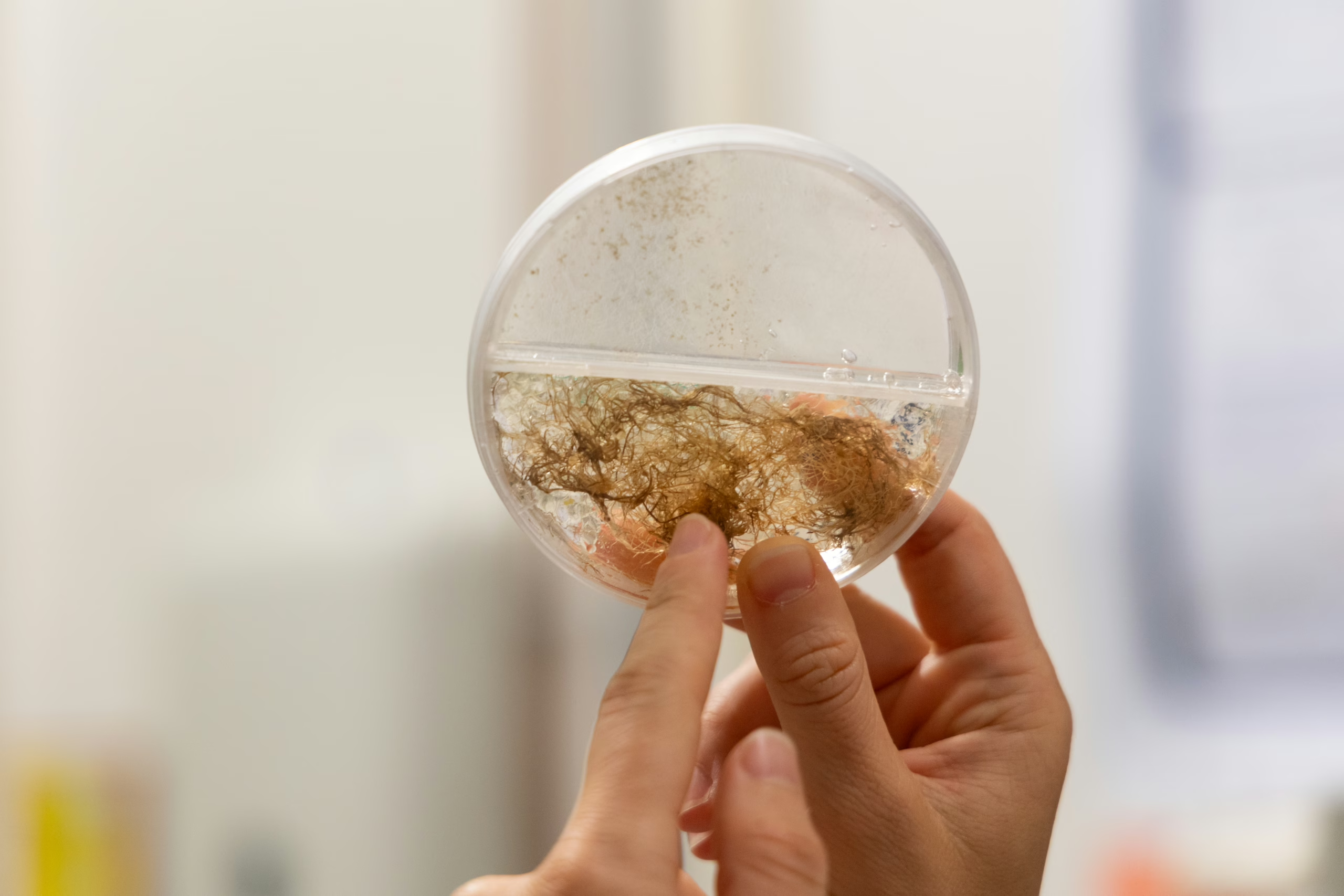
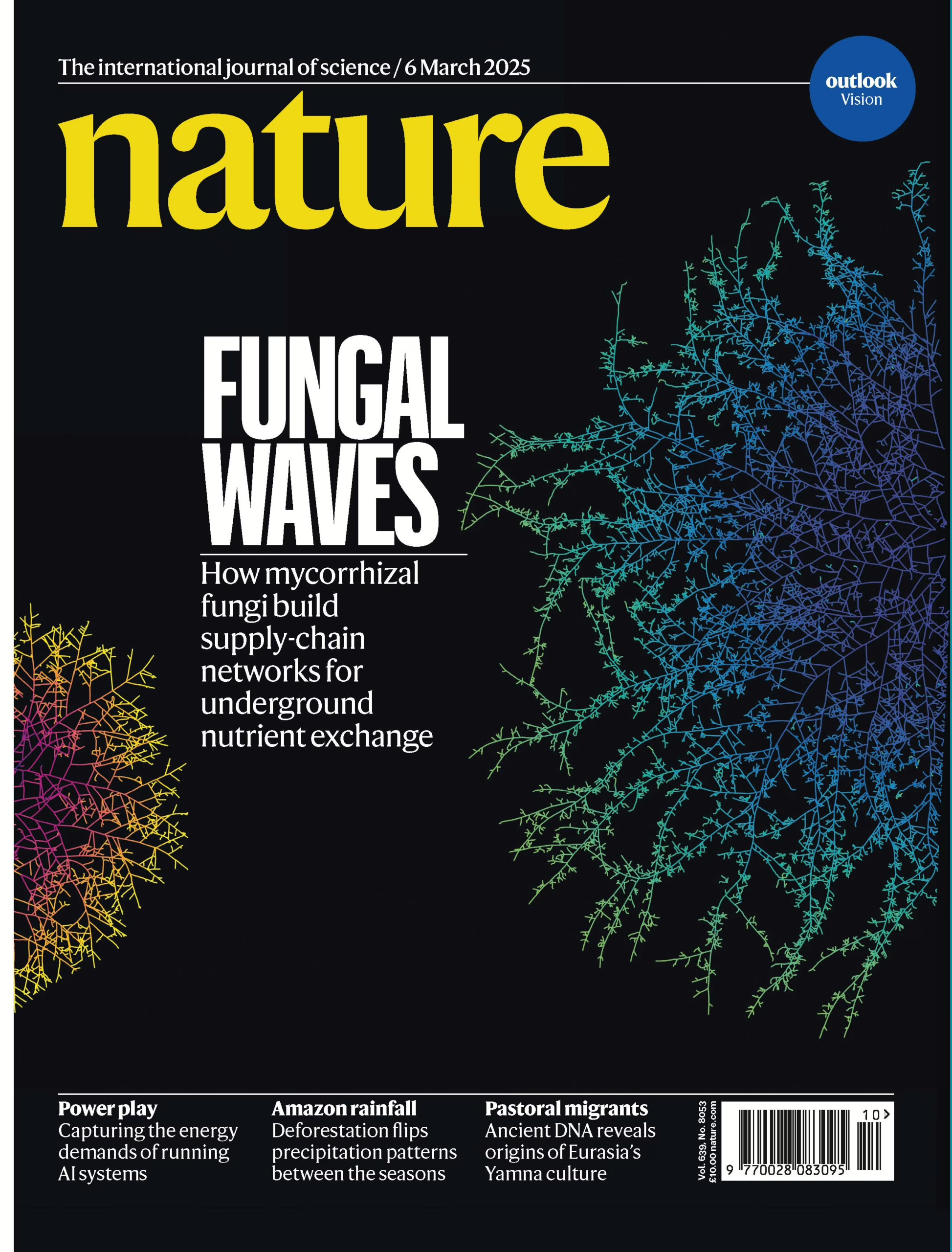
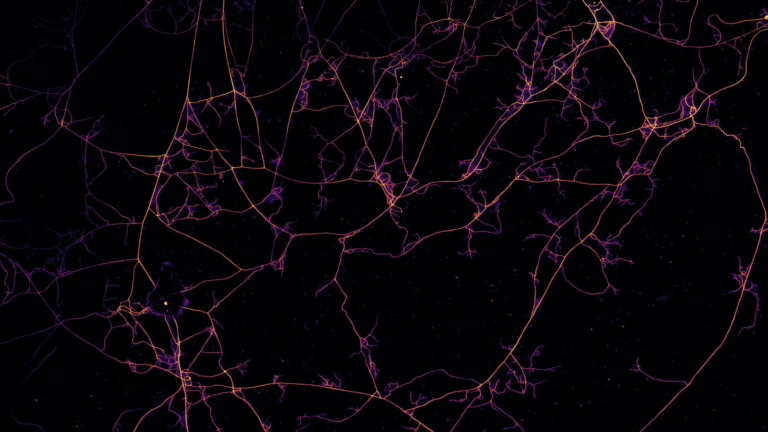
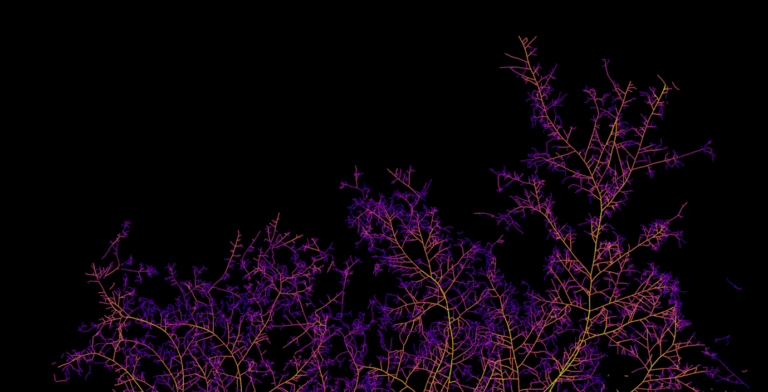
We ask whether naturally evolved systems can be understood using the same concepts engineers use to design machines, or whether biology follows its own distinct design principles. To address these questions, we study a wide range of systems, from fungal networks that transport massive amounts of carbon and nutrients underground to support entire ecosystems, to cell populations that rapidly manage risk and uncertainty. Microbes and other small organisms are especially powerful model systems, because their signaling, behavior, and evolution unfold on time scales that can be studied directly in the laboratory.
Imaging techniques
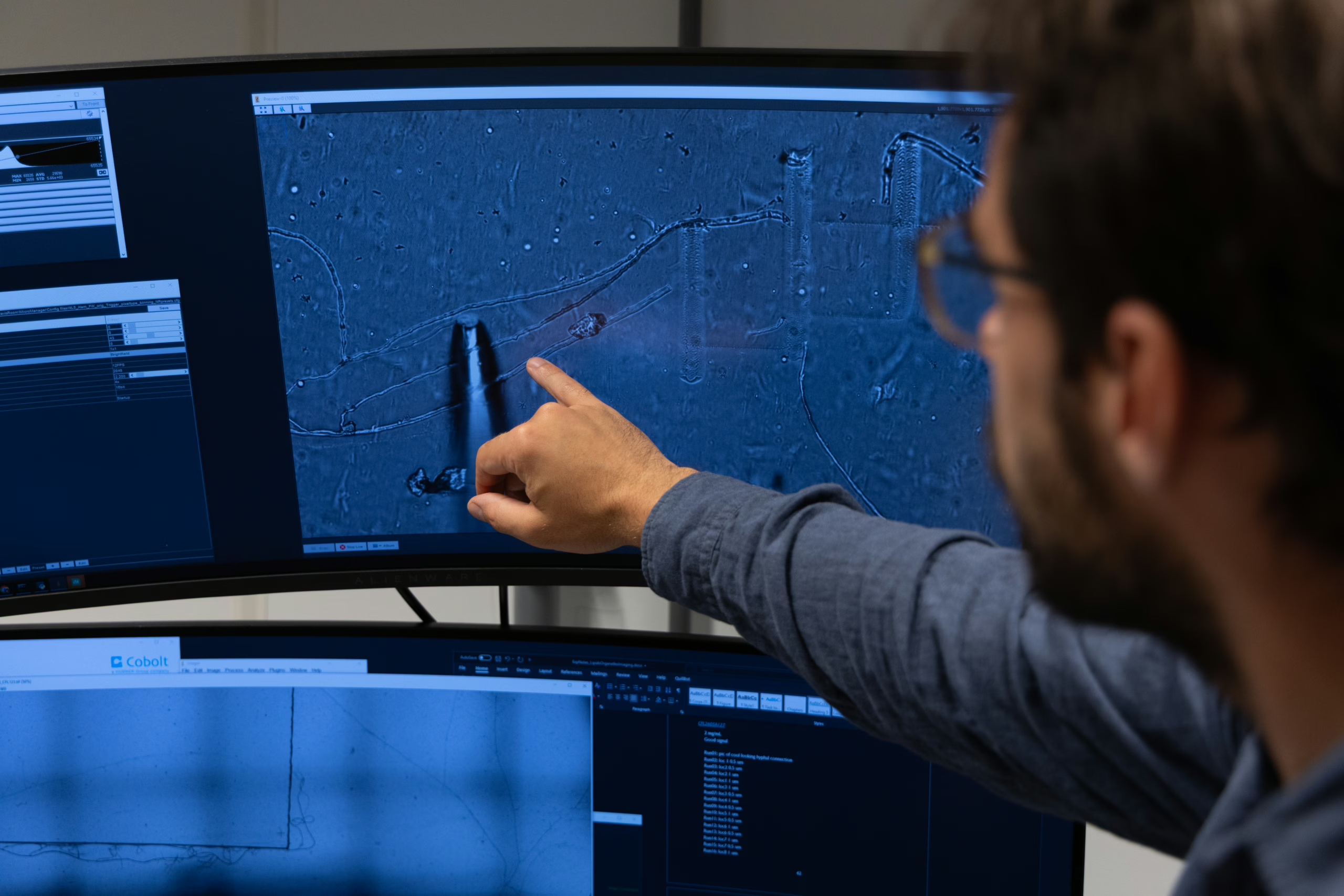
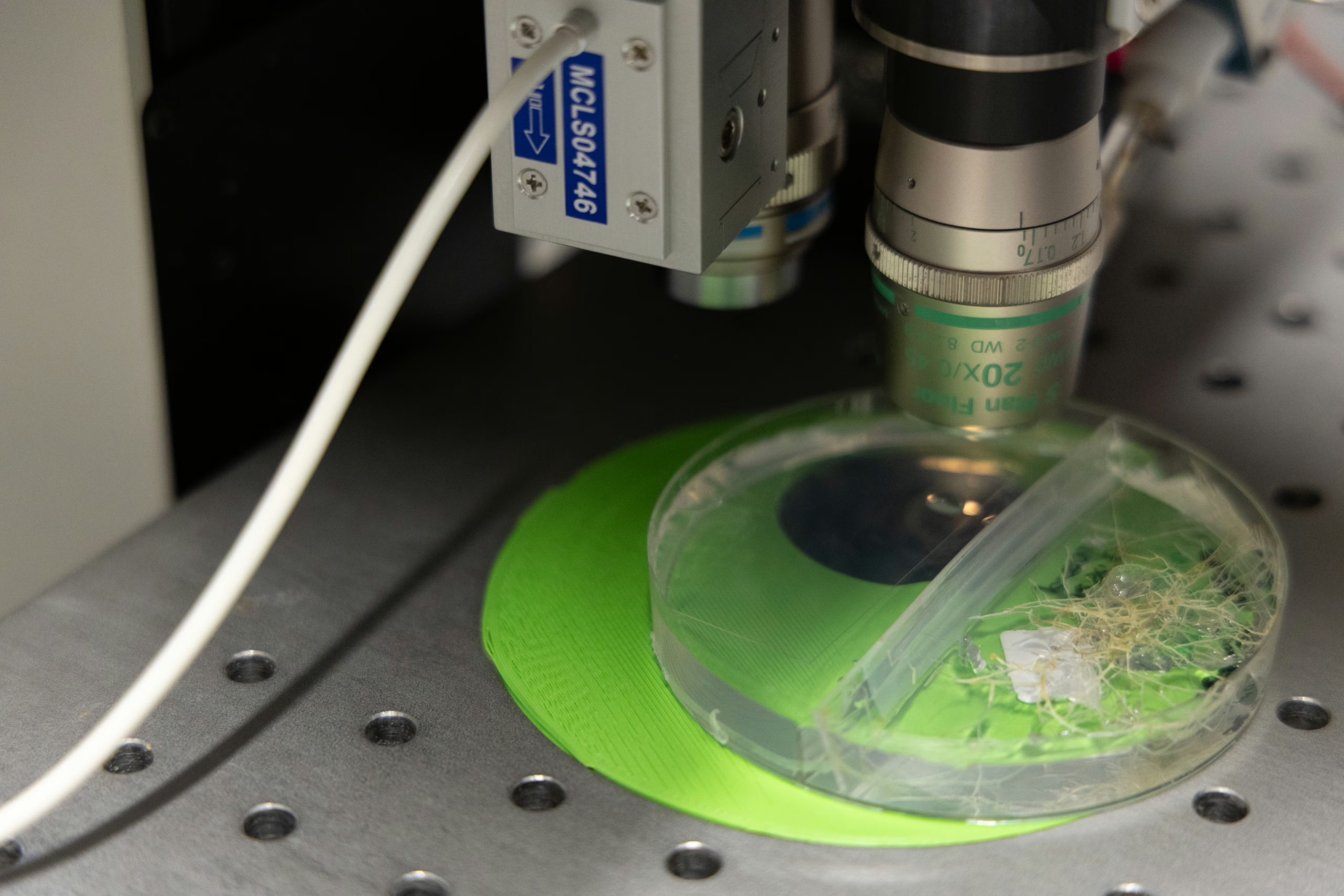
We develop a variety of imaging techniques across a range of scales, from single molecules to cells to whole organisms. We study the design of behavior and its underlying control physiology, and in turn its implementation at the cellular and molecular level. We make extensive use of fluorescence, microfluidics, genetic engineering, robotics, and at times DNA/RNA sequencing to dissect behavior, and methods and ideas from statistical physics to make sense of the dynamics we observe across scales.










Physics of Behavior Latest news






Most recent publications