
News & updates
Latest developments from our institute
Stay informed about new research results, awards, events, and collaborations across our scientific community.
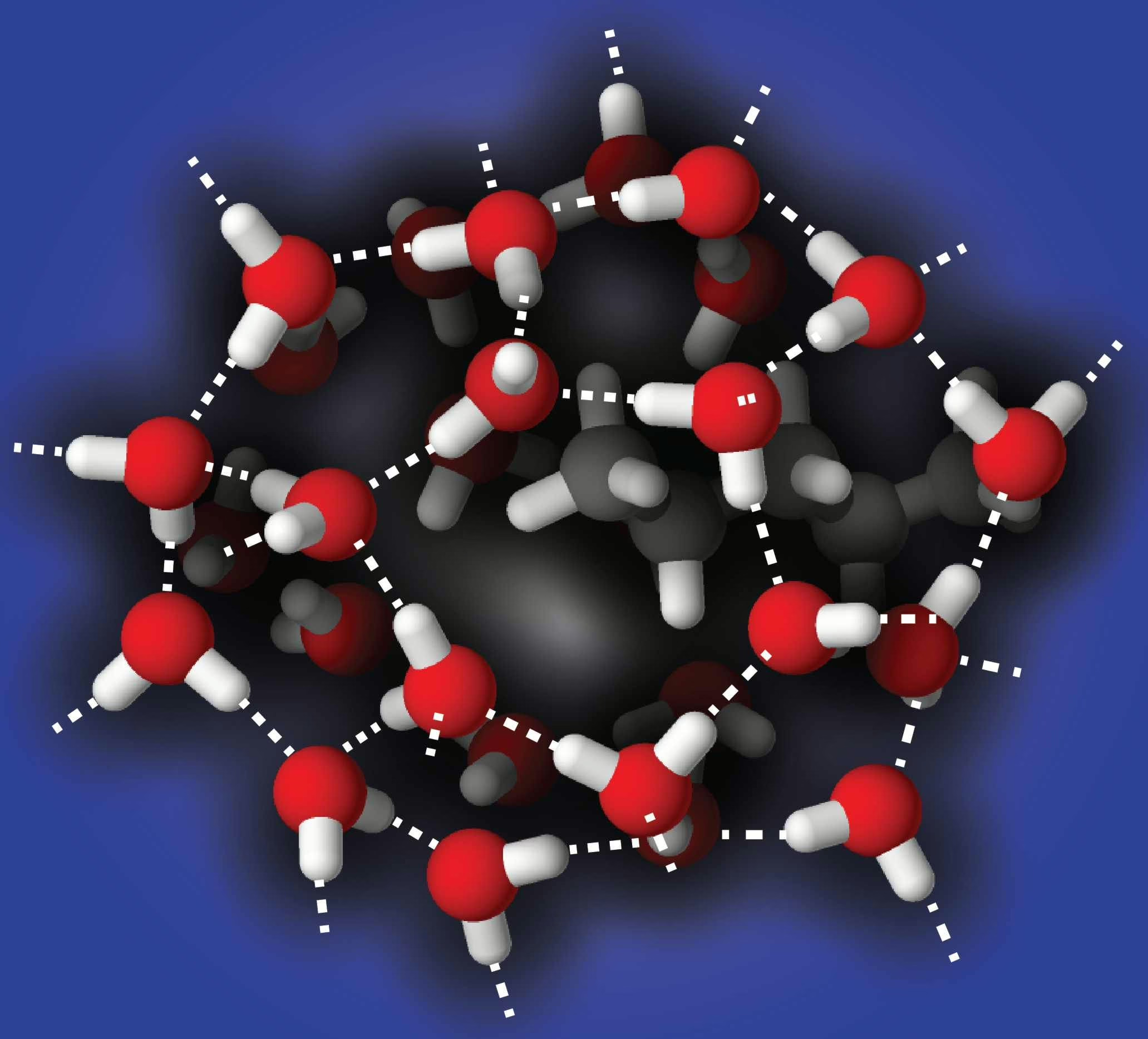
Water is surprisingly ordered at the nanoscale
Researchers from AMOLF and Swiss EPFL have shown that the surface of minuscule water drops surrounded by a hydrophobic substance such as oil is surprisingly ordered. At room temperature, the surface water molecules of these droplets have much stronger interactions than at a normal water surface. This may shed new light on a variety of atmospheric, biological and even geological processes.
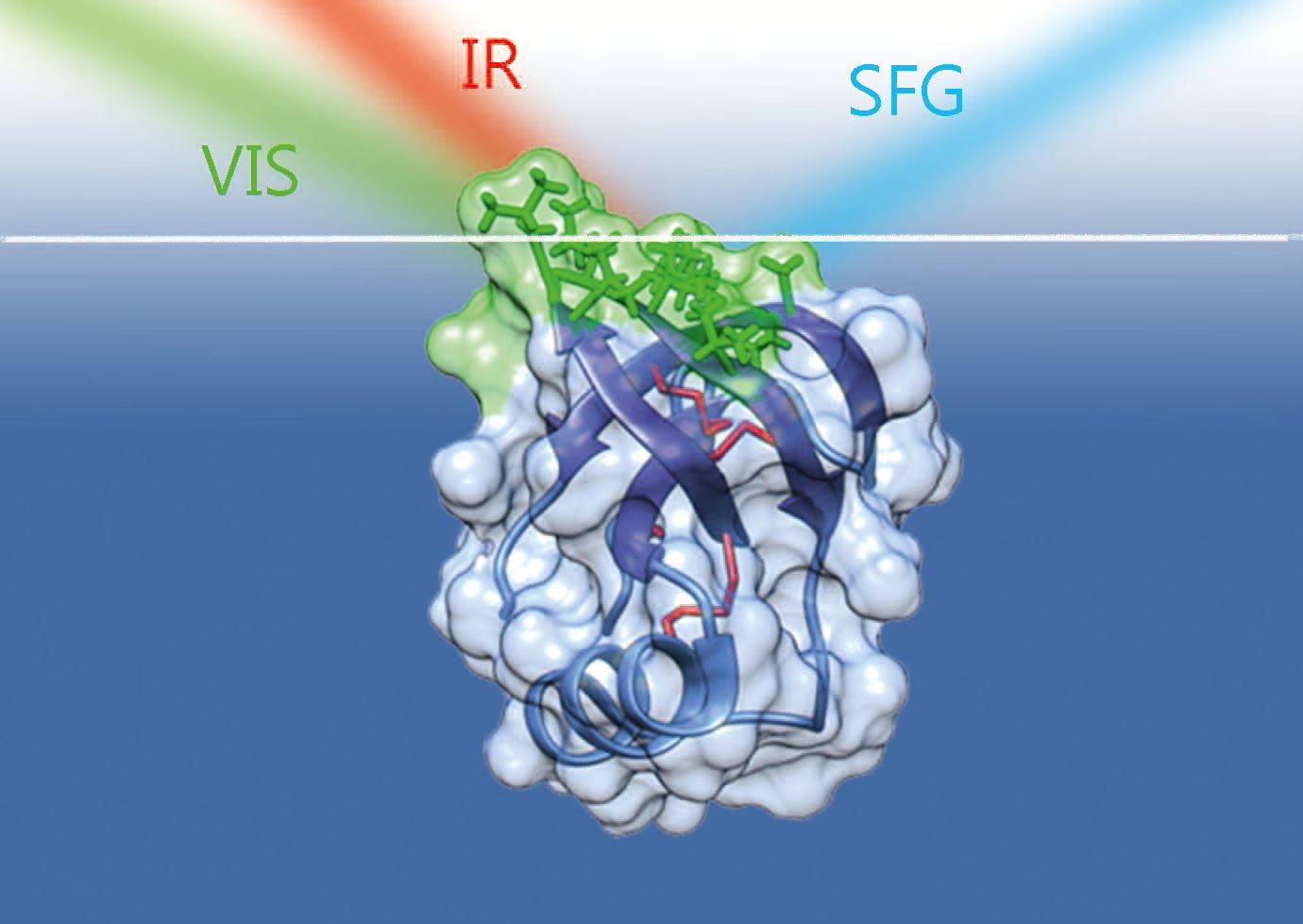
Shining Light on Nature’s Raincoat
The skin of a fungus consists of protein molecules called hydrophobins that together form a protective film. These hydrophobin films show an exceptionally large elasticity and are highly water-repellent, thus forming a natural rain coat. The origin of these special properties are a mystery. Researchers from AMOLF have succeeded to study the properties of hydrophobin films at the molecular-level using advanced interfacial spectroscopy. Together with colleagues from Finland and a research group of the University of Amsterdam (UvA), the researchers describe their findings in the Journal of Physical Chemistry Letters.
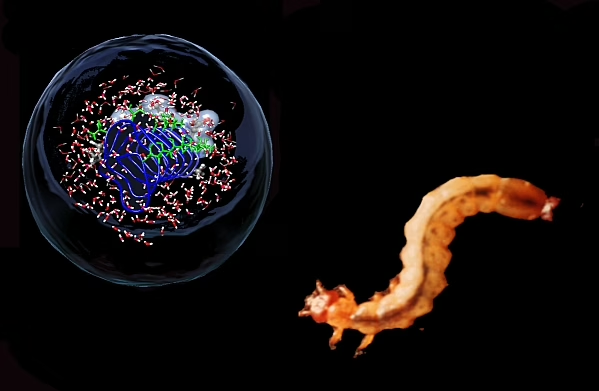
Konrad Meister selected for 67th Lindau Nobel Laureate Meeting
AMOLF Postdoc Konrad Meister has been selected for the 67th Lindau Nobel Laureate Meeting that will be held from 25 until 30 June, 2017. Once every year, 30–40 Nobel Laureates come together in the German lakeside town of Lindau to meet the next generation of leading scientists. This year the meeting is dedicated to chemistry and 400 – 500 young scientists from all over the world were chosen to attend. Meister is looking forward to this once-in-a-lifetime opportunity and to discuss and mingle with the Nobel Lauretares and scientists on the picturesque island in Germany.
Cum laude defense Carien Groot
On January 13th Carien Groot successfully defended her PhD thesis Dynamics of water interacting with biomolecules at the University of Amsterdam. She obtained the cum laude degree for her doctorate research in the Ultrafast Spectroscopy group of Huib Bakker. This degree is reserved for the top 5% of students.
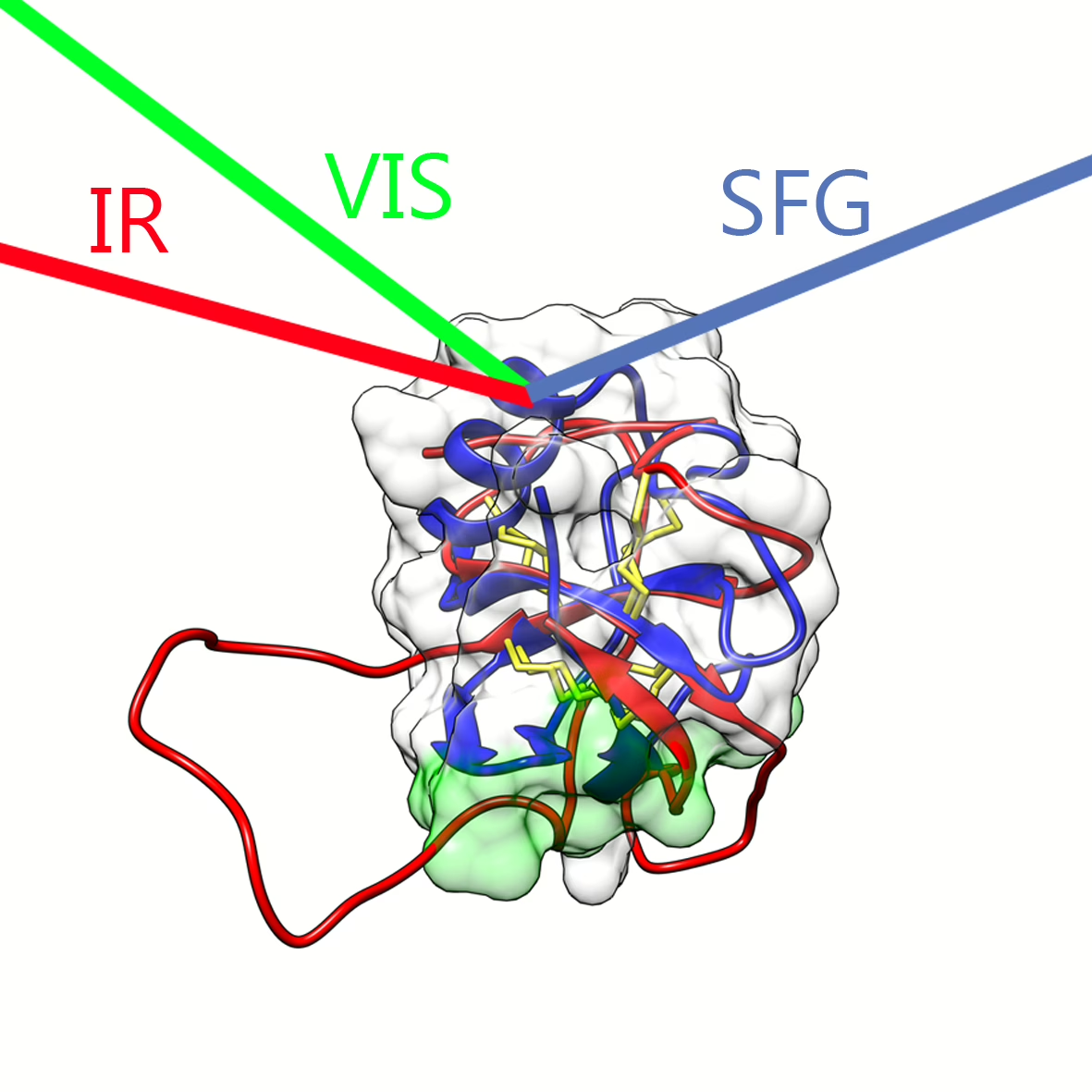
How do hydrophobins work at the water surface?
Hydrophobins are a group of highly surface-active proteins that are produced by fungi. They are known for their unique functions related to interfaces. Hydrophobins largely reduce the surface tension of water, strongly adhere to surfaces and form protective surface coatings, all functions that play important roles in fungal physiology. Hydrophobins are used in several industrial applications, such as foams, dispersions and functional coatings. These applications rely on the unique surface properties of hydrophobins characterized by the proteins’ self-assembly into robust films.
Veni grants for Scott Waitukaitus & Andrew Musser
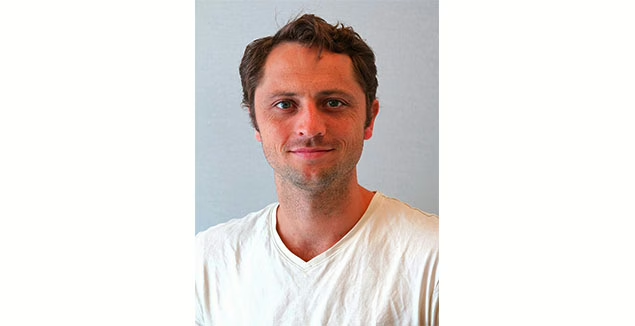
The Netherlands Organisation for Scientific Research (NWO) awarded Veni grants to the AMOLF researchers Scott Waitukaitus and Andrew Musser. In total 158 researchers received a Veni grant with a maximum of 250.000 euro.
Proteins absorb water before unfolding
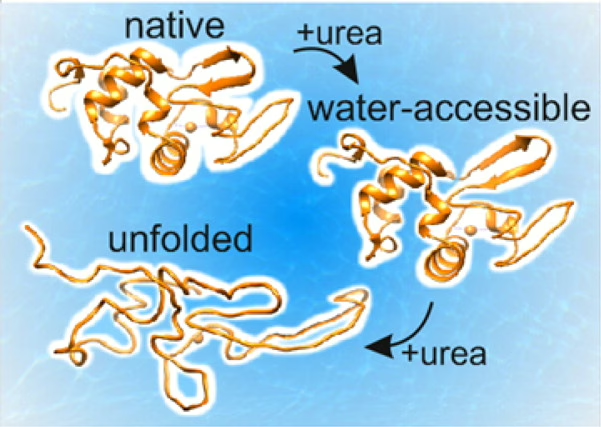
Proteins perform specific biological functions for which they strongly depend on their three-dimensional structure that results from the folding of the polypeptide chain. The mechanisms by which proteins fold and unfold are still not fully understood.
No clear winner when it comes to antifreeze protein efficiency
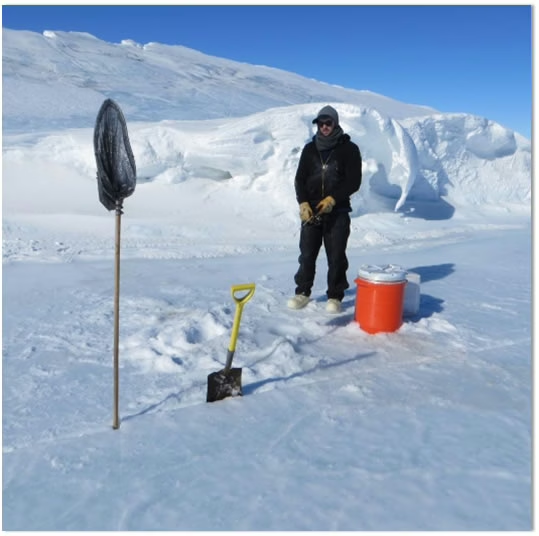
Ever since biologist Arthur DeVries discovered antifreeze proteins in Antarctic fish in the 1960’s, researchers have tried to unravel the mystery behind these remarkable proteins. Thanks to the proteins in their body fluids these fish, and other extremophiles, do not freeze in the cold environment in which they live. The antifreeze proteins, of which there are several varieties, attach to small ice crystals, thereby hindering their growth. So while ice may form in the blood, the crystals are so small that the blood is not deprived of its functions.