
News & updates
Latest developments from our institute
Stay informed about new research results, awards, events, and collaborations across our scientific community.
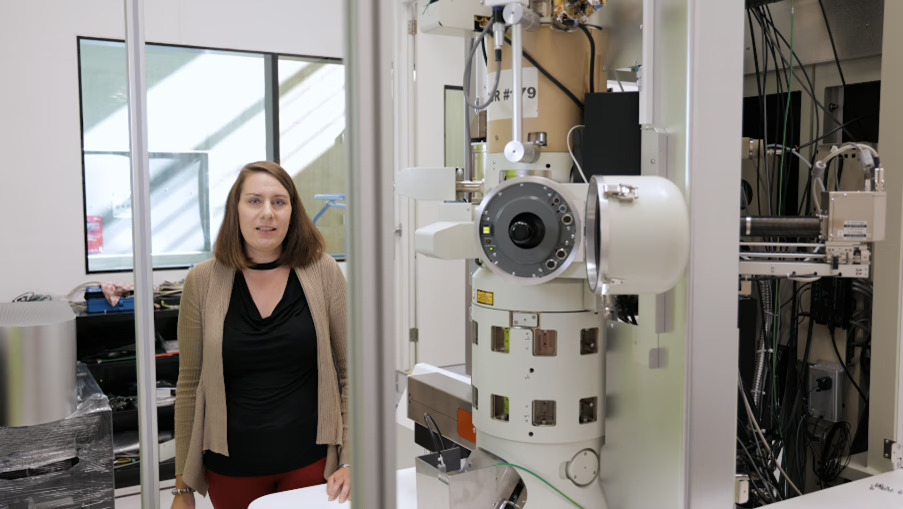
Transmission Electron Microscope (TEM) launch celebrated on 11 October
AMOLF acquired a unique instrument: a Transmission Electron Microscope (TEM). With this microscope researchers can now watch materials at the atomic scale and see what is happening over time and under the influence of light. This microscope is open to everyone with an academic or industrial affiliation at an hourly fee. Its launch was celebrated at the Sustainable Energy Materials symposium on 11 October.
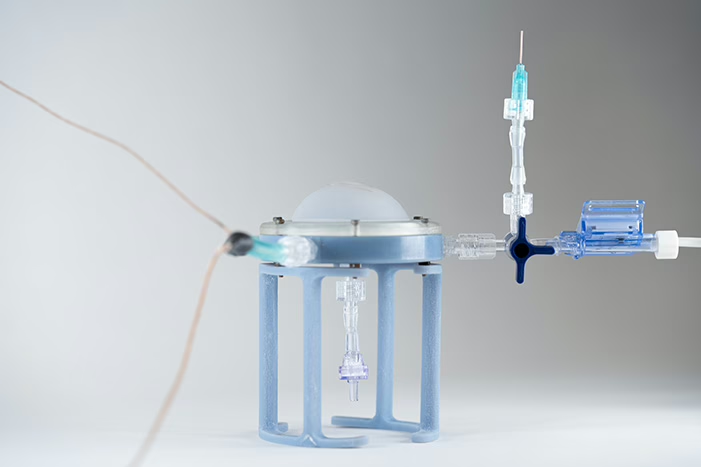
Alberto Comoretto finding answers at MIT
People typically think of robots as hard, metallic objects, but soft robots are on the rise offering many advantages, such as their ability to adapt to the human body and the environment. Alberto Comoretto is a PhD student in the group of Bas Overvelde (Soft Robotic Matter). He shares his experiences of working as a visiting researcher at MIT in Boston for four months.
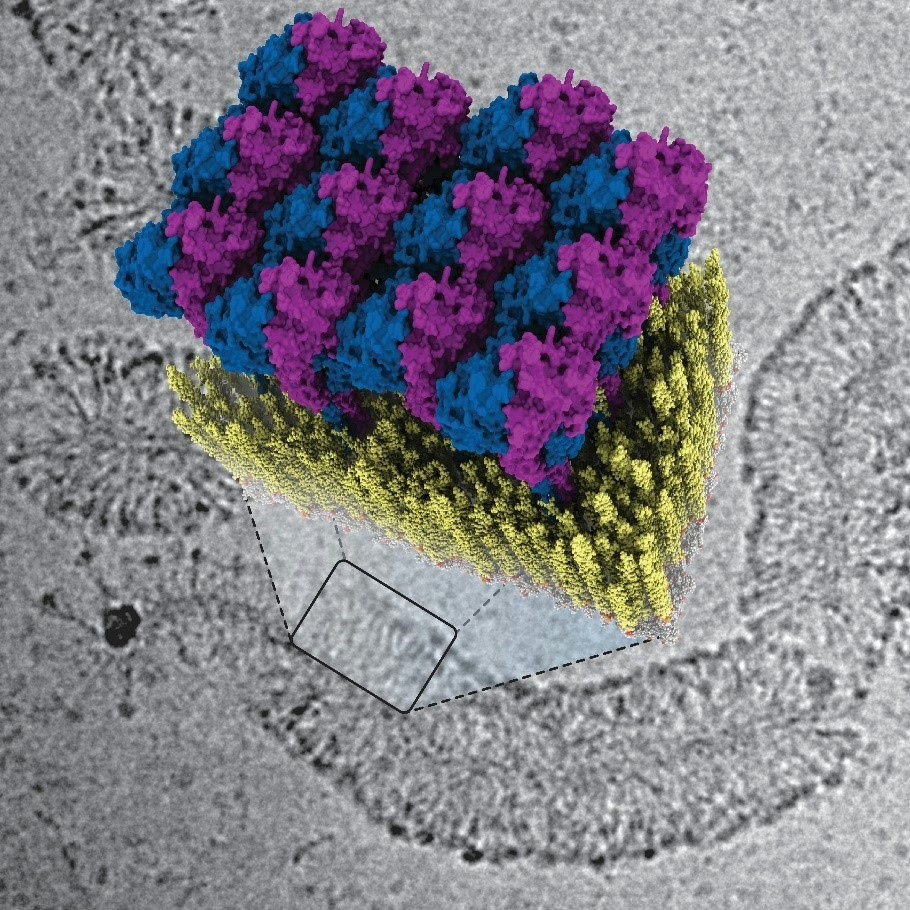
Scientists discover how cells envelop bacteria
The protein GBP1 is a vital component of our body’s natural defence against pathogens. This substance fights against bacteria and parasites by enveloping them in a protein coat, but how the substance manages to do this has remained unknown until now. Researchers from Delft University of Technology and the AMOLF have now unravelled how this protein operates. This new knowledge, published in Nature Structural & Molecular Biology, could aid in the development of medications and therapies for individuals with weakened immune systems.
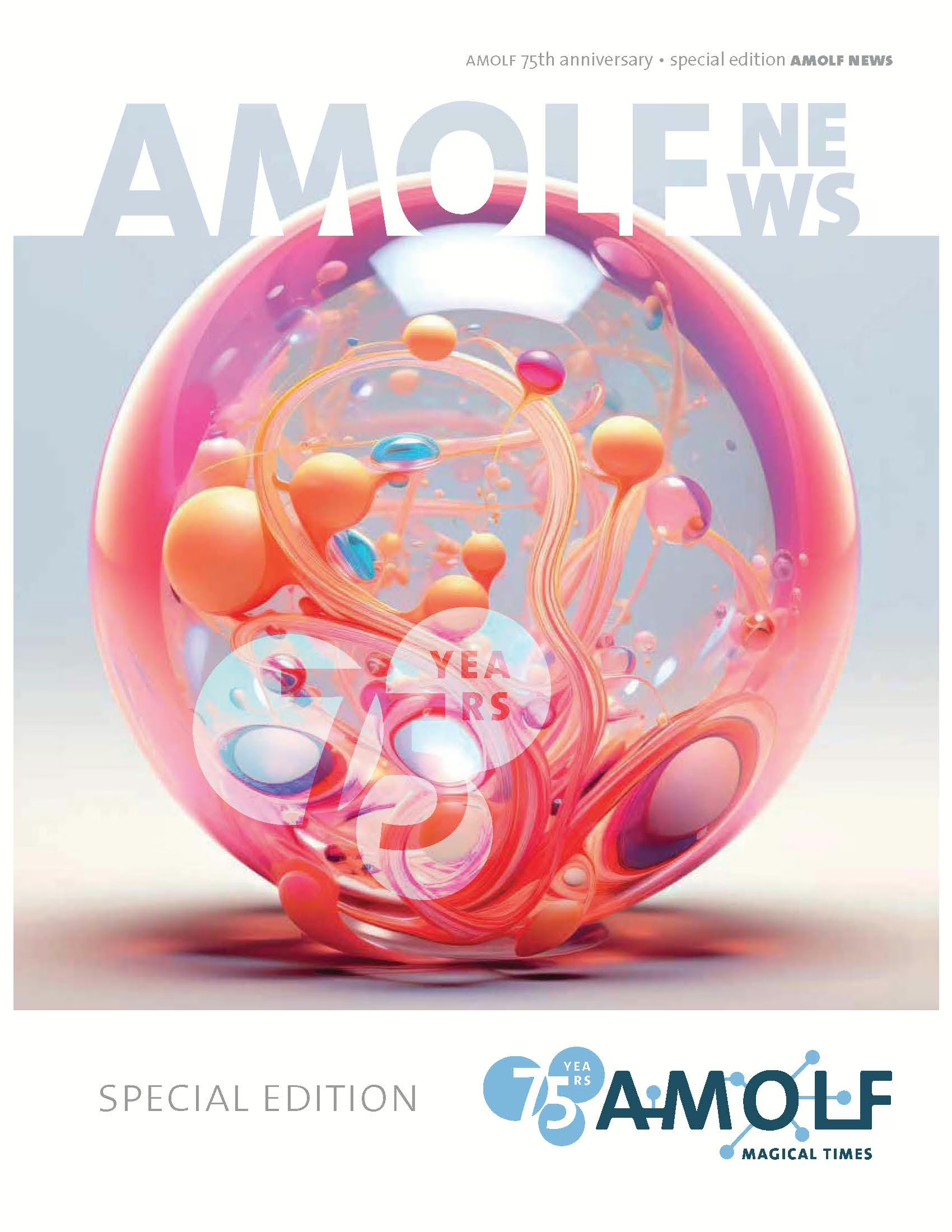
Read the 75 years AMOLF magazine special online!
This edition of AMOLF NEWS is a special publication marking AMOLF’s 75th anniversary. It is a one-time issue. Read the magazine to learn more about 75 years of magical times at AMOLF. To stay updated, sign up for the AMOLF digital newsletter.
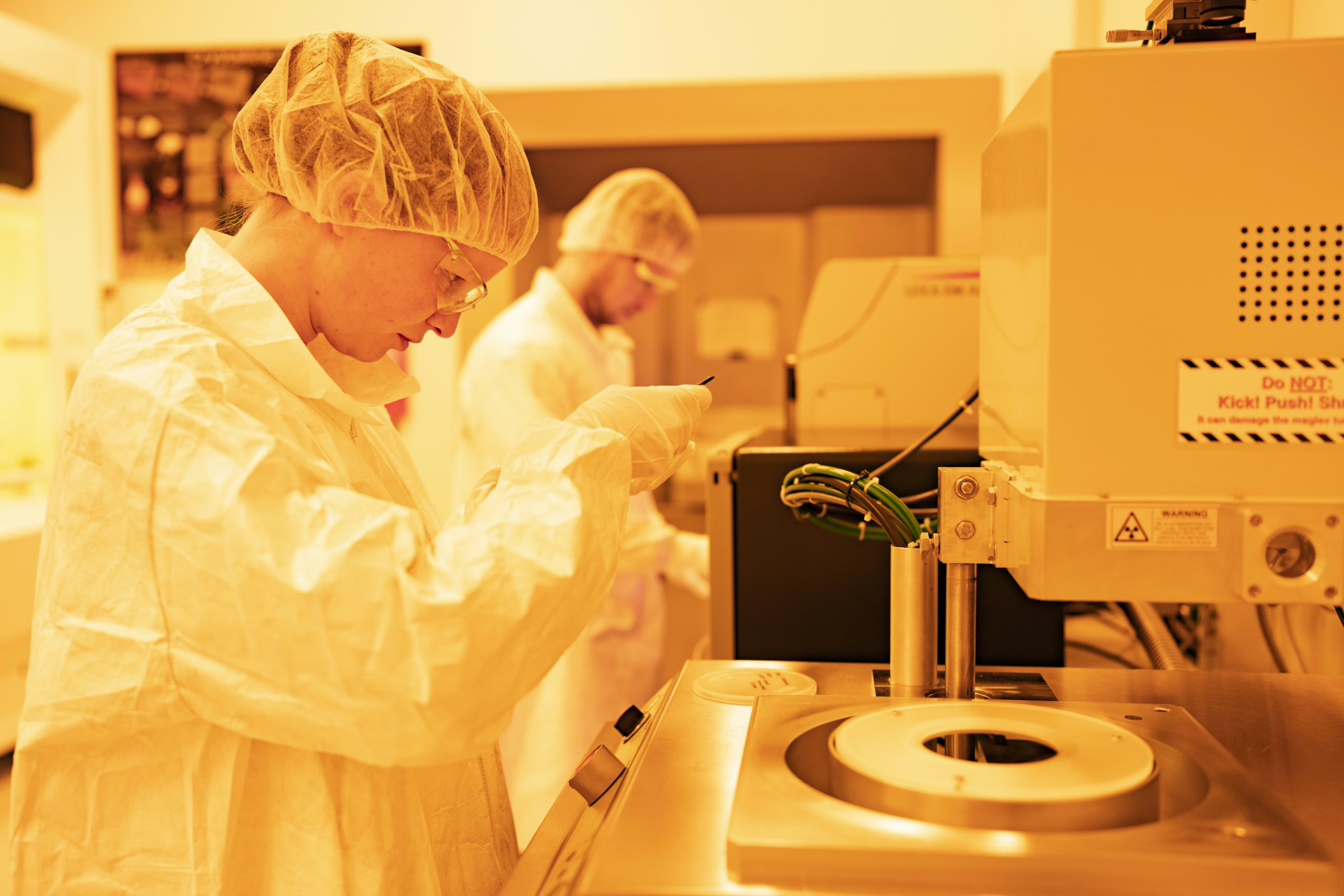
Remodeling of NanoLab
Currently, NanoLabNL at AMOLF is being remodeled to further strengthen the facility. Because of the construction work NanoLabNL at AMOLF is closed. The lab expects to re-open on August 1st, with more and more equipment coming online throughout August.
SEP Committee report
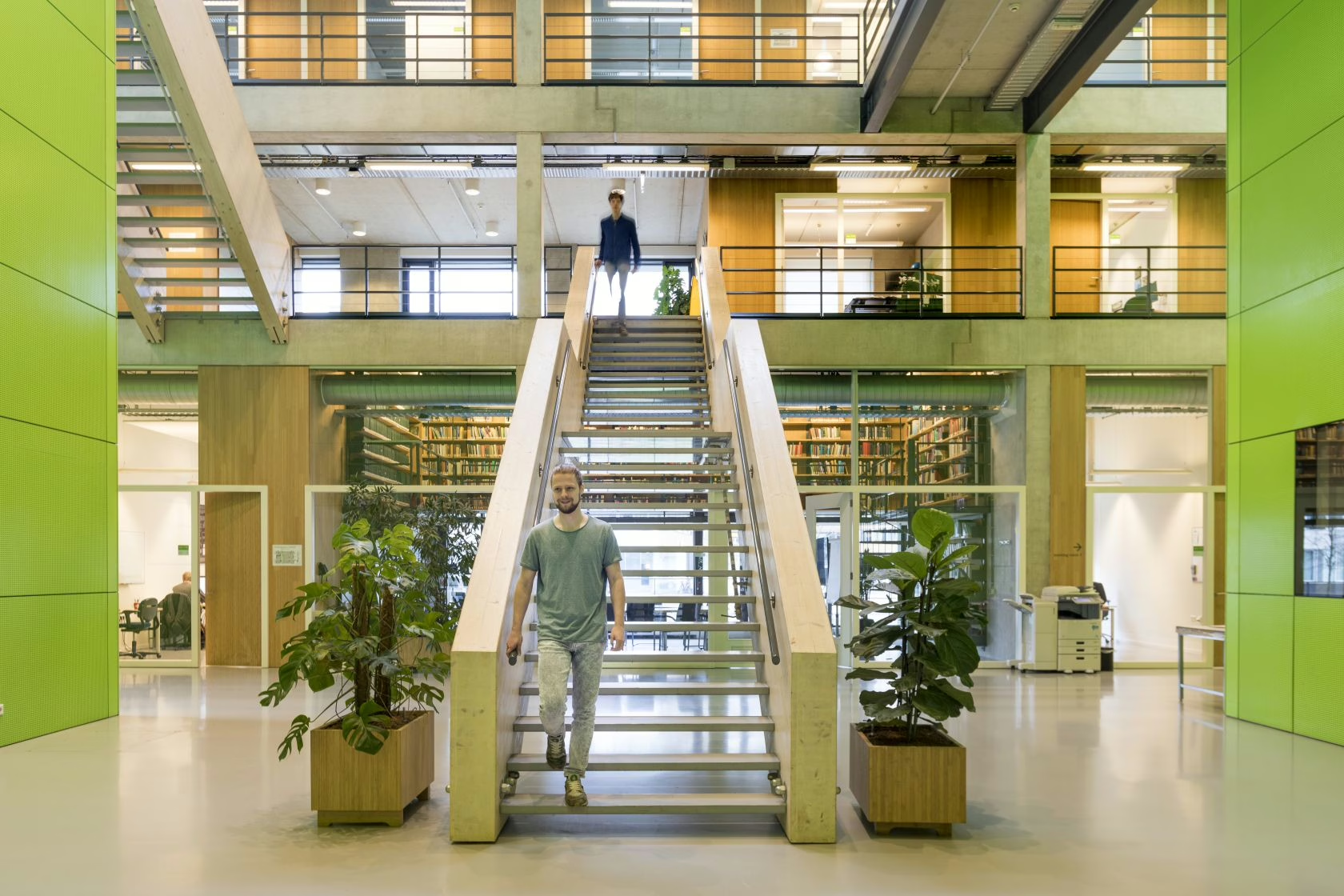
Every six years the NWO institutes are evaluated by an external international committee according to the so-called Strategy Evaluation Protocol (SEP). In December 2023, an international committee chaired by Professor Hans Hilgenkamp (University of Twente) visited AMOLF. The final evaluation report has recently been shared with NWO and AMOLF. The committee is very impressed by the excellent research at AMOLF and the collaborative and inclusive work environment.
Creating life from lifeless biomolecules with AI and lab evolution
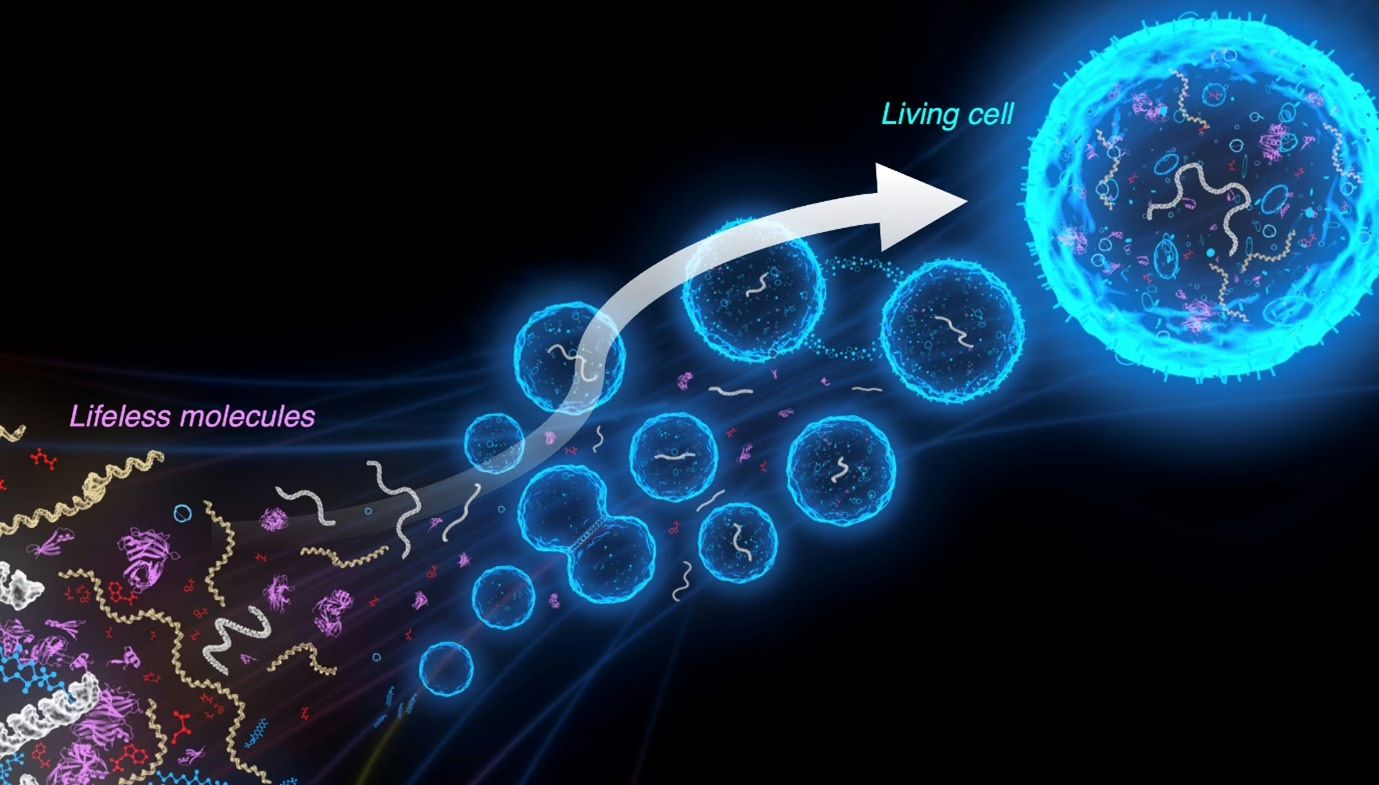
“What is life? How does a living cell emerge from lifeless molecules?” wondered a multidisciplinary team of Dutch scientists. To answer these questions the research team, with three AMOLF research groups and led by TU Delft, aims to build a living synthetic cell from lifeless biomolecules, using laboratory evolution and artificial intelligence for the first time. The ten-year research program to do so, entitled “Evolving life from non-life” or simply “EVOLF”, was awarded 40 million euro by the Dutch Research Council (NWO) as part of the Summit grants scheme.

Computing with rubber
Without electronics carrying out computational tasks our daily lives would look very different. Devices such as elevators, vending machines, turnstiles, washing machines and even traffic lights use a simple form of electronic computing to switch from state to state. But, what if power supply is not available to operate these devices? A research team led by Martin van Hecke from Leiden University and AMOLF has now demonstrated how smart rubber structures can carry out such computational tasks. “We now know how to design simple materials so they can process information.” The study was published in the journal PNAS on May 20th.