
News & updates
Latest developments from our institute
Stay informed about new research results, awards, events, and collaborations across our scientific community.
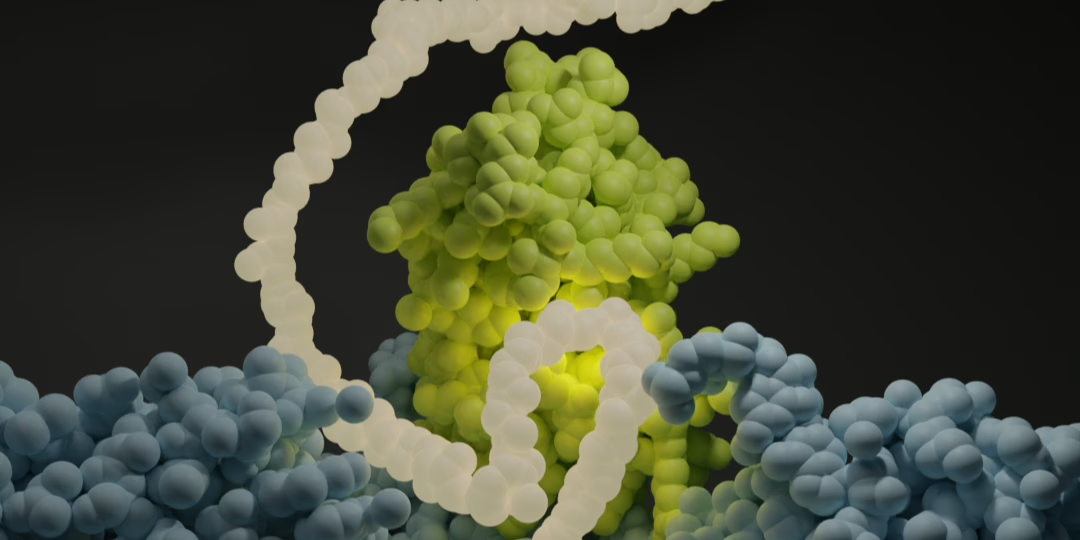
Scientists uncover the earliest steps of protein folding in human cells
Four research groups joined forces to reveal the very first moments of a protein’s life in human cells. They found that as soon as an amino acid chain exits from the ribosome, a protein called NAC binds and folds it into the correct structure. This finding fundamentally rewrites our textbook knowledge on how human cells suppress diseases caused by protein folding errors. The researchers published their findings in the journal Molecular Cell on March 23.
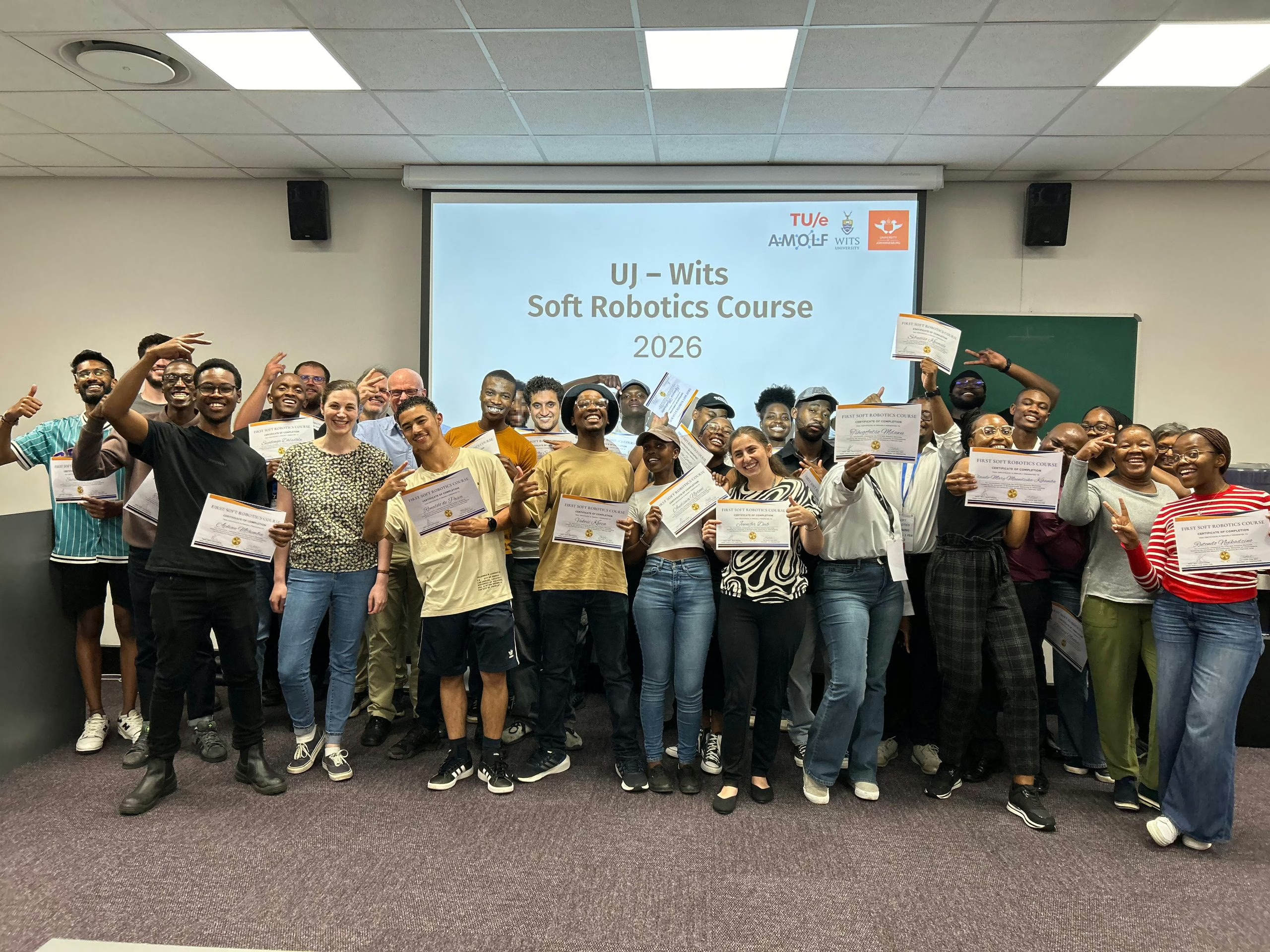
Soft robotics spreading its wings
A unique opportunity presented itself to researchers in AMOLF’s Soft Robotic Matter group. Two university engineering faculties and a research unit in South Africa asked them to organize a Soft Robotics summer school. From 26 January to 2 February, PhD student Katrien van Riet and her South African students progressed from an introduction to the topic to a final prototype presentation.
Microscopic metamaterials that can shrink and expand on their own
Physicists from AMOLF and Leiden University created the first micro-scale metamaterials that can take on specific shapes without external control. This breakthrough paves the way for smart, self-adapting materials. The research team presented the groundbreaking research into micro-scale metamaterials in Nature on February 25.
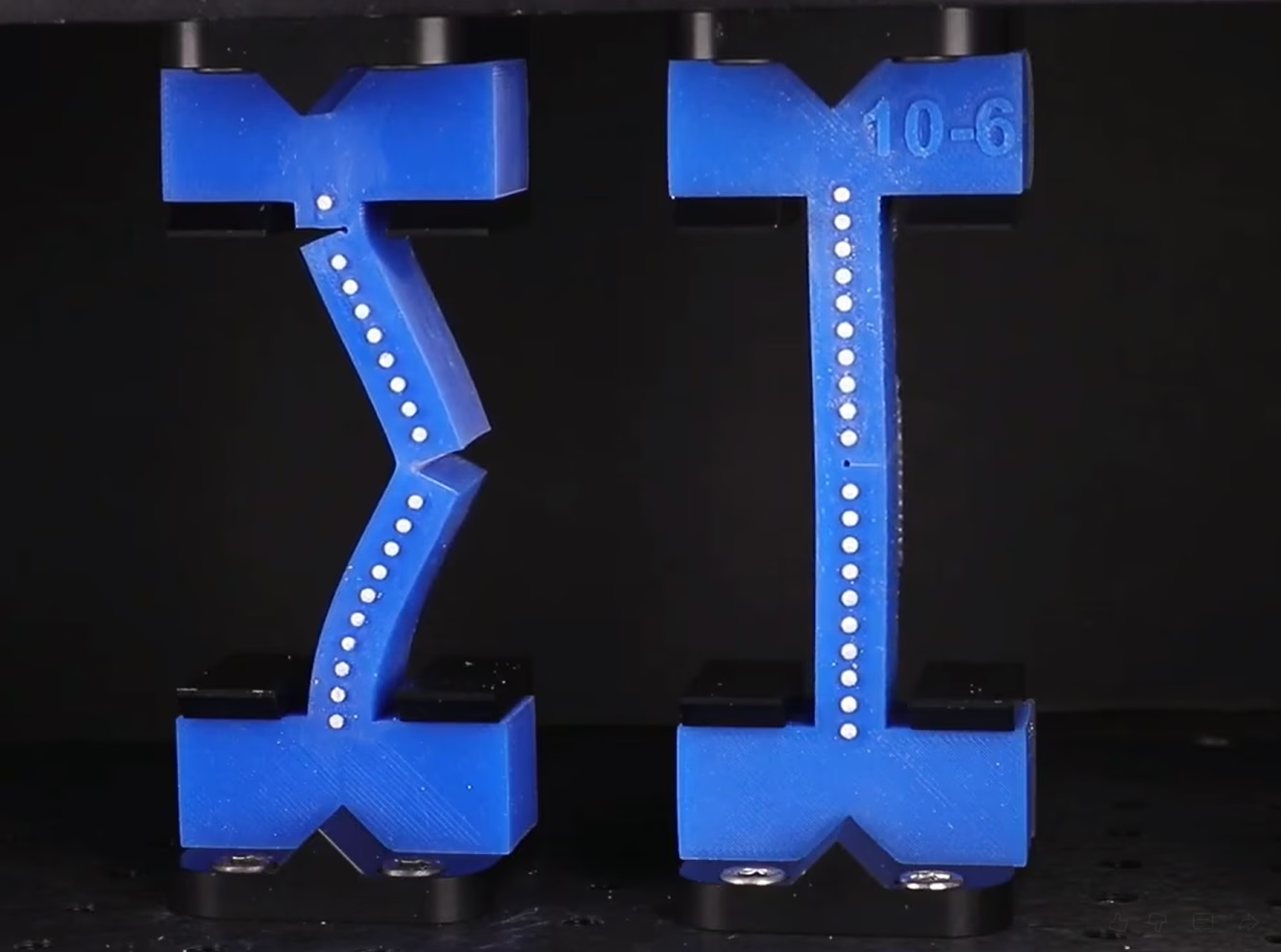
What happens when you cut a beam?
When a slender object, like a card, column or beam, is compressed, it buckles and curves in one of two directions – as described by the scientist Leonhard Euler in 1744. This behavior prompted researchers in the Mechanical Metamaterials group at AMOLF to ask themselves: can we change this? Together with collaborators from Leiden University, they show how partial cuts in beams can fundamentally alter their buckling (deformation) behavior. The researchers published their findings in the journal Science Advances on February 13, 2026.
How disordered materials age and what we can learn from that
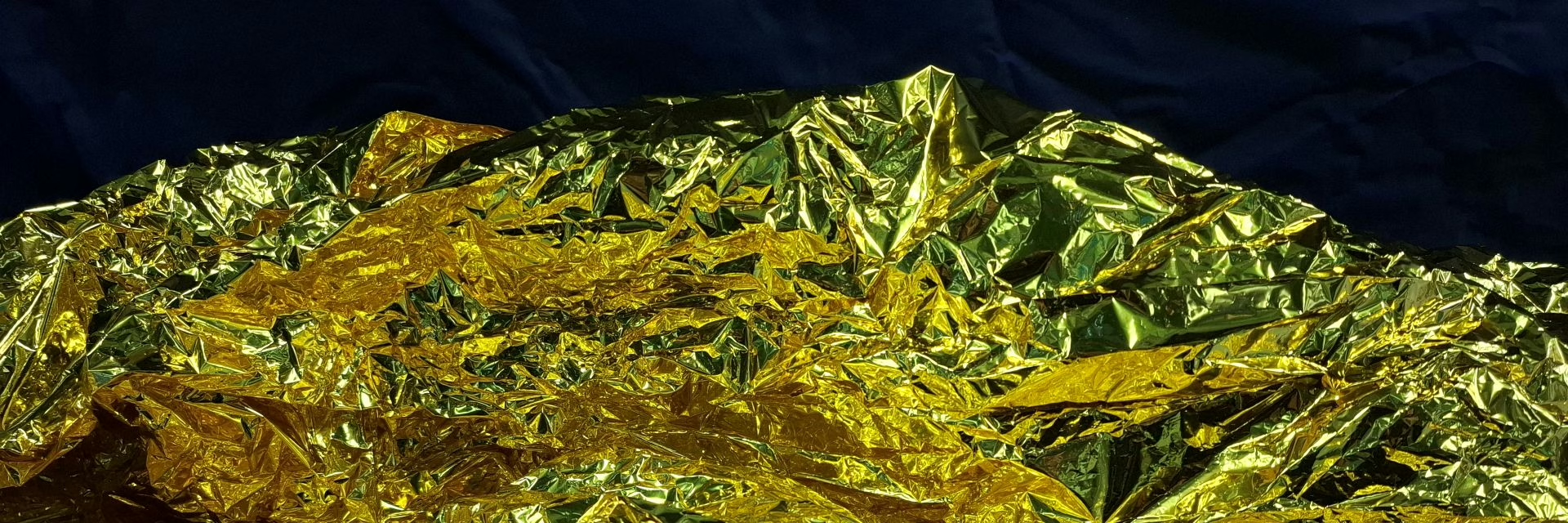
From the crinkle of a candy wrapper to the squish of a metal kitchen scrubber, disordered materials that lack a regular structure share a surprising secret. Despite their differences, they age in a similar way. This is important knowledge to enable production of more durable products, and it helps to explain why some models – like large AI models – sometimes get stuck. Together with international collaborators, researchers from the Mechanical Metamaterials group present their findings in the journal PNAS on February 18.
What is the exchange rate in plant–fungi nutrient trade?
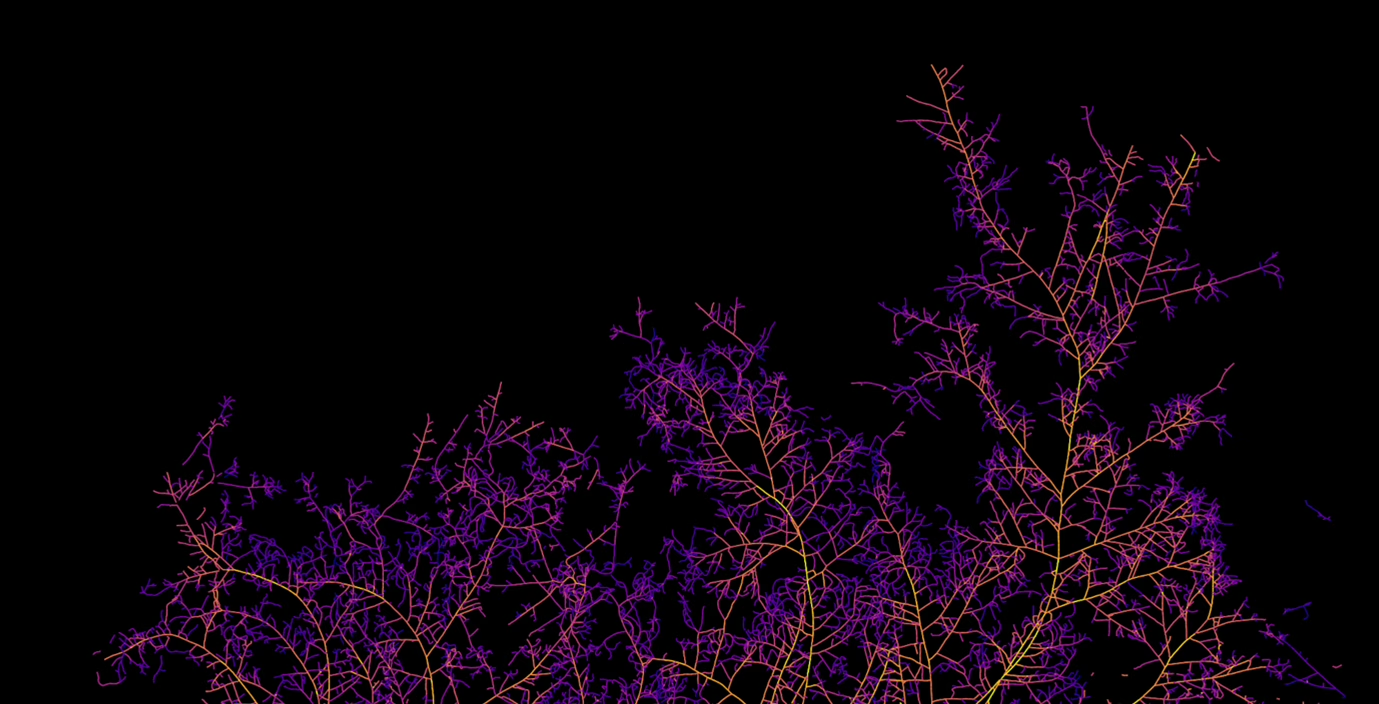
Most plants on earth rely on symbiotic nutrient exchange with fungal partners to boost their growth, but what are the exact terms of this trade? AMOLF researchers, together with collaborators from Vrije Universiteit Amsterdam and Ecole Normale Superieur de Lyon, discovered that the ‘exchange rate’ for carbon (from plants) and phosphorus (from fungi) remains remarkably constant over time, but depends on the type of plant involved in the exchange. The findings are published in the Proceedings of the National Academy of Sciences USA (PNAS) on February 6th.

Bacterial ‘brains’ on the brink of order and disorder
The sensory proteins that control the motion of bacteria constantly fluctuate. AMOLF researchers, together with international collaborators from ETH Zurich and University of Utah, found out that these proteins can jointly switch on and off at the same time. The researchers discovered that this protein network operates at the boundary between order and disorder. The findings are published in Nature Physics on January 29th.
New measurement technology to further sensing capabilities
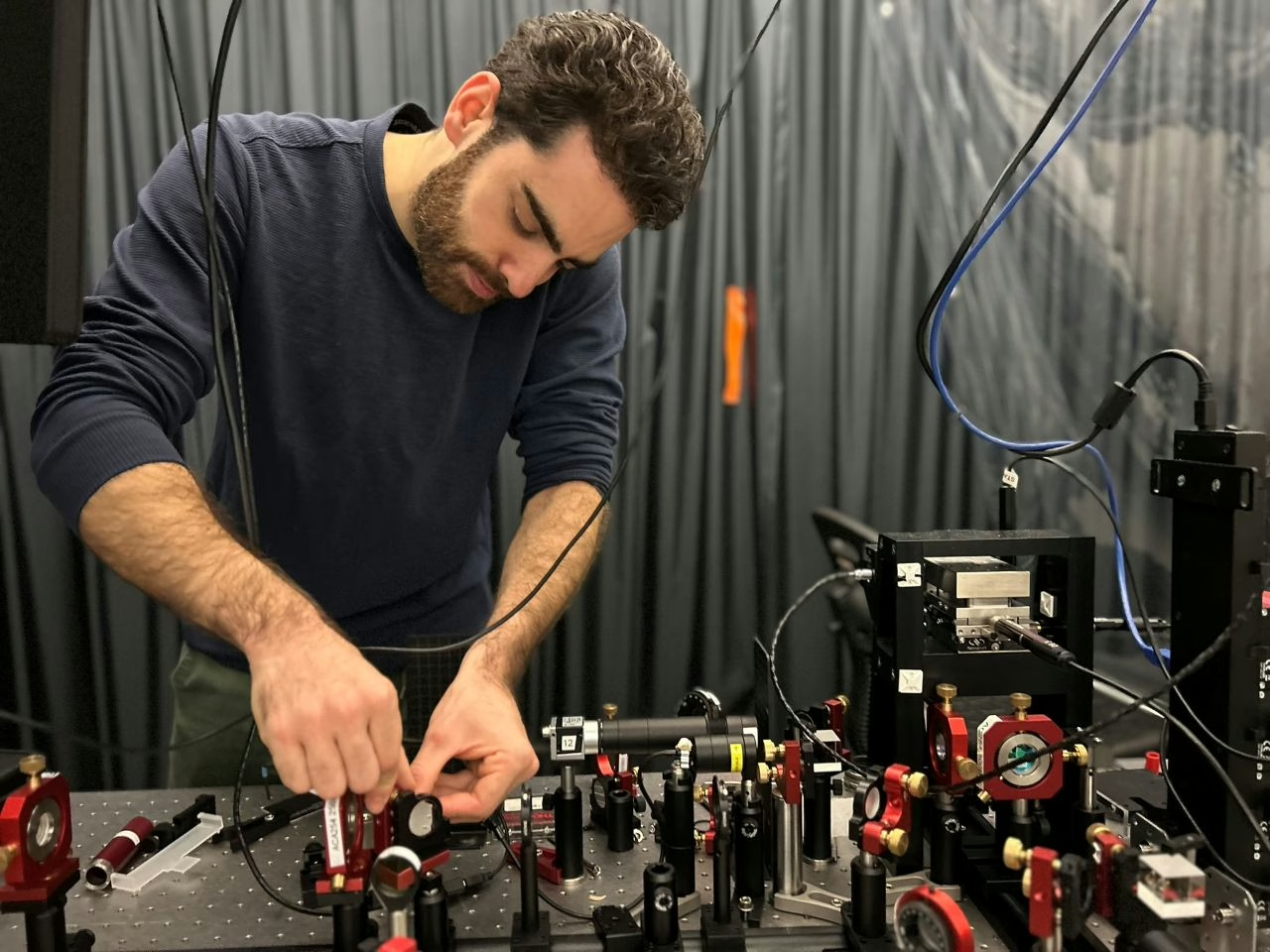
The research teams of Femius Koenderink and Lyuba Amitonova (ARCNL) investigated new optical detection strategies to efficiently measure perturbations at the nanometer scale. For their experiments they used metasurfaces, which are artificial surfaces configured with carefully shaped nanoparticles that interact with light. Inspiration for the project came from a collaboration of AMOLF, ARCNL and industry partner ASML, focused on finding new ways to monitor potential errors that might arise during computer chip fabrication. The researchers published their findings in the journal Nature Communications on December 10.