
News & updates
Latest developments from our institute
Stay informed about new research results, awards, events, and collaborations across our scientific community.
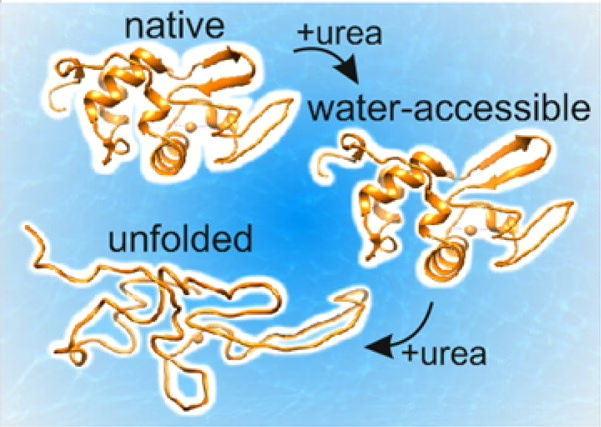
Proteins absorb water before unfolding
Proteins perform specific biological functions for which they strongly depend on their three-dimensional structure that results from the folding of the polypeptide chain. The mechanisms by which proteins fold and unfold are still not fully understood.

Vidi grants for Erik Garnett and Yves Rezus
AMOLF group leaders Erik Garnett and Yves Rezus have received an NWO Vidi grant. NWO has awarded 87 experienced researchers a Vidi grant worth 800,000 euros. The grant enables them to develop their own innovative line of research.

AMOLF group leaders publish review article in Science on challenges in photovoltaic energy conversion
Analyzing 16 record-efficiency solar cell materials, the paper presents opportunities to improve photovoltaic efficiency using nanoscale light management and to enhance carrier collection with innovative materials science and engineering strategies.
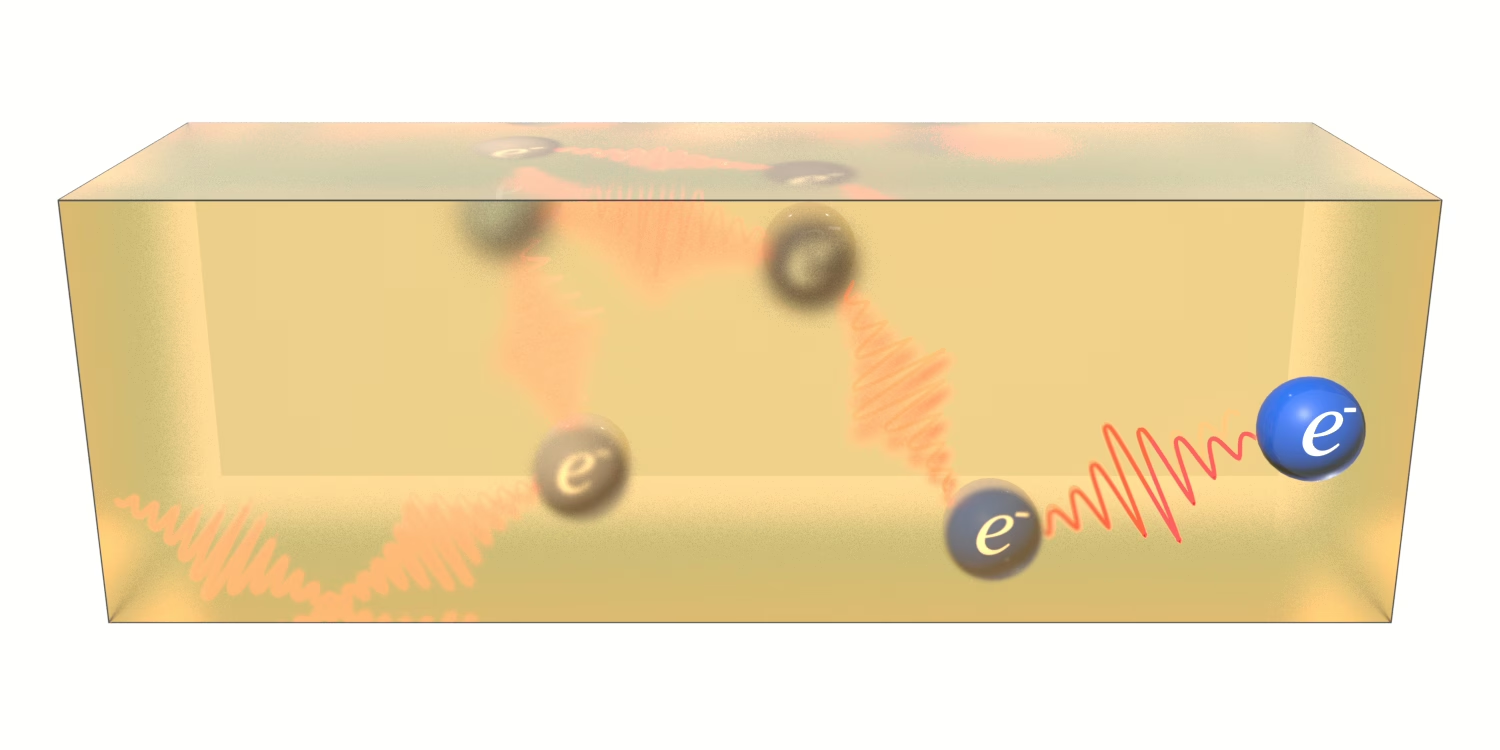
Solar cell material can recycle light to boost efficiency
Perovskite materials can recycle light particles – a finding which could lead to a new generation of affordable, high-performance solar cells.
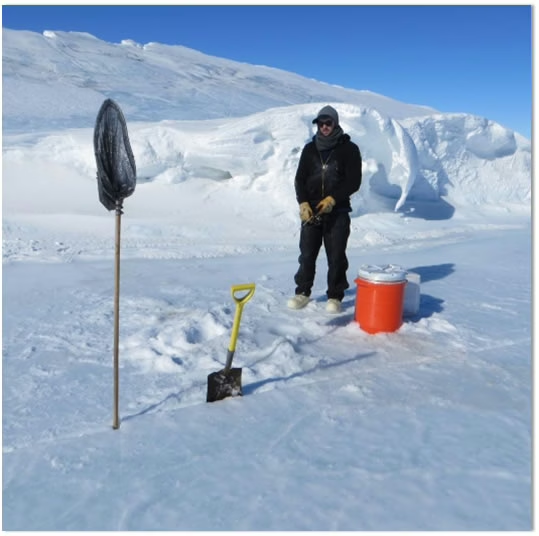
No clear winner when it comes to antifreeze protein efficiency
Ever since biologist Arthur DeVries discovered antifreeze proteins in Antarctic fish in the 1960’s, researchers have tried to unravel the mystery behind these remarkable proteins. Thanks to the proteins in their body fluids these fish, and other extremophiles, do not freeze in the cold environment in which they live. The antifreeze proteins, of which there are several varieties, attach to small ice crystals, thereby hindering their growth. So while ice may form in the blood, the crystals are so small that the blood is not deprived of its functions.

Bas Overvelde starts new group on Soft Robotic Matter
As of May 1st, Bas Overvelde will be appointed as AMOLF group leader.
ERC Advanced Research Grants for Huib Bakker and Albert Polman
AMOLF director Huib Bakker and program leader Albert Polman both received an Advanced Research Grant of 2.5 million euros from the European Research Council (ERC). The European Research Council uses the ERC Advanced grants to allow outstanding research leaders to pursue ground-breaking, high-risk projects in Europe.

The biological clock in dividing cells: a robust design
Researchers from FOM institute AMOLF and the University of Michigan have discovered how the biological clock of an organism remains stable, even when the cells of that organism grow and divide. Today in the Proceedings of the National Academy of Sciences (PNAS) USA they provide a mathematical model that explains the undisrupted functioning of the biological clock.